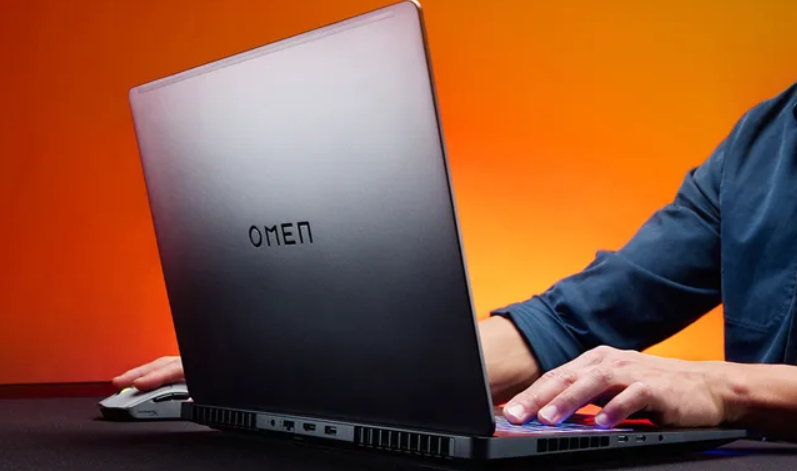
Gaming laptops are not getting any more affordable, and HP appears to have decided that trying to battle rising hardware prices directly may not be the smartest move. Instead of cutting costs, the company is experimenting with a different strategy that could change how players access high end machines. Rather than buying a gaming laptop outright, HP wants you to rent one through a subscription.
The service, which has reportedly been available for a few months and was first spotted by users on Reddit, including discussions, has gained fresh attention as market conditions shift. With memory prices climbing and supply chains still under pressure, gaming hardware is becoming even more expensive. In that environment, the idea of paying a monthly fee instead of dropping thousands in one go starts to look appealing.
HP is testing subscription style access to its OMEN gaming laptops through its official program. The concept is straightforward. Instead of making a massive upfront purchase, gamers pay a recurring monthly amount to use a powerful laptop. In return, HP takes care of servicing, maintenance, and potentially even hardware upgrades or replacements behind the scenes.
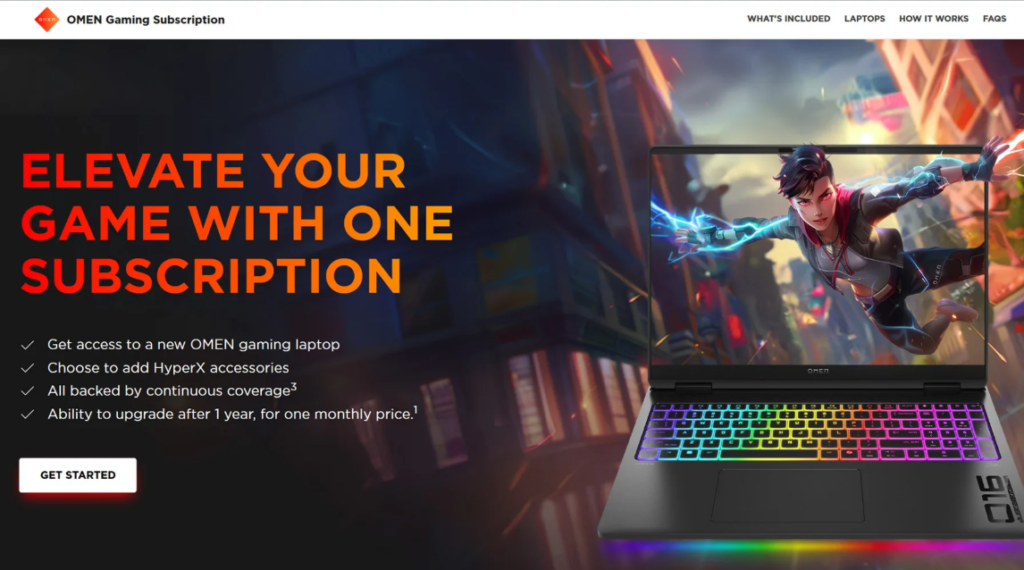
It is similar in spirit to how streaming services changed entertainment. Just as many people now pay for a Netflix plan instead of buying physical media, HP is applying that same subscription logic to gaming hardware. For players who hesitate at the price of a premium gaming rig, spreading the cost out over time can lower the barrier to entry.
In practical terms, that means a high performance GPU, a fast processor, and generous memory become accessible through smaller monthly payments. This could be especially attractive at a time when reports such as Digital Trends’ coverage on rising RAM and storage costs highlight how component shortages are driving up system prices across the industry.
There is also the advantage of staying current. Gaming hardware evolves quickly, and GPUs and CPUs do not take long to feel outdated. A subscription model could allow players to refresh their hardware more frequently without the hassle of selling old devices or investing in entirely new systems every few years. For esports players, content creators, and competitive gamers, access to up to date performance can make a real difference.
At the same time, this move fits neatly into a broader shift happening across technology. Ownership is gradually giving way to access. Movies and music moved to streaming. Software transitioned to subscription licenses. Gaming itself has embraced cloud services such as NVIDIA GeForce Now. In both cases, players stream games instead of installing or owning them locally.
HP’s rental approach pushes that idea one step further. You may not even own the device running the games you are streaming. For some players, that level of flexibility feels modern and practical. For others, it raises concerns.
Convenience is one side of the equation. The other side is permanence. When you rent your gaming laptop, you never truly own it. The moment you cancel your subscription, the hardware goes back. There is no resale value, no long term asset, and no opportunity to upgrade components on your own terms. PC gaming has long been associated with customization and control, and a rental model shifts that dynamic significantly.
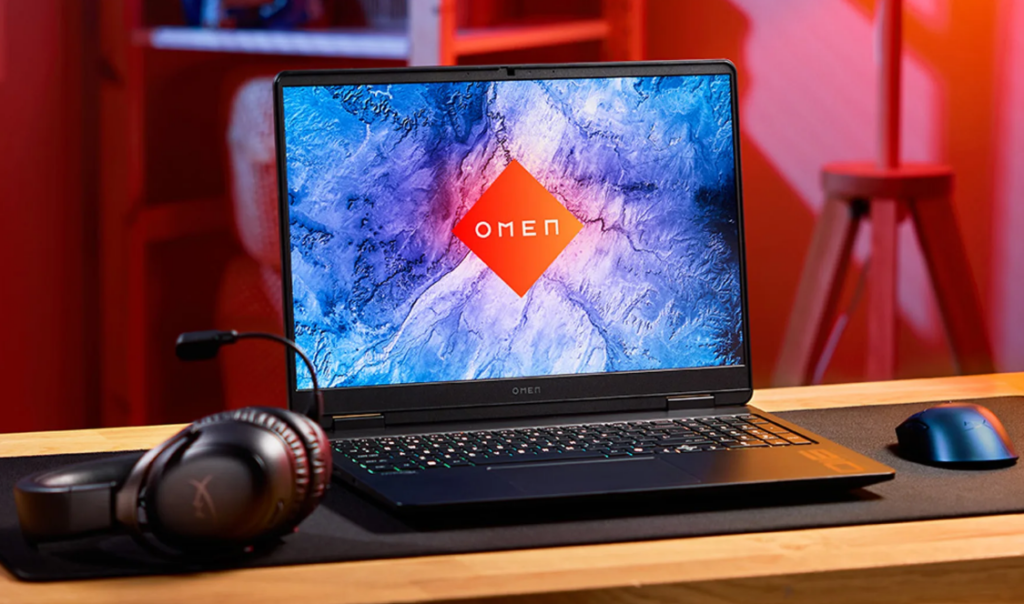
There is also the long term financial picture to consider. While a monthly payment can feel manageable, the total cost over several years might equal or even exceed the price of buying a laptop outright. Subscriptions often reduce the initial financial burden but extend spending across a longer period.
For budget conscious gamers facing today’s high prices, renting could make sense as a temporary solution. It offers access to powerful hardware without the immediate shock to the wallet. However, if this model becomes widespread, the industry could quietly move from buy and own to subscribe and borrow.
HP’s experiment arrives at a moment when hardware pricing pressures are very real, and companies are searching for creative ways to adapt. Whether gamers embrace the idea will likely depend on how much they value flexibility over ownership, and how comfortable they are with the growing subscription culture shaping modern technology.