Most Shopify brands do not start out thinking about subscriptions as a true growth channel. They usually begin with a more basic goal. They want recurring revenue, a smoother reorder flow, and a way to make repeat purchasing easier for customers who already like what they sell.
That works for a while. But as brands grow, the limits of that mindset start to show. A subscription program cannot thrive on billing logic alone. It also lives or dies based on retention, customer experience, flexibility, testing, timing, and the small decisions that shape whether a subscriber stays, skips, pauses, upgrades, or cancels.
That is where Gina Perrelli’s approach stands out.
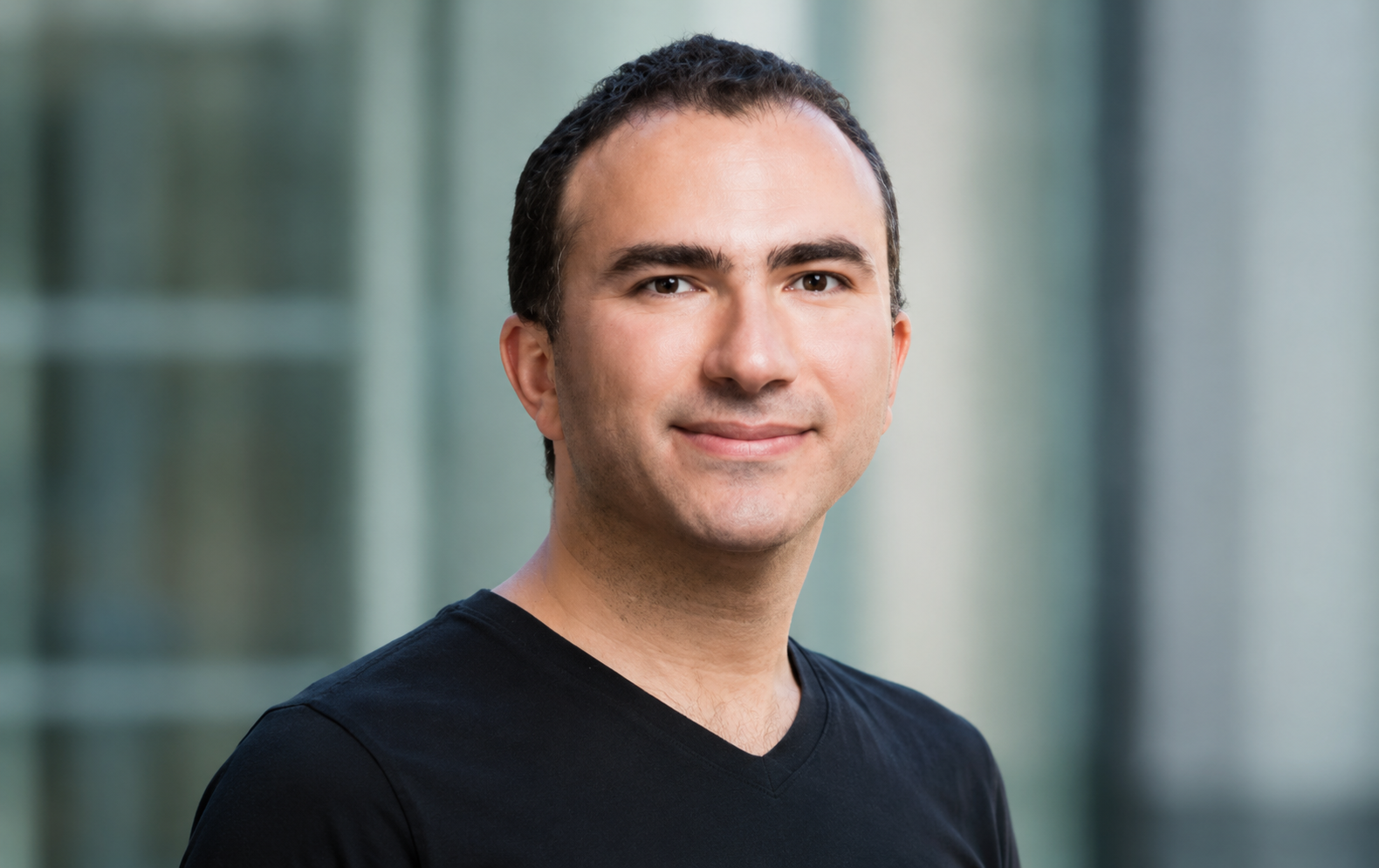
As the co-founder and CEO of Stay AI, Gina Perrelli is part of a broader shift happening inside e-commerce. Instead of treating subscriptions like a back-end tool for processing repeat orders, she is helping Shopify brands treat them more like a performance channel. In practical terms, that means subscriptions should be measured, improved, and optimized the same way brands already think about paid media, email marketing, landing pages, and conversion rate optimization.
It is a subtle shift in language, but a major shift in strategy.
Who Gina Perrelli Is and Why Her Perspective Matters
Gina Perrelli is not simply building another subscription app for Shopify merchants. Her work with Stay AI reflects a retention-first way of thinking about e-commerce growth.
That matters because many brands still make the mistake of viewing subscriptions as a static piece of checkout infrastructure. They install a tool, turn on recurring orders, and expect the model to take care of itself. In reality, subscription performance is shaped by customer psychology, offer design, onboarding quality, cancellation handling, subscriber communication, and ongoing experimentation.
That is why Gina’s perspective feels relevant beyond her own company. She is part of a group of e-commerce leaders pushing brands to stop seeing subscriptions as a passive revenue stream and start seeing them as an active, manageable channel with clear inputs and outcomes.
For Shopify merchants, that framing is especially useful. The platform has made it easier than ever to launch a subscription offer, but launching is not the same as scaling. The real challenge begins after the first order, when brands need to keep customers engaged long enough for lifetime value to grow.
Why Shopify Brands Have Outgrown Basic Subscription Billing
A few years ago, many subscription tools were judged mostly on whether they could handle recurring charges without breaking. That was a reasonable standard at the time. Merchants wanted reliability, basic schedule management, and some level of customer self-service.
Today, that is no longer enough.
Shopify brands have become more demanding because the economics of acquisition are tougher, customer expectations are higher, and retention plays a much bigger role in profitability than it used to. A brand can no longer rely on a simple subscribe-and-save offer and hope everything else works itself out.
Modern merchants want more control over the entire subscriber journey. They want to know why customers churn. They want better cancellation flows. They want the freedom to test offers and incentives. They want more flexible portals, better analytics, smoother migrations, stronger customer account experiences, and tools that help improve both retention and average order value.
That is the gap Stay AI is trying to fill.
The company’s positioning makes this clear. Rather than presenting subscriptions as a billing-first product, Stay AI leans into growth outcomes like reducing churn, increasing lifetime value, improving customer experience, and helping brands learn what actually keeps subscribers around.
What It Means to Treat Subscriptions Like a Performance Channel
The phrase performance channel can sound abstract at first, but the idea behind it is simple.
A performance channel is something a brand actively measures and improves. It is tied to outcomes. It has levers. It has benchmarks. It has experiments. It has clear indicators of what is working and what is underperforming.
Brands already think this way about paid social. They watch cost per acquisition, click-through rate, and return on ad spend. They think this way about email and SMS too. They test subject lines, timing, segmentation, and offer types.
Gina Perrelli’s broader point is that subscriptions deserve the same treatment.
That means asking smarter questions. Which offers convert best for first-time subscribers. Which cancellation reasons appear most often. What happens when a customer is given the option to pause instead of cancel. Which subscriber segments are most likely to churn early. How onboarding affects the second and third order. Whether a free gift outperforms a discount. Whether customer flexibility improves retention more than short-term promotional pressure.
Once brands start asking those questions, subscriptions stop looking like a billing function and start looking like a growth system.
How Stay AI Was Built Around Retention Rather Than Just Recurring Payments
One reason Stay AI has gained attention in the Shopify ecosystem is that its product philosophy reflects that performance mindset.
The company talks openly about solving problems that sit beyond recurring billing. That includes churn prevention, customer lifecycle management, revenue retention, subscriber acquisition, customer experience, add-ons, cross-sells, and the ability to move from guesswork to clearer decision-making.
Even the origin story behind Stay AI points in that direction. The company describes its early idea as a subscription platform where brands could A/B test free gifts, use cross-sells to boost average order value, and rely on tools that were simple enough for marketers to use without heavy developer involvement.
That is a very different starting point from building a tool that simply automates charges.
It also helps explain why Stay AI appeals to brands that have already moved beyond the basics. Once a merchant understands that long-term subscription growth depends on retention intelligence, testing, and a better subscriber experience, the value of a more advanced system becomes much easier to understand.
Why Retention Starts Earlier Than Most Brands Realize
One of the most useful ideas behind this whole conversation is that retention does not begin at the cancellation page. It begins much earlier.
It begins with the first promise a brand makes to a shopper.
It begins with how clearly a subscription offer is framed on the product page. It begins with whether the pricing feels fair, whether the cadence makes sense, whether the value is obvious, and whether the subscriber understands what they are signing up for.
Then it continues through the first post-purchase experience. Are expectations clear. Is the onboarding thoughtful. Does the customer know how to manage the subscription. Are they receiving the right product at the right interval. Are there enough choices if their needs change.
Brands sometimes treat churn as a late-stage problem when it is often the result of earlier friction. A customer who cancels after the second order may not be reacting to a single bad moment. They may be responding to a chain of smaller issues that began on day one.
This is why Gina Perrelli’s framing matters. When subscription leaders think like growth operators, they stop limiting retention to save offers and winback emails. They start thinking about the entire lifecycle.
The Role of Cancellation Flows in Subscription Growth
Cancellation is one of the clearest places where the old and new ways of thinking about subscriptions split apart.
In a basic system, cancellation is just a function. The customer clicks a button, leaves, and disappears from the recurring revenue line.
In a more performance-driven system, cancellation becomes a moment of insight and intervention.
A brand can learn why people are leaving. It can identify patterns. It can offer alternatives like pausing, skipping, changing delivery cadence, or switching products. It can test whether a discount, a free gift, or a different shipment timeline actually changes the outcome.
This is one of the strongest areas in Stay AI’s positioning. The company emphasizes dynamic cancel flows, churn reduction, and personalized save experiences that respond to customer objections rather than treating every cancellation the same way.
That matters because not every customer wants to leave forever. Some are overstocked. Some feel the product is arriving too often. Some want a smaller commitment. Some simply need more flexibility.
When brands understand those differences, they stop treating cancellation like a dead end. They start treating it like a decision point they can improve.
How Testing and Experimentation Change the Subscription Model
The idea of experimentation is another reason Gina Perrelli’s approach feels more modern than the older model of subscription software.
If subscriptions are truly a performance channel, then testing should be built into the strategy.
That could mean testing welcome offers for new subscribers. It could mean trying different incentives at cancellation. It could mean changing cadence options, product bundles, add-ons, messaging, or portal experiences. It could mean learning whether different segments respond better to flexibility, discounts, surprise gifts, or loyalty-style rewards.
This is where many e-commerce brands leave money on the table. They assume their subscription setup is fixed once it goes live. In reality, subscription programs often improve through small, repeated refinements.
Stay AI leans into this logic by highlighting experimentation and optimization in its positioning and case studies. That makes sense because brands rarely find the best-performing setup on the first try. Stronger programs are usually built through ongoing iteration.
For operators, this way of thinking is powerful because it makes subscription growth more practical. Instead of hoping retention improves, they can run tests, read outcomes, and make better decisions over time.
Why Subscriber Experience Matters as Much as Revenue Metrics
There is a temptation in e-commerce to reduce subscriptions to numbers alone. Churn rate, lifetime value, average order value, save rate, renewal rate. Those metrics matter, but they do not tell the full story on their own.
Subscriber experience matters just as much.
If the portal is clunky, customers get frustrated. If there is no easy way to pause or swap products, customers leave. If communication is unclear, trust drops. If subscription management feels harder than it should, even a good product can lose customers faster than expected.
That is why the best subscription platforms now spend so much time on customer experience. A smoother portal, better account management, clearer options, and more personalized interactions are not cosmetic improvements. They directly shape retention.
Stay AI’s messaging reflects that reality. It talks about delighting customers, improving the portal experience, making account actions easier, and creating more personalized subscriber journeys.
For Shopify brands, that is a useful reminder. Better subscriber experience is not separate from performance. In many cases, it is the reason performance improves.
How Data and AI Support Better Retention Decisions
The AI conversation in e-commerce gets overused very quickly, but in the context of subscription retention, it can be genuinely useful.
Brands need help spotting patterns before churn becomes obvious. They need clearer signals around customer behavior, subscription risk, and the kinds of actions most likely to preserve revenue.
That is where data and predictive tools can make a real difference.
Stay AI positions itself around that idea by emphasizing predictive churn scoring, automated retention logic, and analytics that help merchants move from assumptions to clearer customer insight. In plain terms, the promise is that brands should not have to wait until someone cancels to understand that something is going wrong.
If a system can identify at-risk segments earlier, the brand has time to act. It can send a smarter offer, adjust messaging, improve onboarding, or intervene before the customer makes the decision to leave.
Used well, that kind of intelligence makes subscriptions more manageable. It turns retention from a reactive process into a more proactive one.
What the Brand Results Tell Us
One reason the performance-channel framing is convincing is that it fits the kinds of results Stay AI highlights through merchant case studies.
On its site, the company points to examples such as Obvi improving conversion through a free-gift A/B test, Vita Coco supporting yearly growth in first-time subscription revenue with custom cadence plans, Curie increasing subscribers in a short time frame, and OLIPOP growing subscription revenue.
The exact brands will matter differently to different readers, but the pattern is the real takeaway.
These are not just stories about billing stability. They are stories about conversion, testing, revenue growth, subscriber growth, and retention improvements. In other words, they support the larger argument that subscription programs can be optimized like other performance channels.
That is the bigger shift Gina Perrelli is helping to push forward.
What Gina Perrelli’s Approach Means for the Future of Subscription Commerce
The subscription space is becoming more strategic.
For years, many brands treated recurring revenue as the end goal. Now the stronger brands are asking harder questions. How do we reduce churn without training customers to expect constant discounts. How do we create more flexible subscriber journeys. How do we make the experience better inside customer accounts. How do we improve first-order conversion without hurting long-term value. How do we make retention feel built into the system rather than patched on later.
That is why Gina Perrelli’s work with Stay AI feels timely.
She is operating in a part of e-commerce that is moving beyond simple subscription infrastructure and toward something more performance-minded. That means more testing, more intelligence, more lifecycle thinking, and more attention to the full experience of being a subscriber.
For Shopify brands, that shift matters. The brands that win with subscriptions in the next phase of e-commerce will probably not be the ones with the most basic recurring billing setup. They will be the ones that treat subscriptions as a living channel they can actively improve.
And that is exactly the lens Gina Perrelli is helping bring into focus.