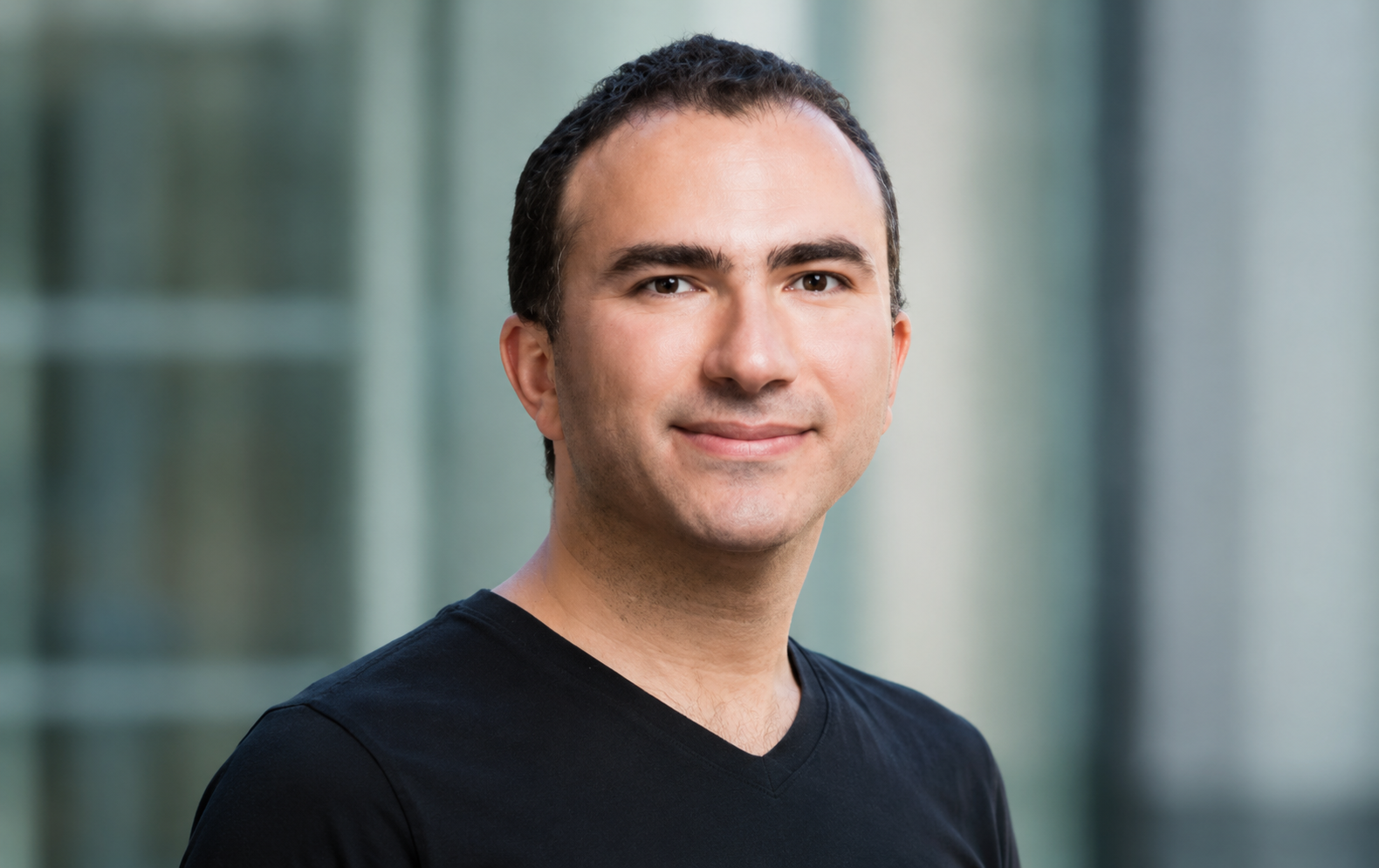
Allison McNamara did not build MARA by trying to outspend bigger beauty brands. She built it by staying focused, knowing exactly what kind of skincare line she wanted to create, and growing the business at a pace the brand could actually support.
That matters because beauty is full of brands that launch with a lot of noise and then struggle to keep up once the early buzz fades. MARA took a different path. Instead of chasing every trend or flooding the market with dozens of products, Allison McNamara built a brand around a clear point of view. The formulas were centered on algae-infused skincare. The product line stayed tight. The branding felt distinct from the start. And the business itself was shaped by a more disciplined idea of growth.
That approach helped MARA carve out a real place in a crowded skincare market. It also helped Allison McNamara build something many founders talk about but far fewer actually achieve: a profitable bootstrapped beauty brand.
Allison McNamara’s path before MARA
Before she became known as the founder of MARA, Allison McNamara spent years working in fashion, beauty, and media. She built a career as a host, journalist, and content creator, which gave her something a lot of founders spend years trying to develop later: a sharp understanding of how beauty brands communicate and how consumers respond.
That background mattered more than it may seem at first glance. When you spend years covering products, trends, launches, and personalities in the beauty space, you start to notice what sticks and what does not. You see which brands feel memorable, which ones sound interchangeable, and which products create genuine loyalty instead of one-time curiosity.
For Allison McNamara, that experience became a real advantage. She was not stepping into beauty as someone trying to learn the industry from scratch. She already understood the power of product storytelling, the importance of visual identity, and the difference between a brand that looks attractive online and one that actually earns repeat customers.
That blend of editorial instinct and beauty knowledge helped shape MARA from the beginning.
Where the idea for MARA came from
MARA did not begin as a generic clean skincare concept with a polished label attached to it. The brand had a more personal starting point.
The name itself connects to both the Sea of Marmara and Allison McNamara’s own name, while also tying into the word “mara,” which means sea in Gaelic. That ocean connection became more than a branding detail. It gave the company a central creative idea and helped define what made the line feel different.
From the start, MARA was built around the idea of marine-powered skincare, especially the use of algae and sea-based ingredients. In a category where many brands struggle to sound distinct, that gave MARA a clear lane. It felt clean, modern, elevated, and visually cohesive, but it also gave the formulas a recognizable identity that customers could remember.
That clarity made a difference. A lot of skincare brands launch with vague promises about glow, hydration, or clean ingredients. MARA entered the market with a more specific story and a more recognizable world around the products.
Why MARA launched with one product instead of a full line
One of the smartest things Allison McNamara did was resist the pressure to launch big.
Instead of trying to introduce a full collection all at once, MARA started with a single hero product: Universal Face Oil. That decision sounds simple, but it says a lot about how the brand was built.
For a bootstrapped founder, focus is often more valuable than scale. Launching with one standout product meant fewer moving parts, tighter inventory planning, and a better chance of getting the formula, messaging, and customer experience right. It also gave the brand something every young skincare company needs: a product people could immediately associate with the name.
Universal Face Oil helped establish MARA’s identity early. It reflected the brand’s marine-inspired positioning, introduced consumers to the algae story, and made the line feel luxurious without becoming complicated.
That early discipline helped MARA avoid a mistake many startups make. Too many brands try to look bigger than they really are by launching too many products too soon. The result is often a scattered assortment, weaker messaging, and wasted cash. MARA took the opposite route and made simplicity part of its strength.
How Allison McNamara built MARA as a bootstrapped beauty business
Bootstrapping sounds appealing when people say it out loud, but in practice it usually means constant trade-offs.
It means choosing where money goes and where it does not. It means being selective about hiring. It means paying close attention to inventory, margins, packaging, marketing, and timing. It also means learning how to grow without depending on outside capital to cover every mistake.
That is part of what makes Allison McNamara’s story interesting. MARA did not build its reputation around fundraising headlines. It built its business by staying lean and making careful decisions.
That kind of approach often creates a stronger operating mindset. Founders who bootstrap usually have to think harder about cash flow, product performance, and long-term sustainability. They cannot rely on endless rounds of capital to keep momentum alive. The business has to make sense.
For MARA, that seems to have translated into measured growth. Instead of trying to dominate every retail channel at once or chase the broadest possible assortment, the brand grew with more control. That control likely played a major role in preserving quality, protecting the identity of the line, and keeping the business grounded while it scaled.
The strategy that helped MARA become profitable
Profitability is one of the clearest signs that a founder is not just building attention, but building a business.
That is a big reason this story stands out. MARA has been reported as profitable since 2019, which is especially notable in a beauty market where many emerging brands spend years prioritizing awareness over financial discipline.
There is a real difference between fast growth and healthy growth. Allison McNamara appears to have understood that early. Rather than treating profitability as something to figure out later, she built the brand in a way that kept the economics in view.
That probably required restraint. It likely meant being selective with expansion, careful with inventory, and intentional about which opportunities were worth pursuing. It also meant building products people actually came back for.
In skincare, repeat purchasing can say more than launch buzz ever will. A brand can get a spike of attention from press, influencers, or a hot retailer, but long-term strength usually comes from products that earn a place in people’s routines. MARA’s ability to keep growing while staying profitable suggests the business found that balance.
How MARA carved out a distinct place in skincare
One reason MARA has stayed visible is that the brand does not feel generic.
The skincare market is crowded with overlapping claims. Every brand wants to talk about glow, radiance, hydration, clean formulas, and better skin. What helps MARA stand apart is how clearly the company ties its identity to marine ingredients, especially algae, and how consistently it carries that idea through the formulas, branding, and packaging.
That consistency matters. Consumers do not just buy ingredients. They buy trust, clarity, and recognition. When a brand makes it easy to understand what it stands for, it becomes easier to remember and easier to shop.
MARA also benefited from leaning into a more simplified version of skincare. The brand’s positioning has centered around high-performance formulas in fewer steps, which lines up well with how many consumers now want to approach their routines. Instead of adding complexity for the sake of it, MARA built appeal around efficiency, texture, results, and a more edited product wardrobe.
That made the line feel both aspirational and usable, which is not always easy to pull off in prestige beauty.
The retail moves that helped MARA grow
Retail expansion can help a beauty brand reach a much bigger audience, but it can also expose weak operations very quickly.
That is why timing matters so much. A retailer can create visibility, but it also brings pressure. Brands need enough demand, enough supply, and enough internal structure to support what comes next.
MARA appears to have approached retail in a smart way. Instead of trying to go everywhere at once, the brand built credibility through selective distribution and then expanded into bigger opportunities. Over time, that included names that helped reinforce the company’s prestige positioning and broader relevance.
This kind of retail path often works better for independent beauty brands than rushing into mass exposure too early. It allows the brand to build reputation, collect customer feedback, and strengthen operational readiness before taking on a larger stage.
For a bootstrapped company, that matters even more. Wholesale growth can be powerful, but it can also be expensive and operationally demanding. Managing that well is part of the reason MARA’s growth story feels meaningful rather than purely cosmetic.
What the Sephora launch changed for MARA
Getting into Sephora is a major milestone for almost any beauty founder, but it carries a different level of weight when the brand is self-funded.
MARA’s expansion into Sephora marked more than just a retail win. It signaled that the brand had reached a level of maturity where its products, positioning, and performance could compete in one of the most watched prestige beauty environments.
That kind of move can change how a brand is perceived. It raises visibility. It introduces the line to a broader customer base. It can also validate years of disciplined brand-building.
At the same time, it raises the stakes. Sephora does not just reward good branding. It rewards sell-through, consistency, product appeal, and readiness. A founder has to think about assortment, replenishment, merchandising, education, and customer retention.
For Allison McNamara, reaching that level while keeping MARA bootstrapped says a lot about the way the business was run. It suggests she did not just build a brand that looked premium. She built one that could operate at a higher level without losing its identity.
How product buzz and organic attention fueled momentum
A strong beauty brand usually has at least one product that helps people discover it. For MARA, that role started with Universal Face Oil and continued as the assortment expanded.
Hero products matter because they give customers an entry point. They make the brand easier to talk about. They also help create the kind of word-of-mouth that paid marketing alone cannot fully manufacture.
MARA benefited from that kind of momentum. As the brand grew, product buzz, influencer attention, and broader organic visibility helped introduce more people to the line. That kind of awareness works best when it is attached to something tangible. People do not keep recommending a product just because the packaging looks good. They recommend it because it feels good to use, looks good on the shelf, and performs well enough to justify the price.
That combination seems to have worked in MARA’s favor. Instead of relying only on a founder narrative, the brand built products that supported the story.
What founders can learn from Allison McNamara and MARA
There are plenty of founder stories that sound exciting but offer very little practical value. Allison McNamara’s work with MARA is more useful because the lessons are clear.
The first is that focus matters. Launching with one strong product can do more for a brand than launching with ten average ones.
The second is that a brand needs a real identity, not just good packaging. MARA’s algae-infused, marine-centered positioning gave people a reason to remember it.
The third is that profitability does not have to be the enemy of growth. In fact, it can make growth healthier. A business that learns how to support itself usually makes better decisions than one that is constantly trying to buy time.
The fourth is that retail success works best when it comes after the brand has earned it operationally. Expansion looks glamorous from the outside, but it only helps when the business is ready.
And finally, founder-led brands do not need to follow the loudest path in the market. Allison McNamara built MARA by staying clear on what the brand was, what it was not, and how fast it could responsibly grow. In beauty, that kind of discipline is often what turns a promising launch into a lasting company.