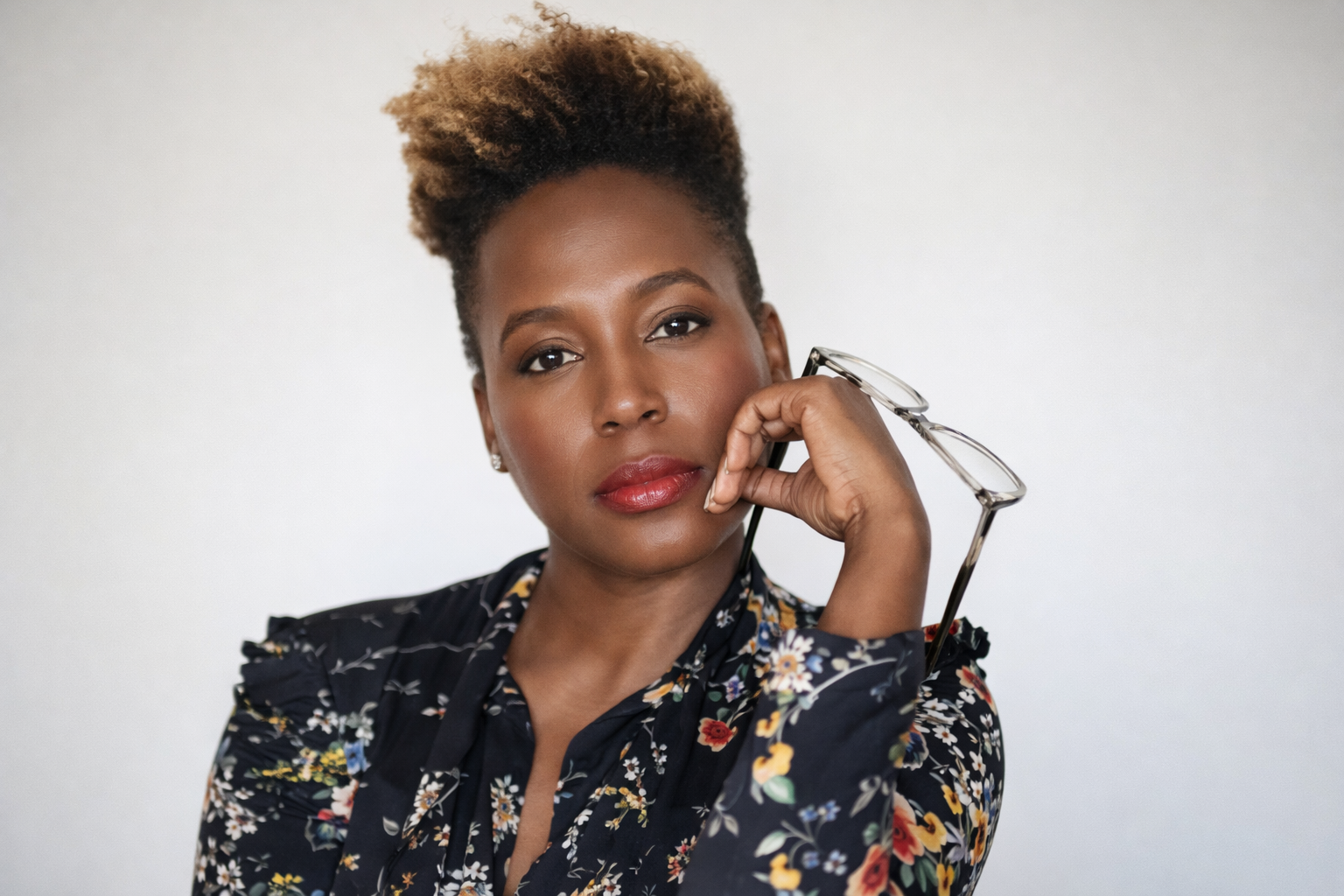
Karen Young did not build Oui the People by trying to sound louder than everyone else in beauty. She built it by noticing what many brands were still getting wrong. For years, body care and shaving products were sold with tired promises, narrow standards, and messaging that often made people feel like they needed fixing. Young saw room for something better.
What started as a lean business with a tightly focused product idea grew into a brand that felt modern, thoughtful, and genuinely different. Over time, Oui the People moved beyond razors, expanded into body care, sharpened its identity, and reached a point where it was ready for a major retail stage like Sephora.
That growth did not happen by accident. It came from a clear brand point of view, careful expansion, and a founder who understood that product quality alone was not enough. In beauty, people remember how a brand makes them feel. Karen Young understood that early, and it became one of the biggest reasons Oui the People stood out.
Karen Young’s Early Vision for Oui the People
Before Oui the People became a recognized name in modern body care, Karen Young already had a strong sense of what was missing in the market. Her perspective was shaped by personal experience, family rituals, and the way beauty products were often positioned around insecurity rather than care.
Young has spoken about the influence of her Guyanese background and the way body care could feel intentional, sensory, and rooted in everyday ritual. That matters because Oui the People was never just about shaving. Even in the early days, the brand had a wider emotional and cultural point of view. It was about feeling comfortable in your own skin, not chasing some impossible beauty standard.
That may sound simple, but it gave the business a real edge. Many beauty startups enter the market with attractive packaging and a vague promise of clean formulas. Karen Young came in with something more useful. She had a lens. She knew what she wanted the customer experience to feel like, and that clarity helped shape everything from brand positioning to product design.
Starting Small With a Clear Product Idea
One of the most important parts of the Karen Young story is that she did not begin with a massive launch. She started small. Reports on the brand’s early journey note that she launched with a modest amount of capital, which forced discipline from the beginning.
That kind of start can be a disadvantage if a founder lacks focus. In Young’s case, it became a strength. Rather than trying to build a huge beauty brand all at once, she began with a product that solved a real problem and gave the company a clear way into the market.
Why the razor became the first hero product
The original entry point was shaving, but not in the generic, disposable way the category often feels. The brand’s razor was designed to improve the experience itself, especially for people dealing with irritation, ingrown hairs, razor burn, and a general sense that most products in the space were made without much care.
That early decision mattered for two reasons. First, it gave Oui the People a hero product with a clear use case. Second, it allowed the company to enter the conversation through something practical. This was not beauty for beauty’s sake. It was a product tied to a daily or weekly ritual, and that made the brand easier for customers to understand.
What starting with a small budget really changed
When a founder starts lean, every decision has to work harder. You do not get to hide weak messaging behind a giant advertising budget. You do not get to launch ten average products and hope one lands. You have to be sharper than that.
For Karen Young, that meant building around clarity. The product had to feel premium. The message had to feel distinct. The packaging had to communicate something the customer could sense right away. In many ways, those early constraints helped Oui the People become a more focused and memorable brand.
Building a Brand That Felt Different From Traditional Beauty
A lot of beauty marketing still relies on correction language. It tells people to smooth, fix, perfect, erase, or fight parts of themselves. Oui the People stood out because it moved in the opposite direction.
From early on, Karen Young pushed for a tone that felt more open, more human, and less judgmental. That shift may seem subtle on the surface, but it changed how customers related to the brand. Instead of talking down to people, Oui the People invited them in.
This is where the company’s identity became more than a product story. It became a brand voice story. Customers were not just buying into a razor or a body gloss. They were buying into a feeling. The brand suggested that self-care, skin confidence, and inclusive beauty did not need to come wrapped in shame.
Rejecting outdated beauty language
That rejection of traditional messaging helped Oui the People look fresh in a crowded market. It also gave the company more emotional credibility. People could feel that the language was intentional.
In practical terms, this helped the brand build loyalty. In emotional terms, it made the company feel current. Consumers were already moving toward brands that spoke with more honesty and more warmth. Karen Young understood that shift and built into it instead of resisting it.
Making inclusivity part of the experience
Inclusivity is one of those words that gets thrown around so often it can lose meaning. In the case of Oui the People, it was not just a slogan. It showed up in the tone, the aesthetic, and the decision to widen the brand beyond a narrow shaving identity.
That mattered because customers were already using the products in ways that crossed older beauty categories. The brand’s appeal was broader than the original label suggested, and Young paid attention to that.
From Oui Shave to Oui the People
The rebrand from Oui Shave to Oui the People was one of the smartest moves in the company’s growth story.
At a certain point, the original name no longer captured what the business was becoming. Karen Young was not building a shaving company in the narrow sense. She was building a broader body care brand with a more welcoming and more flexible identity.
Why the rebrand made sense
Good rebrands usually happen when the business outgrows its first frame. That is exactly what happened here. The original name tied the company too tightly to one category, while the customer response was already pointing toward something bigger.
By shifting to Oui the People, the brand opened up space for category expansion, stronger storytelling, and a more inclusive feel. It also matched the company’s deeper message much better. The new name sounded like a point of view, not just a product description.
What changed after the rebrand
The rebrand was not only about the name. It was about the full brand evolution. Messaging became broader. The identity made more room for community and personal care. The business could now grow beyond razors without feeling like it was stretching away from its roots.
That kind of clarity matters in retail, in content, and in customer retention. When people understand what a brand stands for, they are more likely to remember it and trust its next move.
Expanding Beyond Razors Into Body Care
Once Oui the People had established credibility through shaving, the next challenge was expansion. This is where many startups go wrong. They either stay too narrow for too long, or they expand too quickly and dilute the brand.
Karen Young took a more careful route. The company moved into body care in a way that still felt connected to the original mission. Rather than jumping into random categories, the brand extended into products that made sense alongside shaving and skin ritual.
From shaving to treatment and hydration
This shift helped Oui the People become more than a single-product business. Over time, the line came to include products like Featherweight Hydrating Body Gloss, along with other skin-focused offerings that supported hydration, glow, and texture care.
That expansion worked because it still felt consistent with the brand’s original promise. The focus remained on how skin feels, how routines feel, and how products fit into real life. It was still about care, not correction.
Why focused expansion helped the brand grow
A strong founder does not add products just to make the catalog look bigger. A strong founder adds products that make the brand more useful.
That is part of what made Karen Young’s growth strategy effective. Each move made the company feel more complete without making it feel scattered. The result was a stronger product-market fit, better customer connection, and a clearer path toward long-term retail growth.
How Customer Insight Helped Shape the Brand
One of the most underrated parts of building a modern consumer brand is listening well. Not listening in a performative way. Actually listening.
The growth of Oui the People reflects that kind of attention. Customers were not just buying formulas. They were responding to the identity, the language, the rituals, and the sense that the brand understood them.
Learning directly from customers
When founders pay attention to customer emails, direct messages, reviews, and conversations, they get something more valuable than surface feedback. They start to understand why people care.
That kind of insight can shape everything. It can sharpen messaging, improve packaging, influence product development, and reveal where the brand has room to grow.
Turning feedback into better decisions
The rebrand itself is a good example of this. The brand identity grew stronger because it reflected what the customer base was already showing. Instead of forcing the market to fit an outdated label, Karen Young allowed the business to evolve in a way that matched the community forming around it.
That ability to listen and respond is often what separates a stylish startup from a durable one.
What Made Oui the People Sephora Ready
Reaching Sephora is not just about getting shelf space. It signals that a brand has reached a different level of maturity. The identity has to be clear. The product experience has to hold up. The packaging has to feel polished. The category fit has to make sense.
Oui the People had those ingredients.
A brand identity that felt polished and modern
By the time the company was ready for broader retail visibility, it had a distinct look and a strong point of view. It was premium without feeling cold. It was inclusive without sounding generic. It had a visual identity that worked online and in-store.
That matters because retail buyers are not only looking at formulas. They are looking at how a brand will read from a shelf, how it will fit the category, and whether customers will understand it quickly.
Products that matched modern body care demand
The rise of modern body care created a strong opening for companies like Oui the People. Consumers were becoming more interested in full-body skincare, elevated rituals, and products that treated body care with the same seriousness once reserved for facial skincare.
Young’s brand fit that shift well. Its products spoke to hydration, skin texture, self-care rituals, and premium body care in a way that felt current rather than forced.
Retail expansion as proof of brand maturity
Being available through Sephora gave the brand another layer of credibility. It showed that Oui the People was no longer just an interesting startup story. It had become a more established player with enough clarity, consistency, and appeal to earn a place in a competitive retail environment.
That milestone also reflected something deeper. The brand had stayed true to its original point of view while still becoming commercially stronger. That balance is hard to get right, and it is one of the biggest reasons the story of Karen Young and Oui the People resonates.
Challenges Karen Young Faced While Growing the Brand
Success stories often sound smooth in hindsight, but building a consumer company is rarely smooth. Starting with limited capital means every step carries pressure. Expanding too quickly can hurt the brand. Moving too slowly can limit momentum.
Karen Young had to grow the company while protecting what made it special. That likely meant making hard decisions around timing, resources, and what opportunities were worth pursuing.
There is also the broader challenge of building in the beauty industry, where trends move fast and shelf space is competitive. A founder has to think about formulation, margins, storytelling, customer acquisition, retention, and retail relationships at the same time. For a growing women-led business and Black-owned beauty brand, those pressures can be even more complex.
What makes the Oui the People story compelling is not that the challenges disappeared. It is that the brand kept getting sharper as it grew.
What Other Founders Can Learn From Karen Young and Oui the People
The first lesson is to start with a real problem. Karen Young did not begin with a vague dream of building a lifestyle brand. She started with a product need and a clear emotional gap in the market.
The second lesson is that brand positioning matters just as much as product quality. A lot of founders focus on making something good. Fewer focus on making it feel distinctive. Oui the People benefited from doing both.
The third lesson is that rebranding is not always a sign of confusion. Sometimes it is a sign of growth. Moving from Oui Shave to Oui the People helped the company reflect its bigger mission and broader consumer appeal.
The fourth lesson is that careful expansion usually beats fast expansion. The brand did not try to become everything at once. It grew into a fuller body care business in a way that still felt coherent.
And finally, the story shows that a modern beauty company can win by being more thoughtful, more human, and more aligned with how customers actually want to be spoken to.