The rise of generative AI has given creative people more tools than ever, but it has also created a new problem. Many platforms can generate an image, write a line of copy, or produce a short video from a simple prompt. That sounds useful, but for professional creatives, the real work is rarely that simple.
A designer does not just need one image. A creative director does not just need one concept. A brand team does not just need a quick output. They need control, context, iteration, collaboration, and a clear way to move from rough idea to polished direction.
That is where Weber Wong and Flora come in.
Flora, often styled as FLORA, is being built as an AI-powered creative workspace for people who need more than a prompt box. Instead of treating AI as a one-step generator, Flora gives creatives a visual system where they can connect ideas, models, assets, and outputs inside a flexible workflow. It is designed for professionals who want to use AI without losing the creative judgment that makes their work valuable.
For Weber Wong, the goal is not simply to make AI faster. The bigger idea is to make AI more usable, more visual, and more controllable for people who already understand creative work.
Who is Weber Wong
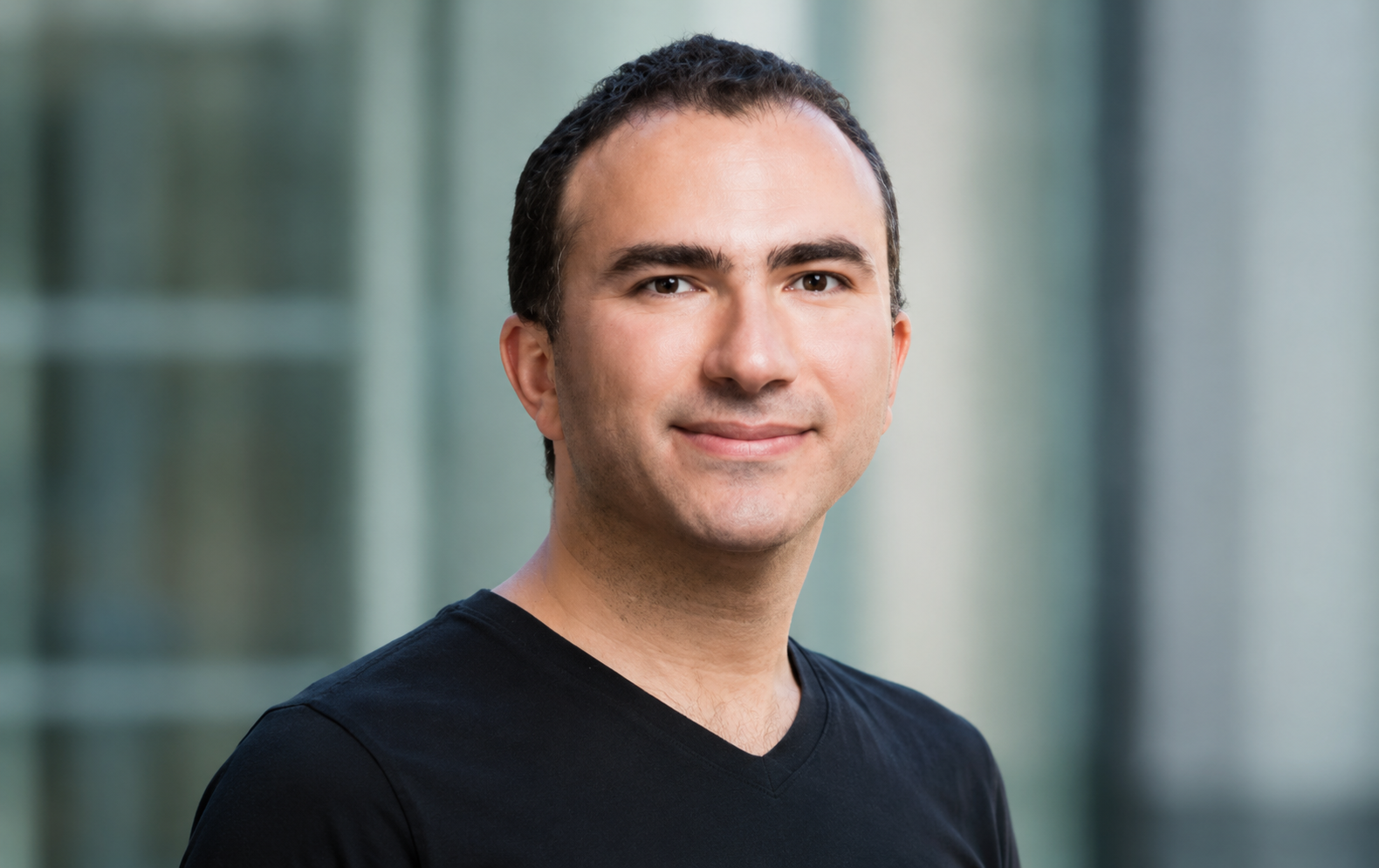
Weber Wong is the founder and CEO of Flora, a creative technology company focused on giving designers and creative teams a better way to work with generative AI. His background is part of what makes Flora interesting.
Before building Flora, Wong worked in finance and venture capital. He was previously an investor at Menlo Ventures and also had experience at Evercore. That gave him a close look at startups, software companies, and the way emerging technologies move from early experiments into real businesses.
But Flora did not come from a purely financial angle. Wong later joined NYU ITP, the New York University Interactive Telecommunications Program, a graduate program known for mixing technology, art, design, and human-computer interaction. That environment helped shape Flora’s early direction. The product began as a creative technology project before it became a fast-growing AI startup.
That path matters because Flora feels different from many AI tools built mainly around technical capability. Wong approached the problem from the creative side as well. He was not only asking what AI models can generate. He was asking how creative people actually think, explore, revise, and build.
What Flora is trying to change
Flora is an AI creative workflow platform built around a visual canvas. It brings together different AI capabilities for text, image, and video, then lets users connect them inside a node-based system.
In simple terms, a node is a small building block in a workflow. One node might hold a prompt. Another might generate an image. Another might refine that image, create variations, or pass the output into a new step. Instead of jumping between many separate tools, a creative team can build a connected process on one canvas.
That approach is important because professional creative work is rarely linear. A campaign idea might start with a mood board, move into visual references, shift into copy directions, then branch into several image styles. A designer may want to compare different versions, keep earlier ideas visible, and return to a previous direction without losing the thread.
Flora is built for that kind of messy, exploratory process. It gives users a place to think visually, test ideas quickly, and keep control over how AI is being used.
The problem with prompt-only creative AI
Many generative AI tools are easy to use at first. You type a prompt, click generate, and wait for a result. For casual use, that can be enough. For professional work, it often becomes limiting.
The problem is not that prompt-based AI is useless. The problem is that a single prompt box can flatten the creative process. It can make a professional designer feel like they are handing over too much control to the machine.
Creative people often need to ask questions like these.
What influenced this result?
Can I branch this idea in three different directions?
Can I keep one version but change the lighting, mood, layout, or format?
Can my team see how we got from the first concept to the final output?
Can we reuse this workflow for another client, campaign, or brand system?
A standard prompt interface does not always answer those questions well. It may generate something impressive, but it does not always support the deeper process behind creative direction.
This is the gap Weber Wong appears to be focused on. Flora is not just about making creative output faster. It is about making the process more understandable and more controlled.
How Flora gives creative professionals more control over AI
The strongest idea behind Flora is creative control. Instead of asking users to trust a black-box process, Flora gives them a visual way to shape each step.
The infinite canvas gives creatives room to explore. A designer can lay out ideas, connect different steps, compare outputs, and keep a visual map of the work. That makes AI feel less like a slot machine and more like a creative system that can be directed.
The node-based workflow also gives users more precision. Instead of writing one long prompt and hoping for the best, a user can break the process into smaller parts. They can adjust one node without rebuilding the whole project. They can test different models, create branches, and refine the result step by step.
For creative professionals, that kind of structure matters. It supports the way real design work happens. Ideas evolve. Teams disagree. Clients ask for changes. A visual workflow makes it easier to understand what changed, why it changed, and how to move forward.
This is also where Flora becomes useful for more than solo experimentation. Agencies, studios, and brand teams need repeatable systems. They need to produce work quickly while still protecting quality and consistency. Flora’s workflow-first approach can help creative teams move faster without turning the process into random output generation.
Why Flora is more than another AI design tool
It would be easy to describe Flora as another AI design tool, but that misses the point. Flora is closer to a creative operating system for generative media.
Traditional design tools give professionals a lot of control, but they can be time-consuming. Many AI tools are fast, but they can feel shallow or unpredictable. Flora is trying to sit between those two worlds. It aims to keep the speed of AI while giving users a stronger sense of authorship.
That distinction is important. In professional creative work, authorship is not only about who clicked the generate button. It is about taste, direction, judgment, and decision-making. A creative director may use AI to explore hundreds of visual routes, but the value still comes from knowing which route fits the brand, the campaign, and the audience.
Flora’s interface supports that human role. It does not treat the creative person as a passive user waiting for AI to deliver the answer. It gives the creative person a system to guide the process.
That is why the product has drawn attention from designers, creative agencies, and brand teams. The market already has plenty of tools that can create images. What many professionals need now is a better way to manage the entire creative workflow.
From NYU project to funded AI startup
One of the most interesting parts of Weber Wong’s story is how Flora moved from an academic creative technology environment into the startup world.
Flora’s early version grew out of Wong’s time at NYU ITP, where students often experiment with the overlap between art, technology, interaction design, and new forms of media. That background helped Flora develop as an interface idea, not just a model wrapper.
The company later gained serious investor attention. Flora raised a $42 million Series A led by Redpoint Ventures, a major milestone for a creative AI startup. The raise signaled that investors see a large opportunity in tools built specifically for AI-native creative work.
That funding also suggests a wider shift in the creative software market. The first wave of generative AI excitement was about what models could produce. The next wave is more likely to be about workflows, interfaces, collaboration, and control. Flora fits directly into that shift.
For Wong, the challenge is not only building a useful product. It is building a platform that creative professionals can trust enough to bring into their daily work.
Why designers and creative teams are paying attention
Creative teams are under pressure from every direction. Brands need more content. Agencies need faster concept development. Social platforms demand constant visual output. Clients expect more options, more speed, and more polish.
AI can help with that pressure, but only if it fits the way creative teams already work. If a tool creates more confusion, breaks the workflow, or forces people to jump between platforms, it becomes another problem to manage.
Flora tries to solve that by bringing different parts of the AI creative process into one place. A team can explore ideas, test visuals, generate assets, compare versions, and build repeatable workflows without constantly switching context.
For agencies, this can support early-stage concepting and visual exploration. For brand teams, it can help maintain direction while generating more variations. For studios, it can support pre-visualization and faster experimentation. For individual designers, it can turn AI into a more flexible creative partner.
The key is that Flora does not ask professionals to give up control for speed. It tries to give them speed through control.
Weber Wong’s bigger vision for AI and creativity
The most useful way to understand Weber Wong’s work is through the idea of creative agency. AI can generate, but humans still direct. AI can produce options, but humans still decide what has meaning, taste, and purpose.
Flora’s product direction reflects that belief. Its visual workflow makes room for human choice at every stage. A user can decide which model to use, how to connect steps, which output to keep, and how to evolve an idea. That makes the creative process feel less automated and more guided.
This matters because many creative professionals are not against AI. They are against tools that make their work feel generic, detached, or hard to control. A designer wants to shape the result. A filmmaker wants to guide the mood. A brand team wants consistency. A creative director wants to understand why one route is stronger than another.
Flora is being built for that professional mindset. It does not sell AI as magic. It treats AI as part of a larger creative system.
That is a more mature direction for the industry. As generative AI becomes more common, the winning tools may not be the ones that simply produce the flashiest output. They may be the ones that fit naturally into real creative decision-making.
What Flora shows about the future of creative software
Flora points toward a future where creative software becomes more fluid, connected, and intelligent. Instead of using one tool for brainstorming, another for images, another for video, and another for collaboration, creative teams may increasingly expect one shared workspace where ideas can move between formats.
That does not mean traditional design tools will disappear. It means the creative stack is changing. Professionals will still need craft, taste, and technical skill. But they will also need systems that help them work with AI models in a controlled and repeatable way.
The next generation of creative software may look less like a blank document and more like a living workflow. It may allow teams to build reusable creative processes, connect multiple models, automate repetitive steps, and keep human judgment at the center.
This is the space Weber Wong and Flora are trying to define. Their bet is simple but powerful. Creative professionals do not just need more AI output. They need better ways to control AI.
If Flora can deliver that, it could become an important tool for designers, agencies, studios, and brand teams trying to make sense of the generative AI era.