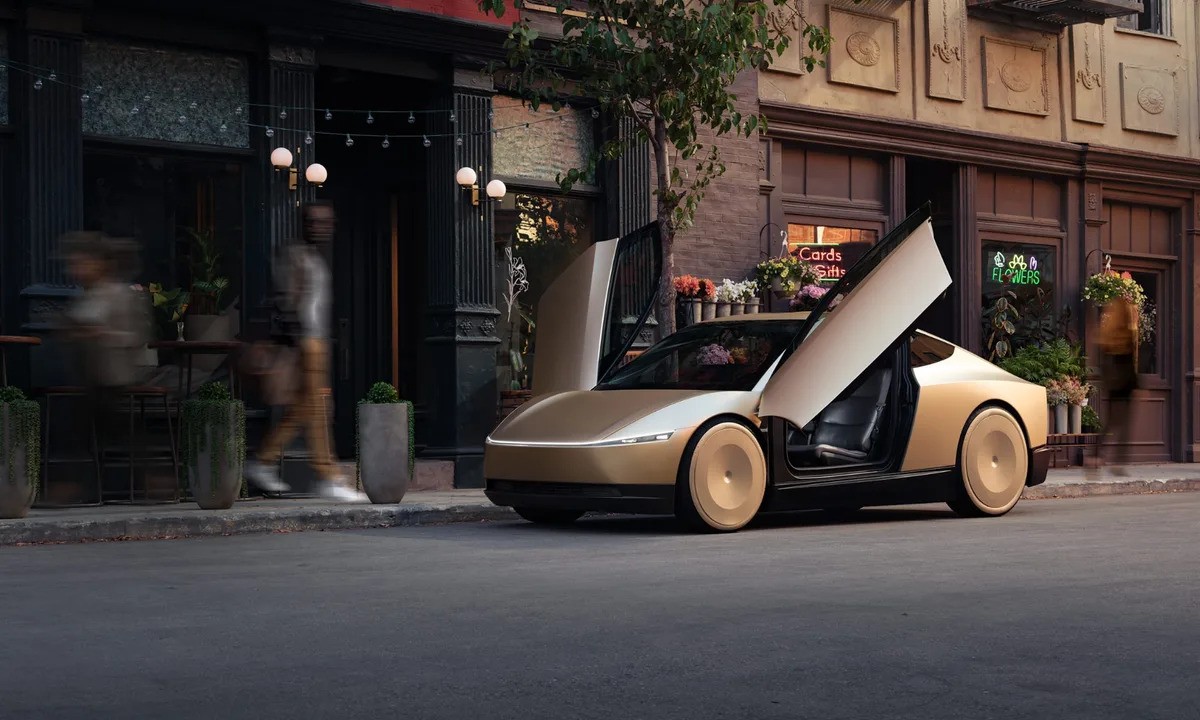
Tesla’s long talked about robotaxi ambitions are starting to feel much more tangible. In Austin, Texas, several Cybercab prototypes have been spotted driving through everyday traffic, signaling that the company is moving closer to turning its autonomous ride hailing vision into reality. These sightings suggest Tesla is stepping beyond controlled testing environments and into real world conditions as it works toward a planned 2026 launch.
Photos and videos shared on X by users like Matt Barge and Dennis Hegstad show multiple Cybercab units operating on public streets, blending in with regular vehicles. Seeing more than one prototype active at the same time hints at coordinated testing, likely aimed at understanding how a fleet of autonomous vehicles behaves in live traffic scenarios. This kind of data is critical as Tesla prepares for large scale deployment.
Tesla first revealed the Cybercab concept in 2024 as a vehicle designed specifically for autonomy. Unlike previous robotaxi experiments that relied on modified versions of existing models such as the Model Y, the Cybercab was built from the ground up without a steering wheel or pedals. The goal is a simplified design that reduces manufacturing costs while allowing Tesla to scale production faster.
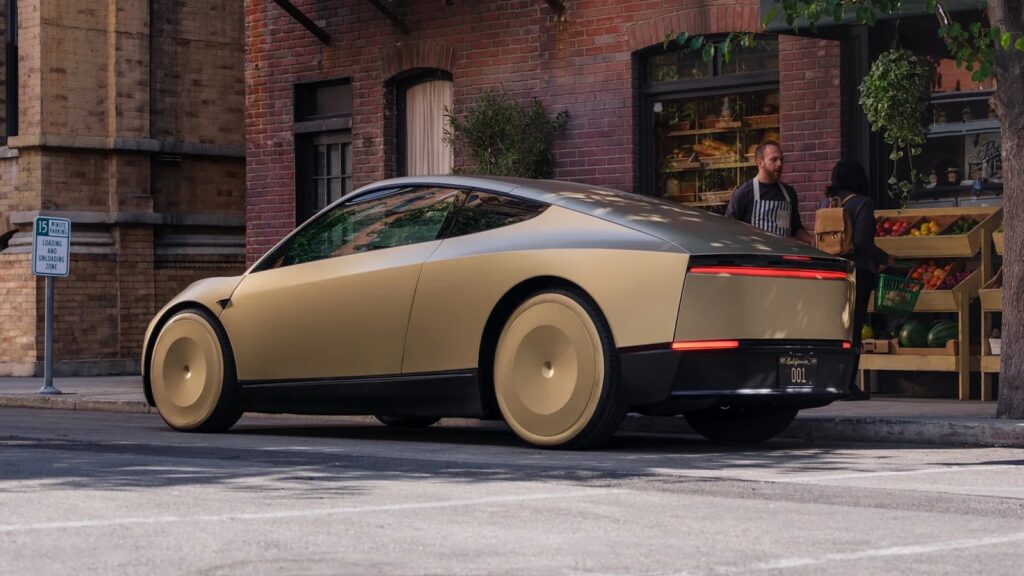
Austin has become an increasingly important testing ground for autonomous vehicle technology, and Tesla’s decision to run Cybercab prototypes on public roads there is a notable step. Operating in real traffic allows engineers to gather data that closed tracks simply cannot provide. From unpredictable driver behavior to complex intersections and pedestrian activity, these variables play a major role in proving whether autonomous systems are ready for everyday use.
Some of the recent images also sparked discussion online after at least one Cybercab prototype appeared to include a steering wheel. That detail has fueled speculation about whether Tesla is testing multiple configurations or keeping certain controls in place for safety and regulatory reasons during early road trials. Tesla has not officially commented on this, but it highlights how much curiosity and scrutiny surrounds the project.
According to previous statements from CEO Elon Musk, Tesla aims to begin Cybercab production around April 2026 at Gigafactory Texas. The facility is expected to handle Cybercab manufacturing alongside other vehicles, including the long delayed Tesla Roadster. Running prototypes on nearby roads makes logistical sense and allows for rapid iteration as the company refines both hardware and software.
Regulatory approval remains one of the biggest hurdles ahead. Autonomous vehicles must meet strict safety standards, and real world testing plays a key role in demonstrating reliability to regulators. By placing Cybercab prototypes among everyday drivers in Austin, Tesla is gathering the kind of evidence that could help smooth that process.
For Austin residents, these sightings offer an early glimpse of what autonomous ride services might look like as part of daily life. For the broader auto and tech industries, they represent a clear sign that Tesla is pushing its robotaxi plans forward rather than keeping them confined to concept stages or closed testing facilities. As more Cybercab prototypes appear on public roads, attention will likely continue to grow around how quickly Tesla can move from testing to full scale deployment.