Gigabyte is clearly interested in the handheld gaming PC space, but it is not in a hurry to jump in without a reason. Speaking with PCWorld during CES 2026, Gigabyte CEO Eddie Lin explained that the company is still evaluating the idea and has no intention of releasing a handheld that feels like a copy of what already exists.
According to Lin, the challenge is not about whether Gigabyte can build a handheld gaming PC. The components, performance targets, and general design playbook are already well understood across the industry. The harder part is finding a way to stand out in a market that is starting to look very similar from device to device. For Gigabyte, releasing a product without a clear point of difference simply is not worth the risk.
At this stage, there is no release window, no pricing discussion, and no confirmation of which regions would be prioritized. That makes this less of a teaser for an upcoming launch and more of a signal about how Gigabyte is thinking. The company wants a defining feature that changes how the device feels in everyday use, not just something that looks good on a spec sheet.
What stands out most is what Gigabyte chose not to show. There was no prototype on display, no hint at internal codenames, and no attempt to build early hype. If a handheld were close to release, CES would have been the ideal moment to start shaping expectations. Instead, the message felt deliberate. Gigabyte is setting a clear bar and refusing to cross it until there is a compelling reason for players to choose its device over existing options.
There is also brand reputation to consider. Gigabyte has long been associated with PC components and gaming hardware, and releasing a generic handheld could weaken that perception. In a crowded category, a forgettable product can do more damage than staying out altogether.
In 2026, simply running modern PC games on a handheld is no longer impressive. That capability is expected. The real differentiators are the details players notice every time they pick the device up. Comfort during long sessions, thermal performance that stays quiet under sustained load, battery behavior that feels predictable, and software that makes Windows less frustrating on a small screen all matter more than raw benchmarks.
This is where Gigabyte’s background could give it an advantage. The company works extensively with power limits, cooling solutions, and sustained performance in laptops and PC hardware. Those strengths translate directly to handheld gaming, but only if the improvements are obvious and easy to explain. Subtle gains hidden behind technical language are unlikely to sway buyers.
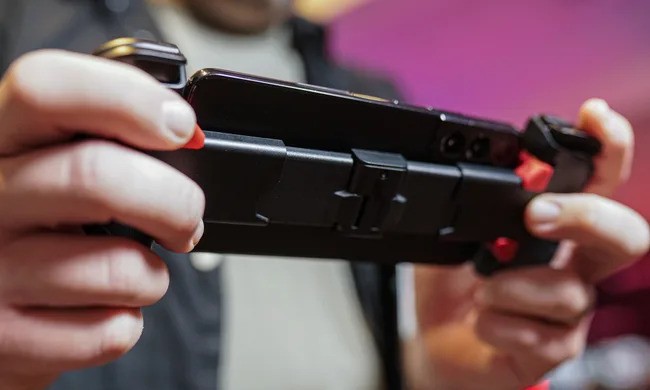
Right now, the most popular handhelds already offer distinct reasons to exist. Devices like the Steam Deck, Nintendo Switch 2, and ASUS ROG Ally each approach the category with their own priorities, whether that is ecosystem integration, form factor, or performance tuning. Competing against that lineup requires more than matching specifications.
The next real signal from Gigabyte will not be another broad statement. It will be a specific feature, a working demo, or a clear promise about usability. If the company starts talking in practical outcomes like quieter fans, better sleep and resume behavior, longer sustained performance, or more comfortable controls, that will suggest a product is getting closer to reality.
Until then, this should be viewed as intent rather than an announcement. Anyone shopping for a handheld gaming PC today is better off choosing a device that fits their budget and game library right now, then revisiting the idea if Gigabyte eventually shows a prototype with a genuinely new angle.