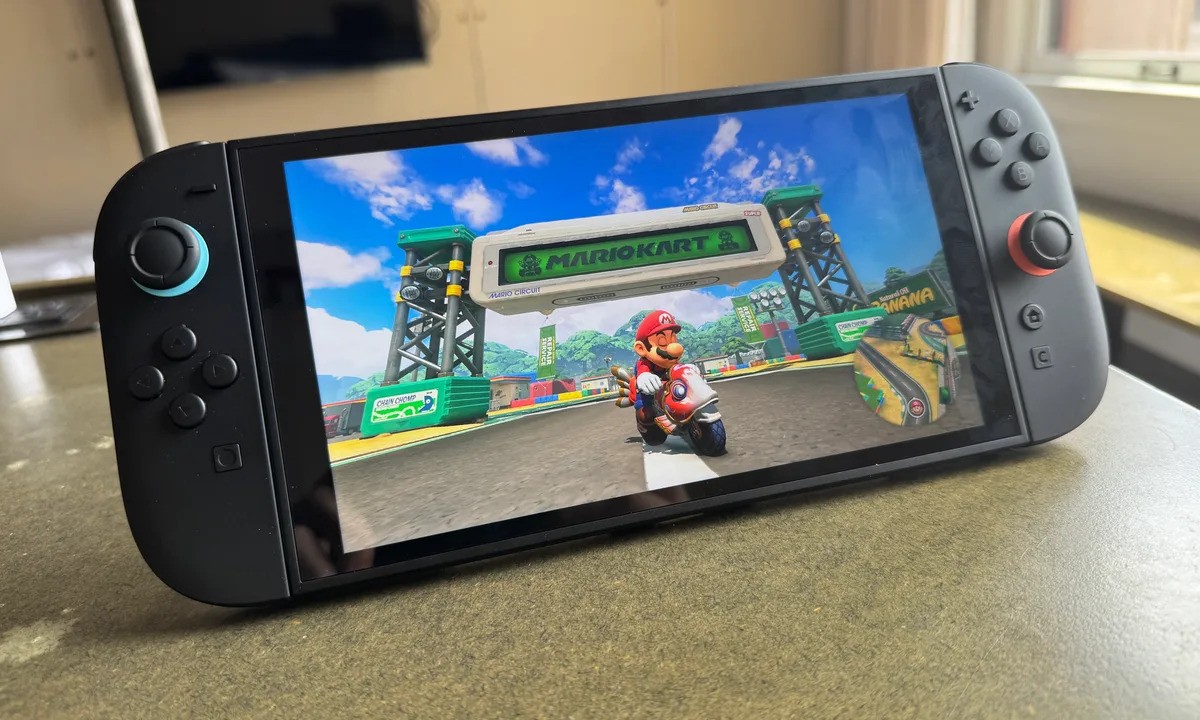
Nintendo is not insulated from the economic pressures reshaping the tech industry. Rising tariffs, growing demand for AI hardware, and increasing component costs are already affecting everything from smartphones to laptops, and gaming consoles are no exception. While the Switch 2 has held its launch price so far, that stability may not last much longer.
Nintendo released the Switch 2 in June 2025 as the long-awaited successor to its hybrid console. The new system delivered noticeable improvements across the board, including a sharper display, more capable GPU, longer battery life, and refined accessories. At launch, the console was priced at $449, while the Mario Kart World bundle debuted at $499.
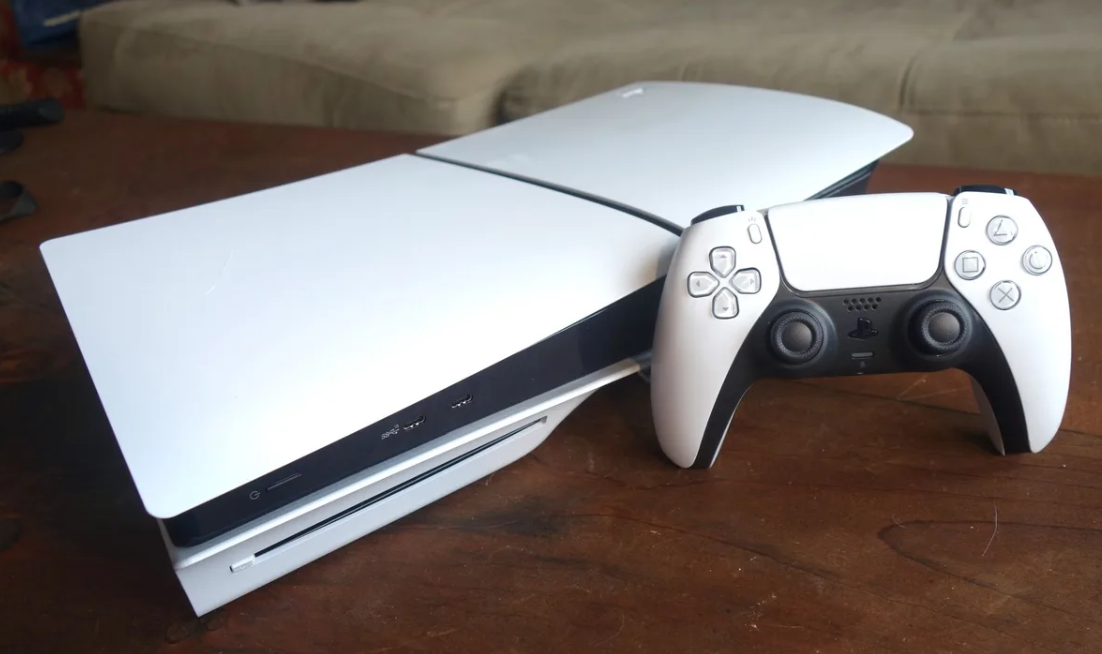
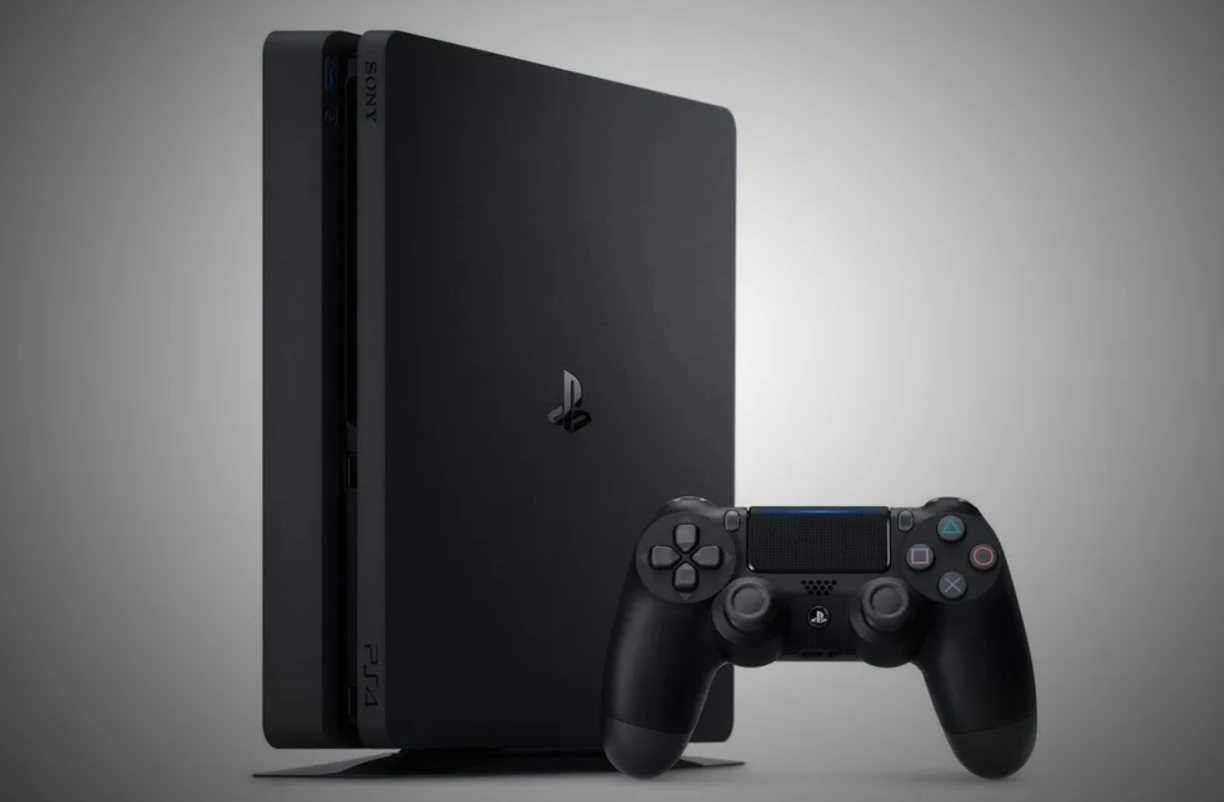
Since release, Nintendo has kept pricing unchanged, even as competitors moved in the opposite direction. Both the PlayStation 5 Digital Edition and the Xbox Series S saw price increases over the past year, making Nintendo’s decision stand out in a market trending upward. However, industry analysts suggest that this price consistency may be temporary.
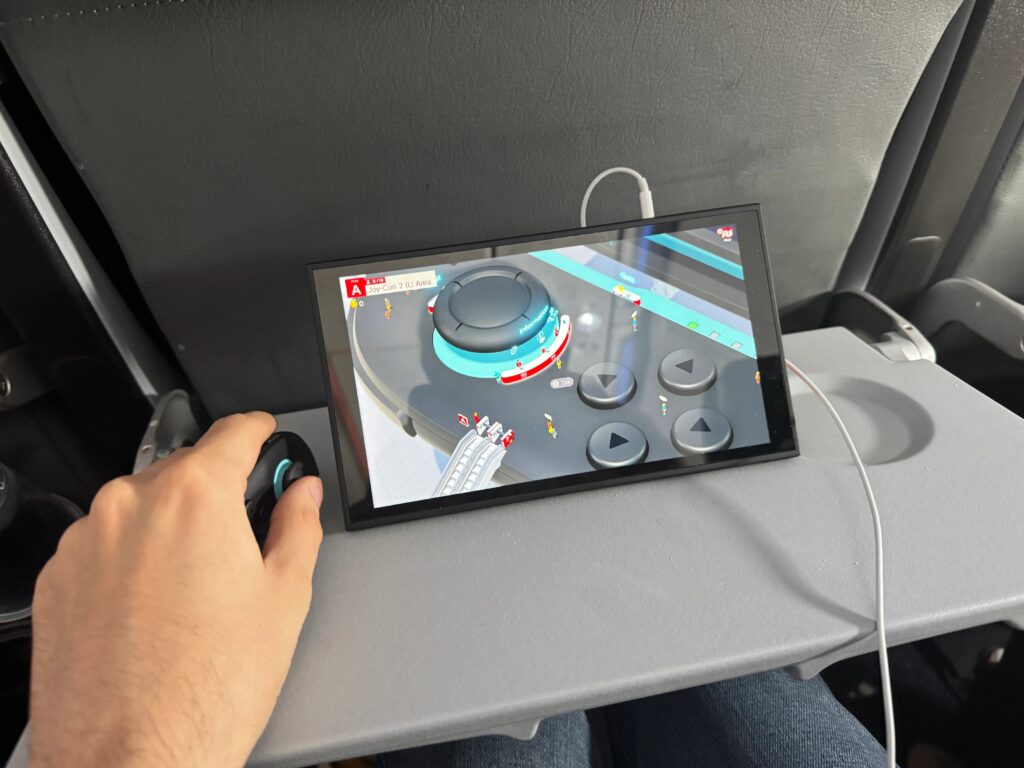
Why the $449 price may not survive 2026
A growing memory and storage shortage is already driving up costs across the consumer electronics sector. The surge in AI data center development has dramatically increased demand for high-performance memory modules, tightening supply chains and raising prices for manufacturers.
According to market research firm Niko Partners, Nintendo is unlikely to remain unaffected. In its 2026 industry outlook, the firm points to multiple factors that could push Nintendo toward a price adjustment. These include higher memory costs, global tariffs, and broader macroeconomic conditions that are squeezing margins across the tech industry.
Niko Partners expects the Switch 2 to see a global price increase, potentially affecting all major regions, including the United States. This would align Nintendo more closely with strategies already adopted by Sony and Microsoft as they respond to rising production costs.
How Nintendo could increase prices without changing the sticker
Nintendo has more than one way to raise the effective entry price of the Switch 2. The most direct approach would be to increase the retail price of the console itself above the current $449 mark. While simple, this option risks consumer backlash, especially from price-sensitive buyers.
A more subtle strategy would be to phase out the standalone console SKU entirely. By discontinuing the $449 console-only version and positioning the $499 Mario Kart World bundle as the default option, Nintendo could raise the average selling price without officially announcing a price hike.
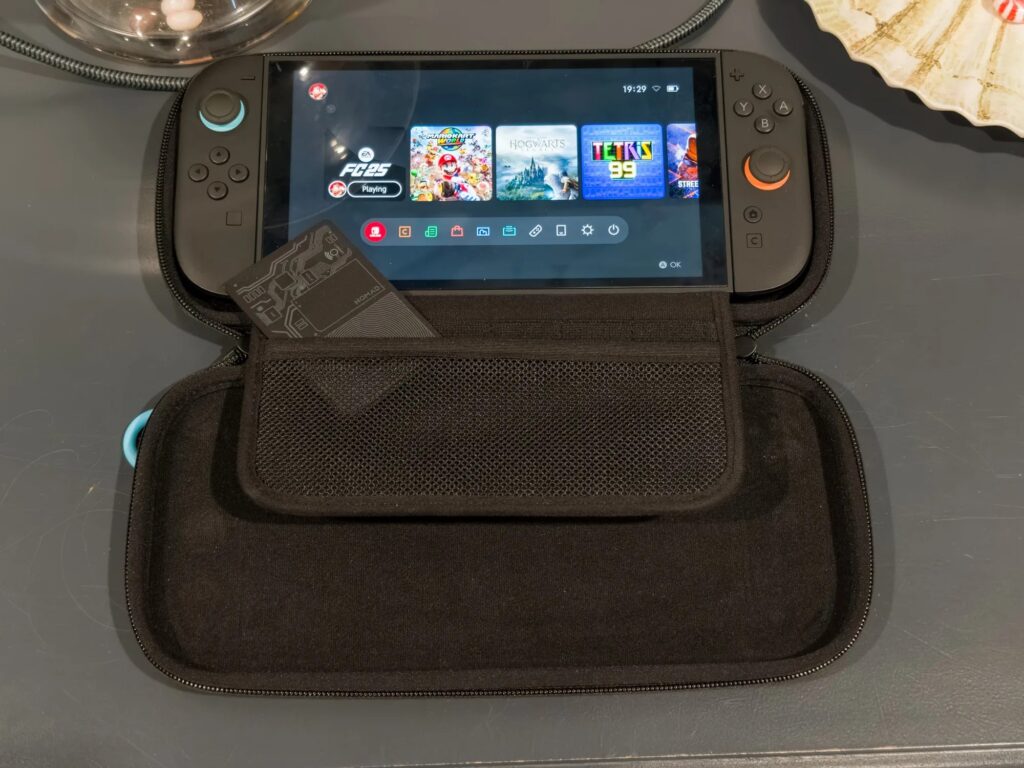
This approach would also allow Nintendo to improve margins, as bundled software often generates higher overall profit compared to selling hardware alone. For buyers, the result would be the same: a higher cost of entry, even if the official price appears unchanged.
Timing remains uncertain
While analysts are confident that a price increase is coming, the exact timing remains unclear. Nintendo has not signaled when or how it might adjust pricing, and the company has historically moved cautiously when making changes that affect its broad consumer base.
For now, the Switch 2 remains available at its original launch price. But with component costs continuing to rise and competitors already setting a precedent for higher console prices, 2026 is shaping up to be a turning point.
For consumers who have been considering an upgrade, the current pricing window may not stay open indefinitely.