I still remember the first time I powered on a 144Hz IPS monitor. Back then, it felt like a breakthrough. Motion felt smoother, aiming felt more precise, and going back to a 60Hz panel suddenly seemed impossible. Fast forward a few years, and that same feeling has returned, only this time the jump is far more dramatic. After spending weeks with the latest wave of 240Hz OLED gaming monitors, traditional LCD panels now feel dated in a way that is hard to ignore.
Once you experience self emissive pixels running at ultra high refresh rates, the difference is immediate. Colors feel alive instead of backlit, motion clarity improves to the point where blur almost disappears, and even familiar games look noticeably sharper in motion.
A new baseline for gaming displays
Gaming monitors have reached a point where compromises are no longer necessary. For a long time, buyers had to choose between speed and image quality. Fast panels sacrificed contrast and HDR performance, while beautiful screens struggled with motion handling. That trade off is fading fast.
Modern 240Hz OLED panels combine near instant response times with refresh rates that competitive players demand. With pixel response measured in fractions of a millisecond, ghosting and smearing are effectively gone. Tracking fast moving targets feels effortless, whether you are locked into a tense round of Valorant or exploring dense cityscapes in Cyberpunk 2077.
What makes this shift even more significant is pricing. A sharp drop in panel costs throughout 2025 and 2026 has pushed OLED out of its niche. What was once reserved for premium setups is now accessible to a much wider audience, making OLED less of a luxury upgrade and more of a new standard.
Affordable OLED is no longer a contradiction
One of the clearest signs of this shift is the arrival of aggressively priced QD OLED monitors. The 27 inch QHD model from AOC is a perfect example. It delivers vibrant quantum dot color, deep blacks, and a 240Hz refresh rate at a price point that would have seemed unrealistic just a year ago.
At this resolution, hitting high frame rates is achievable without needing top tier graphics hardware. The balance between clarity and performance makes it a strong choice for players who want speed without sacrificing visual impact. Motion feels instantaneous, and the lack of backlight glow gives games a cleaner, more natural look.
For buyers who want to explore current pricing and availability, retailers like Best Buy regularly list updated deals on OLED gaming monitors through their official store pages.
One display, two extreme use cases
OLED is not just about raw speed. Flexibility has also improved, especially with hybrid designs. The 32 inch UltraGear Dual Mode display from LG approaches the problem from a different angle. Instead of forcing a choice between resolution and refresh rate, it allows users to switch modes depending on what they are playing.
In one configuration, it runs at a sharp 4K resolution with a 240Hz refresh rate, ideal for cinematic single player titles and visually rich RPGs. With a single button press, it drops to Full HD and pushes refresh rates even higher, catering directly to competitive shooters where frame rate is everything.
The matte screen coating also helps in bright rooms, reducing reflections without dulling color output. This kind of versatility makes it appealing for players who split their time between esports and immersive storytelling.
Ultrawide immersion without the extra baggage
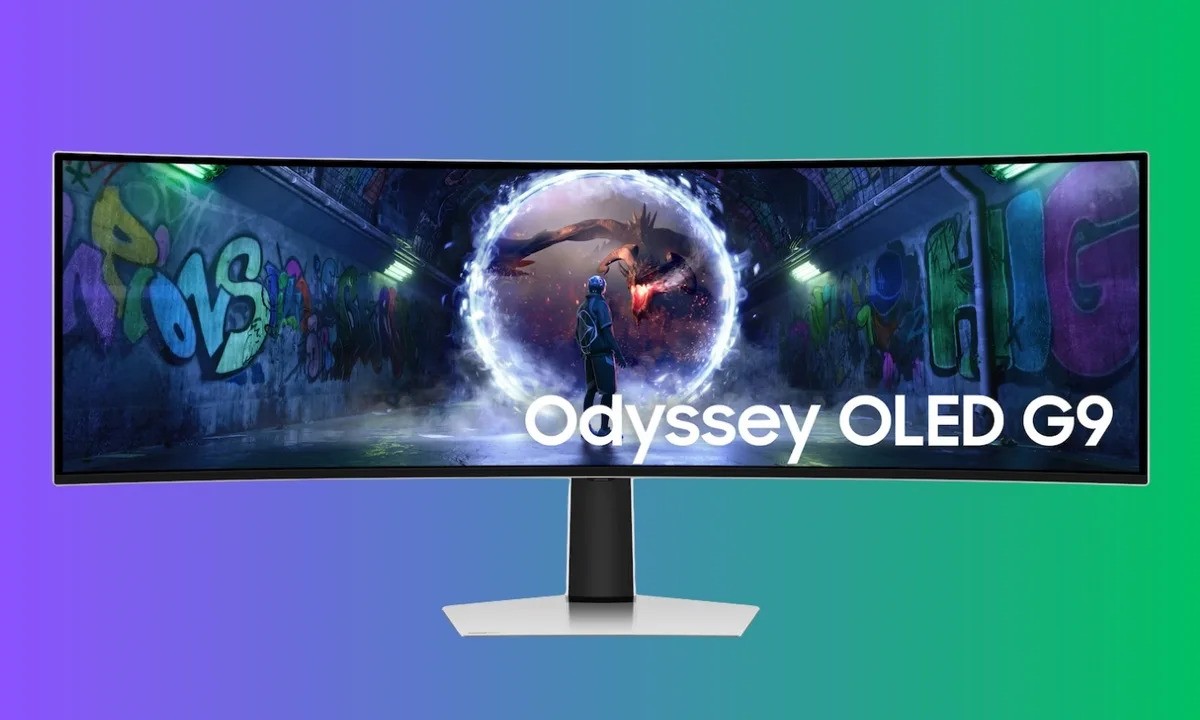
For those who prefer a more enveloping setup, ultrawide OLED panels have matured quickly. The 49 inch Odyssey OLED G9 G93SD from Samsung stands out by focusing purely on performance rather than extra software features.
Unlike earlier versions that included smart TV interfaces, this model strips things back to the essentials. The result is faster boot times, fewer distractions, and a display that behaves like a dedicated monitor should. You still get the dramatic curve, expansive field of view, and 240Hz refresh rate, but without unnecessary menus interrupting your workflow.
For sim racers, strategy players, and anyone who values multitasking space, this kind of screen can fundamentally change how games and applications feel on the desktop.
Why LCD is losing relevance fast
Once you adapt to OLED, the limitations of LCD technology become hard to ignore. Backlit panels struggle to match true black levels, and even the fastest IPS displays cannot compete with OLED response times. Motion clarity, contrast, and HDR performance all favor self emissive panels in a way that feels decisive rather than incremental.
As graphics cards continue to push higher frame rates and game engines evolve, displays need to keep pace. OLED is doing exactly that, offering a combination of speed and image quality that finally feels aligned with modern PC hardware.
For anyone planning a new build or a serious upgrade in 2026, the conversation around monitors has shifted. Instead of asking whether OLED is worth it, the more relevant question is which OLED form factor best fits your setup.