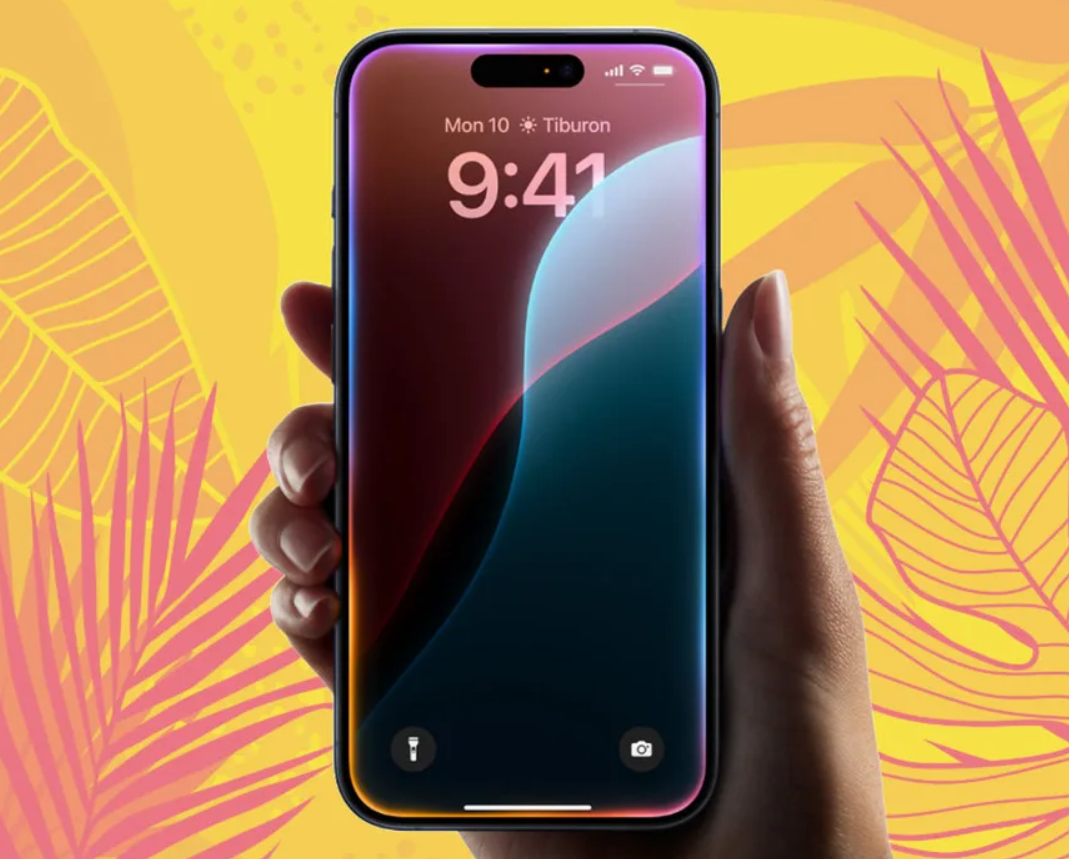
Apple’s long-promised Siri overhaul is finally coming into focus, and all signs point to the upgrade arriving alongside iOS 26.4. After first teasing a smarter, more capable assistant at WWDC in mid-2024, Apple now appears close to showing how far Siri has actually come. According to reporting from Bloomberg, the company is preparing hands-on demonstrations of the new assistant as early as February, with iOS 26.4 expected to enter beta testing shortly afterward and reach the public sometime in March or early April.
This update is meant to push Siri beyond the familiar pattern of short voice commands and surface-level answers. Instead, Apple is positioning the assistant as something far more aware of context, capable of understanding what is happening on your screen, pulling from personal data when appropriate, and completing tasks that previously required manual effort. It is the type of everyday usefulness Apple has been talking about for years, but has struggled to deliver at scale.
What remains unclear is how this shift will work in practice. Apple has not yet laid out firm details around device compatibility, regional availability, or the precise limits of what Siri will be allowed to access when it starts working with personal context. Those unanswered questions are part of why the upcoming February demonstrations matter so much. This will be the first real opportunity for Apple to show the assistant performing repeatable, real-world actions rather than polished, one-off scenarios.
Whether Apple opts for a large public event or a more controlled media briefing, possibly at its New York media space, the objective will be the same. The company needs to prove that Siri can reliably understand intent, connect that understanding to what a user is viewing, and complete tasks without friction. Context-aware features often look impressive in scripted demos, but trust only builds when they continue to work after repeated use.
One of the more notable elements behind this accelerated timeline is Apple’s reported reliance on Google’s Gemini technology. To deliver these capabilities within iOS 26.4, Apple appears to have leaned on external AI support rather than waiting for its own systems to mature fully. Internally, the company has reportedly branded the underlying system as Apple Foundation Models version 10, framing it as a significant in-house leap even though outside technology plays a role.
The model powering the upgraded Siri is said to be massive, roughly 1.2 trillion parameters, and hosted on Apple’s Private Cloud Compute infrastructure. This setup suggests Apple is using cloud-based processing for the most demanding requests, allowing the assistant to handle more complex tasks without being limited entirely by on-device hardware. While this approach could help Apple move faster, it also introduces new questions around responsiveness, regional consistency, and how well performance holds up under everyday use.
Once the iOS 26.4 beta becomes available, the real test will not be marketing language or feature lists. What will matter is whether Siri can take meaningful action using personal context, not just recognize it, and whether those capabilities remain consistent over time. Users will also be watching closely to see how Apple explains privacy controls, which data stays on device, what flows through Private Cloud Compute, and which iPhone models receive the full set of features.
If Apple provides clear answers during its February briefings and the beta experience supports those claims, iOS 26.4 could mark the most significant shift in Siri’s role since the assistant first launched. After years of incremental updates and unmet expectations, this release represents Apple’s strongest attempt yet to redefine what Siri is supposed to do in everyday use.