After more than a year of scattered leaks, analyst notes, and quiet speculation, Apple’s long-rumored home hub may finally be nearing its debut. A fresh report suggests the device could arrive as early as this spring, offering a design approach that feels noticeably different from anything Apple currently sells for the smart home.
According to recent coverage, the upcoming hub is expected to place a strong emphasis on artificial intelligence while introducing a physical design that allows the display to move and adapt to the user. If accurate, it could mark Apple’s most ambitious push yet into the smart home display category.
Earlier reports from Bloomberg hinted that the device could take visual inspiration from Apple’s classic iMac G4, pairing a compact display with a rounded base. The screen itself was said to be roughly the width of two iPhones placed side by side, creating a familiar but refined footprint. There were also suggestions that Apple had explored a more premium variant featuring a robotic arm, with pricing estimates reaching close to one thousand dollars.
More recent details appear to narrow the focus. A report from The Information claims the home hub could feature a robotic swiveling base rather than a full articulated arm. Sources familiar with Apple’s internal plans say the base may automatically rotate the screen to face the user, adapting its position as someone moves around the room.
That kind of movement could be powered by a combination of sensors and a front-facing camera. Previous leaks have already suggested the device may support FaceTime calls, which would benefit from a screen that can track and follow the person speaking. If implemented well, the rotating base could make video calls and hands-free interactions feel far more natural than current stationary smart displays.
The same report notes that Apple is designing the hub with AI at its core. In addition to built-in speakers and a compact display, the device is expected to rely heavily on intelligent software features. This aligns with Apple’s broader strategy of weaving AI deeper into its ecosystem, especially across services like Siri and HomeKit.
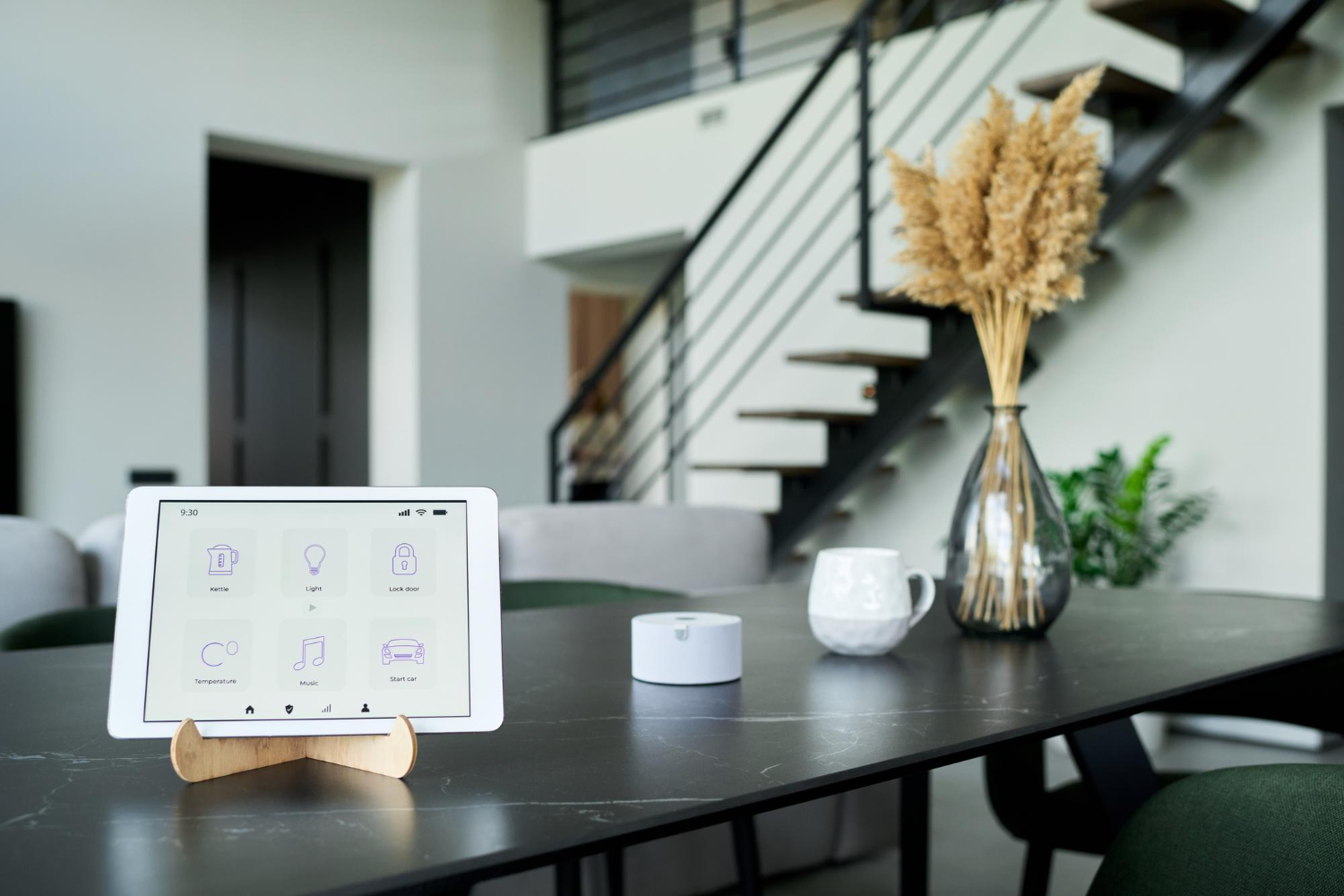
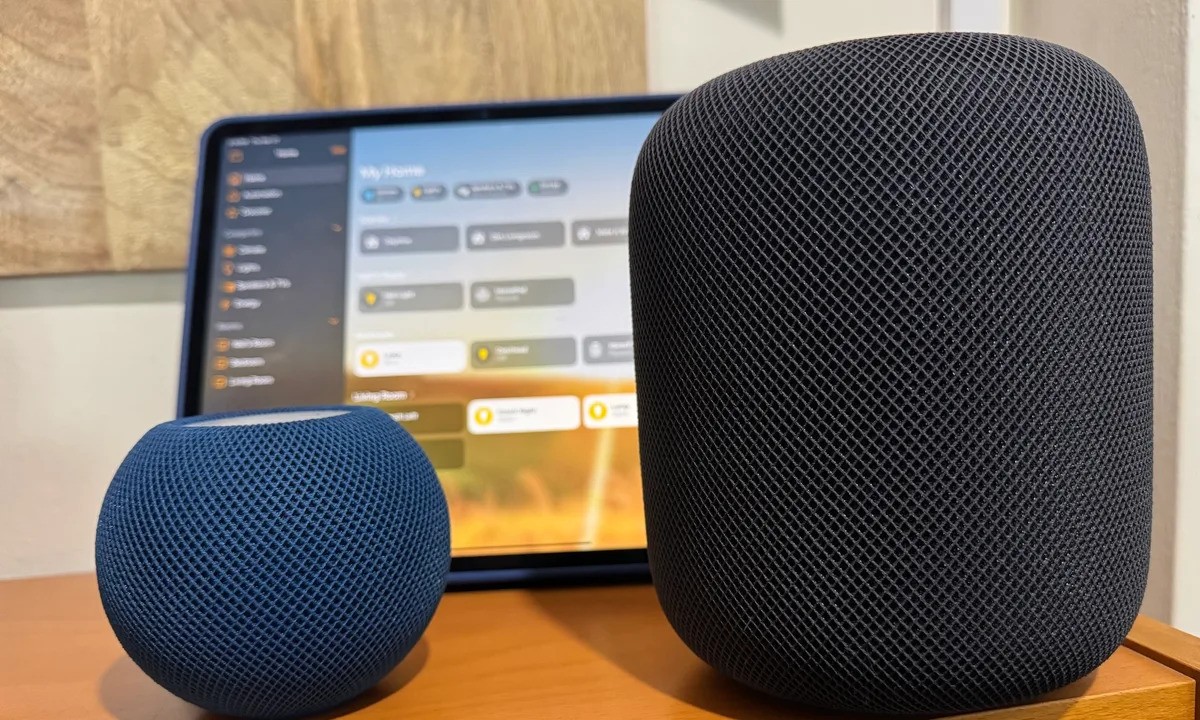
As a central control point, the home hub is expected to manage HomeKit accessories, handle smart home automations, and respond to voice commands without requiring constant manual input. It may also integrate closely with Apple services, allowing users to control music, calendars, reminders, and video calls from a single screen placed in a shared living space.
There may not be a long wait for official confirmation. The report suggests Apple is preparing to announce the home hub sometime this spring. If that timeline holds, the device could arrive alongside an upgraded version of Siri that is rumored to launch later this year with iOS 26.4. A smarter assistant paired with a dedicated home display could help Apple better compete with platforms from Google and Amazon that already dominate the smart display market.
For now, much of what is known still comes from reports and supply-chain chatter. Even so, the idea of a screen that physically responds to the user, combined with deeper AI integration, signals that Apple is aiming to rethink how a smart home hub should behave rather than simply matching what already exists.
As Apple continues to expand its smart home ambitions, the home hub is shaping up to be more than just another accessory. It could become the centerpiece that ties together Apple’s software, services, and connected see external coverage from Bloomberg, The Information, and Apple’s own HomeKit platform.