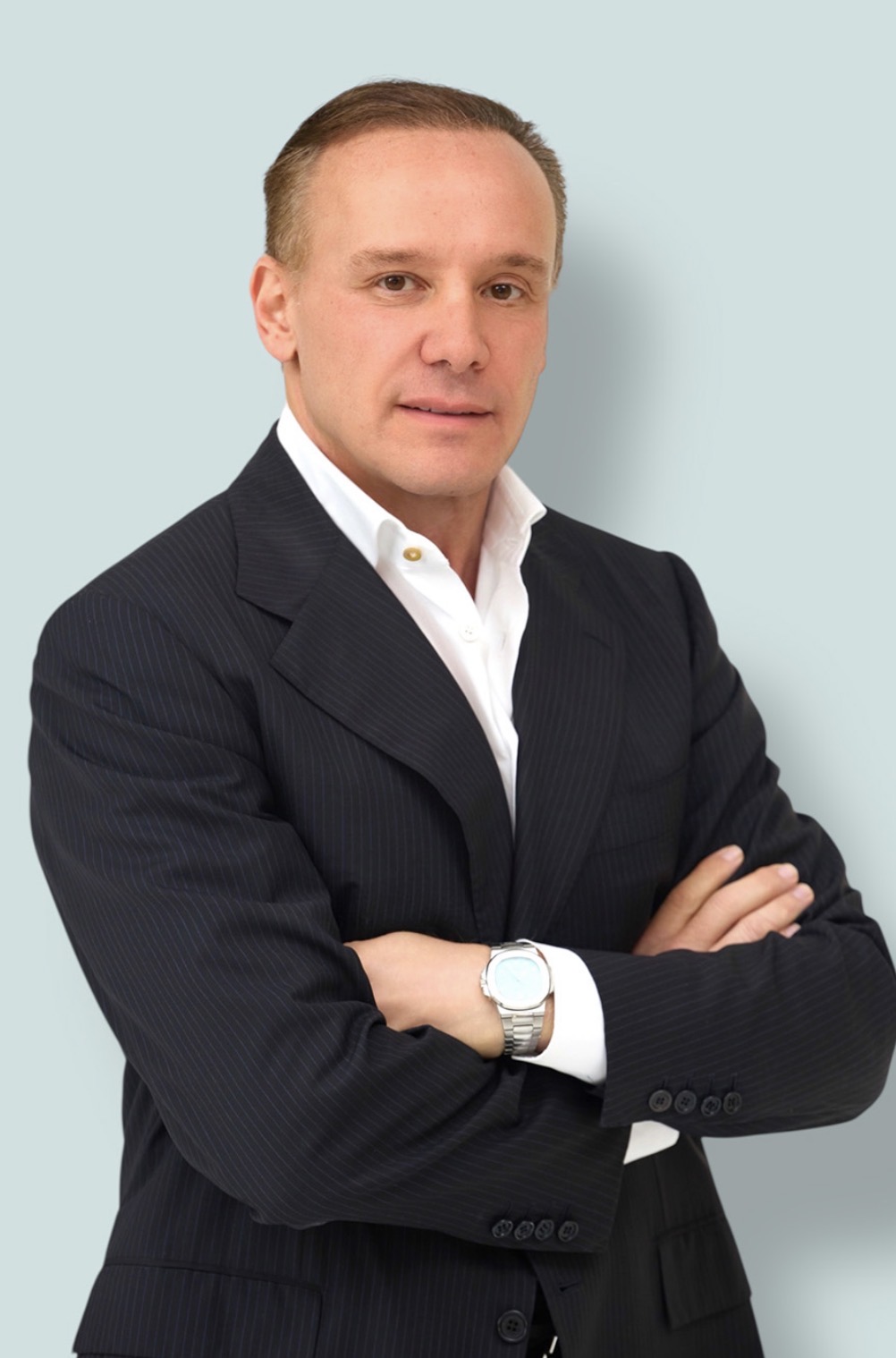
Younger surgeons regularly contact Dr. Leonard Hochstein for advice, often asking how to reduce surgical risks, avoid complications and approach certain cases. Those conversations are, in Hochstein’s view, the result of more than 30 years spent working in plastic surgery.
The board-certified Miami surgeon has performed over 30,000 breast surgeries, with much of his career focused on primary and revision breast procedures.
When younger physicians seek his guidance, he emphasizes not only surgical technique, but also the decisions that come before and after surgery. That includes evaluating whether a patient is a good candidate, setting realistic expectations and knowing when a surgeon may need to adjust the plan based on the individual patient.
For younger surgeons, the goal is not simply to learn a set of techniques. He encourages them to understand the fundamentals, stay curious, ask questions, continue learning and develop the clinical judgment to make decisions for themselves.
That philosophy is tied to his own training, including his time learning under renowned plastic surgeon Dr. D. Ralph Millard. His training reinforced the importance of knowledge, discipline and surgical judgment being passed from one generation of physicians to the next.
More than three decades later, the dynamic has come full circle: younger surgeons now come to him with questions of their own, giving him the opportunity to share what he has learned throughout his career.
From Student to Mentor
Before his plastic surgery fellowship, Hochstein’s medical and surgical training spanned several areas. He earned his medical degree from Louisiana State University Medical Center in Shreveport and graduated as valedictorian of the Science/Medicine Accelerated Program. He was also a Dean’s List Graduate.
At Parkland Memorial Hospital in Dallas, he trained in general and trauma surgery, eventually serving as Chief Surgical Resident. He later completed fellowships in Hand Surgery and Plastic Surgery at the University of Miami/Jackson Memorial Hospital, where he trained under Dr. D. Ralph Millard.
During that time, Hochstein worked with Millard on research involving the preoperative care of plastic surgery patients. He also presented at Plastic Surgery Grand Rounds on topics including the surgical treatment of cleft lip deformity and received an Academic Award in Plastic Surgery in 1997.
Those years of training taught him more than surgical techniques. He also learned how experienced surgeons evaluate patients, approach challenging cases and make clinical decisions.
Just as importantly, those years showed him the value of physicians taking the time to teach and mentor younger surgeons.
“Mentorship has always been an important part of medicine for me,” he said.
Knowing the Procedure Is Only Part of a Surgeon’s Job
Technical knowledge is only one part of becoming a well-rounded physician. Young surgeons must also know how to communicate clearly with patients, make ethical decisions, pay close attention to detail and carry themselves professionally.
“As physicians develop their careers, I believe our responsibility is to help them become not only technically capable surgeons, but compassionate and responsible physicians,” Hochstein said.
Avoiding risk, in his view, is not simply a matter of memorizing surgical steps. Physicians also need to evaluate the individual patient, understand the information in front of them and decide what makes sense for that particular case. Those expectations continue to guide his own work.
His academic and research experience also taught him early in his career that a surgeon’s education cannot stop once formal training is complete. Because medicine and plastic surgery are constantly changing, he stays up to date through continuing education, medical literature, research, surgical presentations and involvement in professional organizations.
Throughout his career, he has been affiliated with organizations including the American Board of Medical Specialties, The Miami Society of Plastic Surgeons, the American Society of Plastic and Reconstructive Surgeons and The Millard Society.
Hochstein also values conversations with experienced physicians and specialists, which help him stay informed about advances in surgical techniques, patient safety, technology and evidence-based care.
“My philosophy is that new technology is valuable when it genuinely improves patient care and outcomes,” he said.
For that reason, a new technique or piece of equipment does not automatically earn a place in patient care simply because it is new. Hochstein believes physicians should take the time to look at the evidence and ask whether it truly makes a positive difference for their patients.
Patient Goals Meet Medical Reality
Dr. Leonard Hochstein opened his Miami surgical center in 1998 and has since performed thousands of breast surgeries, including breast augmentation, breast revision, breast lift, breast reduction and gynecomastia surgery.
Each surgical plan begins with the individual patient. Hochstein considers factors such as anatomy, overall health, personal goals and expectations before determining what procedure, if any, would be best for their situation.
“I also believe that educating patients is an important part of the process, because patients who understand their options and the recovery process can make informed decisions and participate more effectively in their care,” he said. “Ultimately, my goal is to provide thoughtful, precise surgical care while maintaining the highest standards of safety, professionalism, and patient satisfaction.”
In plastic surgery, aesthetic considerations must be balanced with sound medical judgment. While the patient may have a particular result in mind, their anatomy, overall health and safety all play a role in determining what is realistically possible.
Patients also seek surgery for many different reasons. Some want to address physical changes or injuries. Others have lived for years with a feature that affects how they feel about their appearance.
“What I find particularly rewarding is developing a relationship of trust with patients and then seeing them achieve a result that aligns with their goals,” Hochstein said.
Clear communication, he says, can help surgeons understand what patients want, while attention to detail and good judgment can guide decisions throughout the surgical process.
In his eyes, a successful result is about more than how the surgery looks. It is about helping them achieve a result that makes them feel more confident and comfortable with themselves and enjoy a better quality of life.
Making Room for Mentorship, Family and Community
For some physicians, giving back happens primarily through their work with patients. For Hochstein, that responsibility extends beyond the walls of his own practice.
He supports organizations such as the Make-A-Wish Foundation and the Humane Society while also dedicating himself to patient care, education and mentorship.
“I believe giving back is important because medicine is ultimately about helping people,” he said. “I believe physicians have an opportunity and a responsibility to use their skills and resources to make a meaningful difference.”
That same sense of purpose affects how he works with younger surgeons. Hochstein enjoys sharing what he’s learned over the years and helping the next generation of doctors find their footing. For him, it’s a way to extend his influence beyond the patients he sees himself.
Much of that enthusiasm comes from how much he genuinely enjoys plastic surgery. It’s not just a career to him, but something he’s passionate about and truly loves doing.
Maintaining that passion while making time for life outside of work, however, requires intention.
“Balancing a busy surgical practice with family and personal life requires discipline, organization, and understanding what is most important,” Hochstein said.
He strives to remain fully focused while working and give his family the same level of attention when he is away from his practice. Time away from medicine helps him recharge, maintain perspective and return to patients with the focus and energy he expects from himself.
Measuring The True Impact of a Medical Career
After decades in medicine, a physician’s impact naturally becomes about more than the procedures they perform or the number of patients they treat. For Dr. Leonard Hochstein, that impact can be seen in the relationships he has built with patients, the conversations he has with younger surgeons and the time he continues to spend learning and teaching.
A surgeon’s experience comes from years of taking on one case after another, but those lessons don’t have to stay with them. Knowledge passed down from a mentor can guide the way a surgeon treats a patient years later.
Conversations about challenging cases can help younger doctors develop better judgment, while taking the time to explain a patient’s options can help them feel more informed and confident about their own care. Likewise, staying involved in the community can allow a physician to make a difference outside of their own operating room.
In medicine, individual procedures eventually come to an end, but the knowledge, relationships and lessons gained over a career can have a lasting influence.
For Hochstein, that creates a sense of connection between the surgeons who helped shape his career, the patients he cares for today and the younger physicians who now turn to him for advice.
In that way, medicine isn’t just about what a doctor accomplishes personally. It is also about what they pass on.