Florida is taking a bold step toward the future of electric transportation, and it sounds like something pulled straight out of science fiction. A new highway project in Central Florida is being designed to wirelessly charge electric vehicles while they are moving, eliminating the need to stop and plug in.
The Central Florida Expressway Authority has confirmed plans for a 4.4-mile roadway that will connect Lake County and Orange County. What makes this stretch of road different from anything currently available in the United States is that part of it will feature embedded charging technology capable of powering electric vehicles as they drive over it. The system does not rely on traditional charging stations or pads. Instead, it uses inductive charging built directly beneath the pavement.
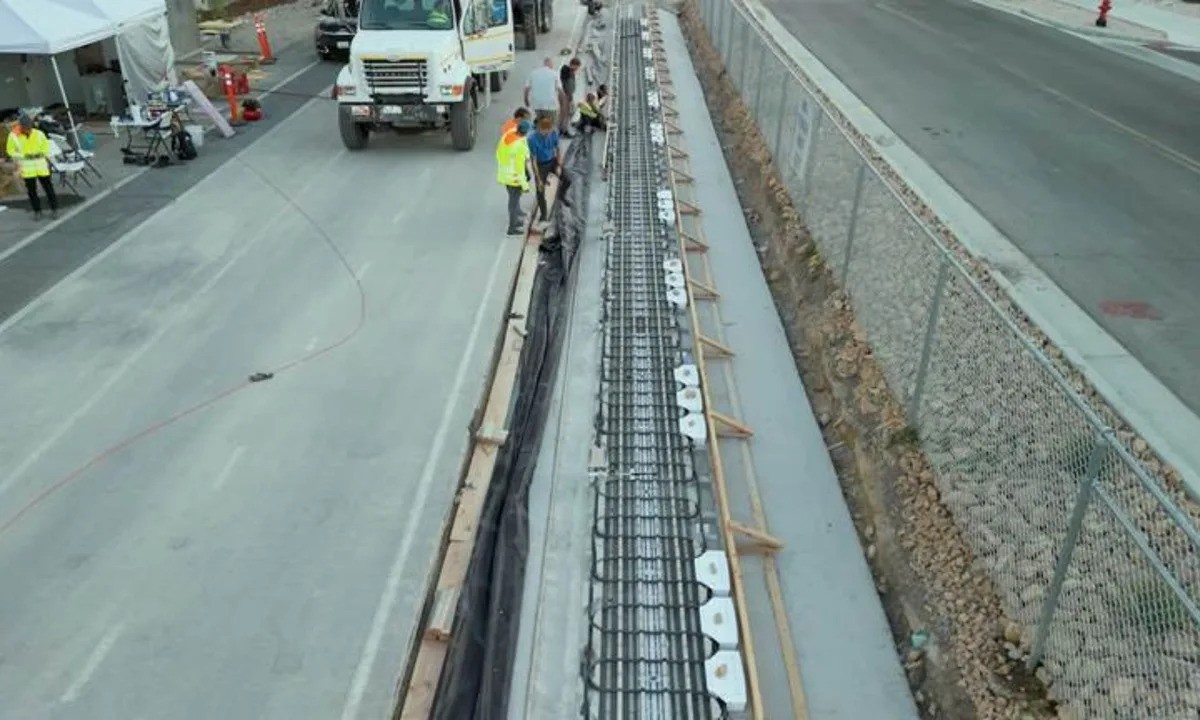
The project carries a budget of more than $540 million and is being positioned as both a transportation upgrade and a real-world testing ground for wireless charging technology. According to details shared by the authority and technology partner ENRX, a 0.75-mile section of the highway will include inductive coils installed underneath the concrete surface. These coils generate a magnetic field that transfers energy to compatible vehicles as they pass over the roadway. More information about the underlying technology can be found through ENRX’s work on electric road systems.
Unlike wireless charging pads that require a vehicle to remain stationary, this system is designed to work at highway speeds. The charging output is expected to reach up to 200 kilowatts, which puts it in the same performance range as many modern DC fast chargers. For drivers, this means the potential to extend driving range without stopping, especially on routes that see consistent traffic flow.
However, not every electric vehicle will be able to take advantage of the electrified highway. Most EVs currently sold in the United States do not include the hardware required to receive power wirelessly while in motion. Retrofitting personal vehicles for this kind of charging is not simple, which is why the project is being framed as a long-term investment rather than an immediate solution for everyday drivers.
Because of those limitations, the primary beneficiaries of the electric roadway are expected to be commercial fleets. Delivery vans, long-haul trucks, municipal service vehicles, and logistics fleets stand to gain the most from reduced downtime and fewer charging stops. For fleet operators, even small improvements in efficiency can translate into major cost savings. Wireless charging on a fixed route could also allow vehicles to operate with smaller battery packs, reducing weight and improving overall efficiency.
The project also serves as a practical experiment for the broader EV industry. Wireless charging has long been discussed as a way to improve convenience and accelerate adoption, but large-scale deployments have been limited. By installing the technology on an active highway, Florida is creating an opportunity to test durability, energy transfer efficiency, and compatibility across different vehicle platforms in real-world conditions.
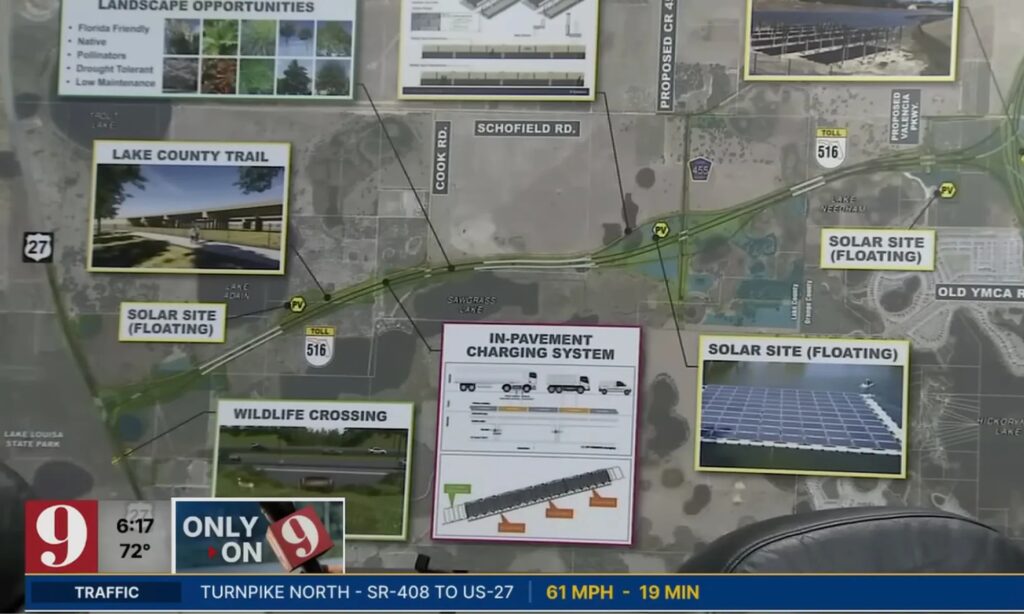
Construction on the new roadway, known as State Road 516, is already underway. Officials have stated that work on the electrified section will begin in June 2026. The full project is expected to be completed by 2029, with the initial phase focused on validating performance, safety, and long-term maintenance requirements.
If the pilot proves successful, the implications could extend far beyond Central Florida. Future highways could incorporate longer electrified segments, potentially reshaping how EV batteries are designed and how long-distance travel is handled. Lighter batteries, fewer charging stations, and more efficient road travel could all become part of the equation as states explore new ways to support electric transportation.
While the average driver may not see immediate benefits from this specific project, it reflects a growing commitment by state authorities to invest in infrastructure that supports electric vehicles. As EV sales continue to rise and charging technology evolves, experiments like this one help move the industry closer to a more seamless and accessible electric driving experience. The effort also highlights how transportation agencies are working alongside private technology firms to push innovation beyond traditional road design.
Florida’s electrified highway may not replace charging stations anytime soon, but it offers a glimpse into how roads themselves could play an active role in powering the vehicles that use them.