Direct-to-consumer growth can make a brand look ready for anything.
Sales are coming in. Customer feedback is strong. The product has found an audience. The brand has momentum online, and from the outside, retail expansion can feel like the obvious next step.
But this is the point where a lot of growing brands run into a very different kind of reality.
Selling through your own website is one thing. Selling into retail chains, wholesale accounts, and larger distribution networks is something else entirely. The minute a brand tries to make that jump, it starts dealing with retailer requirements, purchase orders, shipping labels, packing slips, compliance standards, inventory coordination, and a long list of backend workflows that most customers never see.
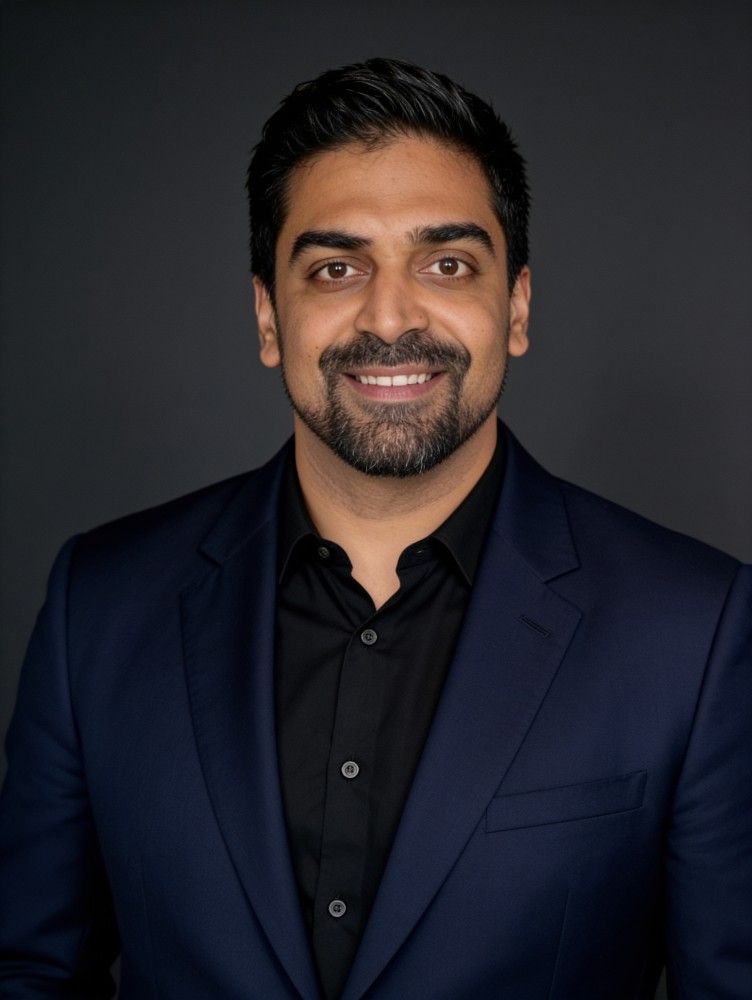
That gap between demand and execution is where Dipti Desai saw a real problem worth solving.
As co-founder and CEO of Crstl, she is focused on helping brands move beyond DTC without getting buried in the operational mess that often comes with retail growth. Instead of treating retail expansion like a simple channel add-on, Crstl approaches it for what it really is: an infrastructure challenge.
Why DTC Success Does Not Automatically Lead to Retail Growth
A lot of consumer brands prove themselves online before they ever think seriously about wholesale or retail distribution. That path makes sense. DTC gives founders more control over branding, customer experience, pricing, and data. It also allows smaller teams to launch fast and learn quickly.
The problem is that success in a DTC environment does not automatically prepare a company for the systems and expectations of retail.
In direct-to-consumer commerce, a brand controls most of the flow. It owns the storefront, manages the checkout experience, and can often move fast with a relatively modern tech stack. Retail is different. It introduces trading partners, formal processes, document standards, vendor compliance rules, and operational dependencies that are much less forgiving.
That is where many promising brands get stuck.
They may have the product. They may have the demand. They may even have interest from retailers. But interest alone does not create retail readiness. Brands also need the ability to exchange data correctly, fulfill orders in the right format, stay compliant, and keep everything moving without overwhelming a lean operations team.
This is why the move from Shopify success to store shelf presence is often harder than it looks. The challenge is not only winning the account. The challenge is being able to support it.
Dipti Desai Saw the Infrastructure Problem Behind Retail Expansion
Dipti Desai’s perspective stands out because she is not just talking about growth in broad startup language. Her work with Crstl is rooted in a more practical observation: a lot of brands are blocked not by lack of ambition, but by the outdated systems behind B2B commerce.
That matters because retail growth conversations often focus on demand generation, merchandising, or channel strategy. Those things matter, but they are only part of the picture. Once a brand begins selling into retail, the real pressure often shifts to operations.
Can the team handle EDI requirements?
Can it connect with trading partners without long implementation timelines?
Can it manage compliance, documentation, testing, and order workflows without bringing in enterprise-level complexity?
These are not flashy questions, but they are the ones that decide whether a brand can actually scale.
Crstl was built around this exact pain point. The company’s focus on modern B2B commerce and no-code EDI reflects a clear understanding that many emerging brands do not need more complexity. They need infrastructure that works without demanding a large internal technical team.
That is a meaningful shift in how retail enablement is being framed. Instead of asking brands to adapt to old systems, the better approach is to make the systems more usable for modern commerce teams.
What Crstl Is Building for Modern Consumer Brands
Crstl sits in a part of commerce that is essential but often overlooked.
For many people outside retail operations, EDI can sound like one of those background terms that only large enterprise teams worry about. In reality, it plays a major role in how suppliers, brands, retailers, and distributors exchange information and keep transactions moving. When that process is clunky, slow, or too technical, growth becomes harder than it needs to be.
Crstl’s pitch is simple in the best way. It is trying to make B2B commerce infrastructure more accessible for brands that want to expand into retail, marketplaces, and wholesale without getting trapped in legacy systems.
That includes areas like:
- retailer onboarding
- trading partner connections
- order workflows
- compliance and testing
- shipping documentation
- supply chain coordination
- backend automation
The bigger idea is not just digitization for its own sake. It is about removing friction from the path between a brand’s growth ambitions and its ability to operate at retail scale.
For smaller and mid-sized brands, that distinction matters. They do not always have the time, budget, or internal engineering resources to manage complicated integrations or custom workflows. A platform that simplifies EDI and related operations can do more than save time. It can open the door to channels that otherwise feel too difficult to pursue.
The Real Gap Between DTC and Retail Is Operational, Not Ambitional
One of the most useful ways to understand Dipti Desai’s work is to look at where retail expansion tends to break down.
It usually is not because founders lack ambition. It usually is not because the product is not strong enough. More often, the trouble starts when backend systems have to catch up with frontend growth.
A brand can have excellent customer retention, strong paid performance, and healthy direct-to-consumer revenue while still being unprepared for the demands of larger retail relationships.
That is because retail brings a completely different layer of operational discipline.
Purchase orders have to be handled correctly. Data has to flow cleanly between systems. Compliance requirements have to be met. Timelines matter. Mistakes can lead to delays, chargebacks, lost revenue, and strained retail relationships.
This is where the phrase retail growth can be a little misleading. Growth sounds exciting, but operationally it often means more complexity, more coordination, and less room for error.
Dipti Desai’s positioning around Crstl speaks directly to that reality. The company is not trying to glamorize the backend. It is trying to modernize it.
That is a smart place to build.
Brands do not just need more ways to sell. They need better systems to support the channels they are entering.
How Crstl Helps Brands Become Retail Ready
Retail readiness is one of those ideas that gets talked about a lot without always being explained clearly.
In practical terms, it means a brand is able to work with retail partners in a way that is reliable, compliant, and scalable. It means the exciting part of landing a new account is backed by the less visible part of actually supporting it.
Crstl helps close that gap by making core B2B workflows easier to manage.
Instead of forcing teams to patch together outdated tools, manual processes, and expensive technical support, the company is built around giving brands a more usable path into retail operations. That is especially valuable for businesses that are growing fast but still running lean.
A lean team may not have a dedicated EDI specialist, a large operations department, or an in-house engineer focused on B2B infrastructure. But it still needs to meet the same retailer requirements as much larger companies.
This is exactly where modern commerce infrastructure becomes a growth lever.
When order management, compliance workflows, shipping documentation, and trading partner communication become easier to handle, brands gain more than efficiency. They gain confidence.
They can pursue bigger retail opportunities without feeling like each new account will create an operational fire drill.
That changes the economics of growth.
Instead of hiring around inefficiency, brands can build around better systems.
Why This Matters for Emerging and Mid-Sized Brands
Dipti Desai’s work with Crstl feels especially relevant for the kinds of brands that are too advanced for scrappy workarounds but not large enough to operate like a Fortune 500 supplier.
That middle stage is where a lot of commerce businesses live.
They have enough traction to think bigger. They want omnichannel growth. They may already have momentum across e-commerce, marketplaces, or early wholesale relationships. But they are still watching budget closely, and they cannot afford to let operational bottlenecks slow everything down.
This is where traditional enterprise software often misses the mark.
Legacy systems can be expensive, rigid, and built around assumptions that do not fit modern brand teams. On the other side, purely manual workflows create risk, especially once order volume and partner complexity start increasing.
Crstl sits in the middle with a more modern answer.
That is what makes the company’s positioning compelling. It is not only offering software. It is responding to a structural problem that shows up when brands try to mature beyond DTC.
For these businesses, better infrastructure is not a nice extra. It is what allows growth to happen without constant operational drag.
Dipti Desai’s Bigger View of Omnichannel Commerce
One of the strongest ideas behind this story is that the future of commerce is not about choosing between direct-to-consumer and retail.
It is about connecting channels in a way that makes growth sustainable.
That is the real promise of omnichannel commerce when it is done well. Not simply being present in more places, but being able to operate across those places without fragmentation, confusion, or expensive manual effort.
Dipti Desai’s approach fits that shift.
Crstl is built around the reality that brands increasingly want to sell across DTC, wholesale, retail, marketplaces, and distribution channels. But the more channels a company adds, the more pressure it puts on backend systems.
Without the right infrastructure, omnichannel growth can turn into operational chaos.
With the right infrastructure, it becomes much more realistic.
That is why companies working in retail tech, supply chain automation, and B2B commerce are getting more attention. They are solving the connective tissue problems that sit underneath visible growth.
Dipti Desai’s role in that space is notable because she is focused on a problem that many brands feel long before it becomes a headline issue. By the time operations become painful, the need for a better system is already obvious.
What Founders and Retail Operators Can Learn From Dipti Desai
There is a broader lesson in Crstl’s story that goes beyond EDI.
The best commerce companies do not only chase visible growth trends. They pay attention to the friction hidden underneath them.
Dipti Desai has built around a part of the market that may not look flashy at first glance, but it directly affects whether brands can expand successfully. That is a strong founder instinct.
It shows an understanding that in retail and supply chain environments, infrastructure is often strategy.
For founders, the takeaway is clear. If a market keeps hitting the same bottleneck, there is usually room for a better system.
For operators, the lesson is just as important. Retail growth should not be treated as a simple channel decision. It is an operational transition, and the brands that handle it well are usually the ones that invest in the right workflows before problems pile up.
That is why Dipti Desai’s work with Crstl matters. She is helping brands do more than enter retail. She is helping them become capable of staying there and growing there.