When people talk about venture capital, they usually focus on the money. They talk about fund sizes, hot sectors, unicorn valuations, and who got into which round first. What gets missed in that conversation is the part that often matters most at the beginning: access. Who gets seen early. Who gets taken seriously before the traction is obvious. Who gets invited into the rooms where funding starts moving.
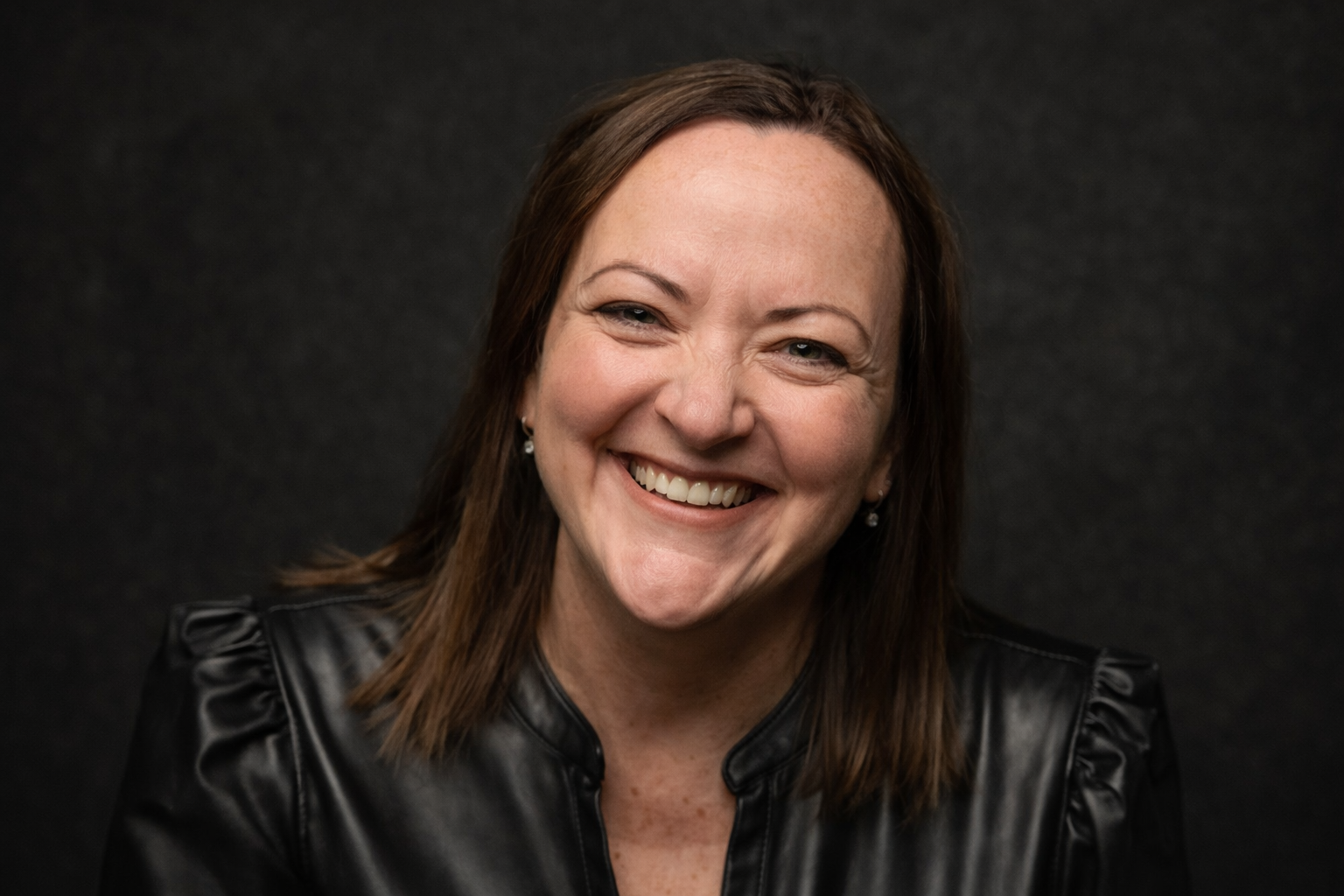
That is a big part of what makes Leslie Feinzaig and Graham & Walker worth paying attention to.
This is not the story of someone who woke up one day and decided to launch a fund because venture capital looked glamorous. It is the story of a founder, operator, and community builder who spent years close to startup pain points before turning that experience into an investment platform. What began with the Female Founders Alliance grew into something larger, more structured, and more influential. Over time, that community foundation helped shape Graham & Walker into a venture firm with a clear point of view, a distinct brand, and a strong place in the early-stage startup ecosystem.
Who Is Leslie Feinzaig
Leslie Feinzaig is best known today as the founder and general partner of Graham & Walker, but her credibility did not come from a polished investor image alone. It came from operating experience, startup leadership, and years spent working directly with founders.
That background matters because it helps explain why her approach feels different from the traditional investor playbook. She has not built her reputation by standing at a distance and commenting on startups from the outside. She built it by being close to the work, close to the uncertainty, and close to the people trying to build companies in environments that do not always reward nontraditional founders.
That perspective gave her something a lot of investors spend years trying to develop: real pattern recognition grounded in lived founder experience. It also shaped the tone of the brand she would later build. Graham & Walker does not present itself like a cold financial machine. It feels more human, more founder-aware, and more intentional about the kind of people it wants to back.
How Female Founders Alliance Became the Starting Point
To understand the rise of Graham & Walker, you have to start with Female Founders Alliance.
Before there was a venture fund, there was a community. That detail matters because it changes the entire arc of the story. Instead of beginning with capital and then trying to build trust around it, Leslie Feinzaig built trust first. She created a space where founders could connect, learn, share what they were going through, and find support in an industry that often made them feel peripheral.
That kind of foundation is powerful. Communities reveal what is really happening on the ground. They expose fundraising barriers, operational stress, hiring challenges, growth bottlenecks, and the quiet frustrations founders rarely say in public. Over time, that gives a builder like Feinzaig an unusually clear view of what the market is missing.
It also creates something that cannot be faked overnight: trust. Founders are far more open with people who have shown up consistently than with investors who appear only when a company starts looking hot. That trust later became one of the strongest strategic assets behind Graham & Walker.
Why Leslie Feinzaig Saw a Different Venture Opportunity
Traditional venture capital has always relied heavily on pattern matching. The problem is that pattern matching can become lazy. It can turn into funding the same kinds of founders, the same kinds of stories, and the same kinds of credentials over and over again.
Leslie Feinzaig saw the cost of that early.
By working closely with founders through Female Founders Alliance, she had a front-row seat to the disconnect between talent and funding. She could see that many capable builders were being underestimated, not because their ideas lacked potential, but because they did not fit the profile that conventional venture firms were used to rewarding.
That is where the core identity of Graham & Walker starts to make sense. The firm is built around the belief that some of the best startup opportunities live inside venture capital’s blind spots. That framing is simple, but it is powerful. It turns what many firms overlook into the center of the investment thesis.
This is one of the reasons the brand stands out. Graham & Walker is not trying to sound like every other early-stage fund. It is not chasing relevance through hype. It is taking a clear position on where overlooked value actually lives.
The Move From Community Builder to Venture Capital Firm
The transition from community platform to venture fund was not random. It was a natural next step.
Once you spend years close to startup founders, you begin to see the same patterns repeat. Some founders need introductions. Some need sharper messaging. Some need confidence. Some simply need someone willing to write the first meaningful check. Community support can open doors, but capital changes what founders can actually do next.
That is where Graham & Walker came in.
Instead of stopping at founder programming and network building, Leslie Feinzaig expanded the model into direct investment. That shift turned support into action. It allowed the platform to move from helping founders navigate the system to actively participating in who gets backed inside it.
The move also gave the brand more weight. A founder community can influence conversations. A venture fund can influence outcomes. By building both, Feinzaig created something far more durable than a personal brand or a newsletter audience. She built an ecosystem with multiple layers of value: community, visibility, network, insights, and capital.
What Makes Graham & Walker Different
There are plenty of early-stage investors in the market. That alone is not enough to make a firm memorable. What makes Graham & Walker different is that its identity feels coherent.
The firm has a recognizable point of view. It talks about backing founders who do not fit the usual mold. It emphasizes substance over hype. It centers founders rather than trying to turn the investor into the main character. Those ideas are easy to say, but much harder to build consistently into a brand.
In this case, the positioning works because it connects back to the company’s origins. The values do not feel pasted on. They feel earned.
That matters in venture capital because founders notice the difference. They can usually tell when a fund is borrowing the language of founder support without actually understanding founder reality. Graham & Walker has been able to build a stronger identity because its founder-facing philosophy came before the fund itself.
It also helps that the firm operates with a broader sense of support. The value is not only in the check. It is in the network, the programming, the ecosystem, and the sense that founders are entering a platform built with their experience in mind.
How Community Turned Into Real Deal Flow
One of the smartest parts of this story is how community became an investing advantage.
A lot of firms talk about deal flow as if it appears through brand prestige alone. In reality, the strongest deal flow usually comes from trusted relationships, not just public visibility. Founders share opportunities with people they respect. They refer other founders into networks that have treated them well. They come back when they are building again.
That is where Leslie Feinzaig had a head start.
Because Female Founders Alliance came first, the foundation for sourcing was already there. The community was not built as a funnel at the start, but it became a powerful one over time. It created a way for Graham & Walker to see promising founders earlier, understand them better, and build conviction before the broader market caught on.
This matters more than many people realize. Early-stage investing is often shaped by proximity. The investor who sees the founder earlier and understands the context better usually has a better shot at making strong decisions. Community gave Graham & Walker that proximity.
It also gave the firm something more subtle but just as important: credibility within its niche. Founders are more likely to trust an investor when they know that investor has spent years building around their needs rather than simply marketing to them.
The Bigger Mission Behind Graham & Walker
The success of Graham & Walker is not only about building a recognizable fund. It is also about trying to change who gets funded, who gets scaled, and eventually who gets to lead major companies.
That bigger mission gives the brand more staying power. Without it, the story would just be about one investor building a differentiated fund. With it, the story becomes about reshaping the pipeline of future founders and CEOs.
That is an important distinction. The firm is not only reacting to a market gap. It is trying to influence the long-term makeup of the startup and public market landscape. That ambition gives the brand more depth and makes the success story more meaningful.
It also helps explain why Leslie Feinzaig has become such a visible figure in conversations around startups, access, and venture capital. She is not simply managing capital behind the scenes. She is participating in the larger debate about how innovation gets funded and whose ideas are taken seriously.
How Leslie Feinzaig Built Credibility Around the Brand
Venture firms do not earn trust from logos alone. They earn it through consistency, visibility, and a clear point of view.
Leslie Feinzaig has built that credibility in a few different ways. First, she has stayed closely associated with founder advocacy rather than drifting into a distant investor persona. Second, she has made the mission of Graham & Walker easy to understand. Third, she has remained visible in public conversations about startups and the venture ecosystem.
That combination matters because people invest in narratives long before they invest in companies. Founders want to know what a fund stands for. Limited partners want to know why a firm deserves attention. Partners and ecosystem players want to know whether the platform has a real point of view or just polished branding.
In the case of Graham & Walker, the narrative is clear. It grew from community roots. It was built around access and overlooked talent. It developed into a venture capital platform with a differentiated sourcing engine and a founder-centered identity. That story is strong because it is easy to follow and grounded in real work.
What Founders Can Learn From This Story
There is a useful lesson here for founders, investors, and even operators building their own brands.
The first lesson is that community is not a side project when it is built with real purpose. It can become a strategic asset, a trust engine, and eventually a business advantage.
The second lesson is that niche positioning is not a weakness. In many cases, it is exactly what helps a brand stand out. Graham & Walker did not try to be everything to everyone. It built around a clear thesis and let that clarity sharpen its identity.
The third lesson is that proximity creates insight. By staying close to founders, Leslie Feinzaig was able to build a platform shaped by actual founder needs rather than investor assumptions.
And the fourth lesson is that the strongest brands tend to grow in layers. Community led to trust. Trust led to network strength. Network strength helped create better deal flow. Better deal flow helped support a stronger venture platform. That kind of growth is harder to copy because it is built over time.
Why Leslie Feinzaig and Graham & Walker Matter Right Now
The story of Leslie Feinzaig and Graham & Walker lands at a time when venture capital is being questioned from multiple angles. Founders are more selective about the investors they bring in. Operators are more vocal about what support actually looks like. The broader startup world is paying more attention to access, fairness, and who gets overlooked.
That makes this story especially relevant.
Graham & Walker represents more than a successful rebrand or a well-positioned early-stage fund. It shows what can happen when someone builds a venture firm from real founder relationships rather than from distance. It shows that community-led ecosystems can create real market power. And it shows that a clear investment thesis, when backed by trust and consistency, can turn a niche platform into a serious force in venture capital.
For anyone looking at the future of startup investing, that is the part worth watching.