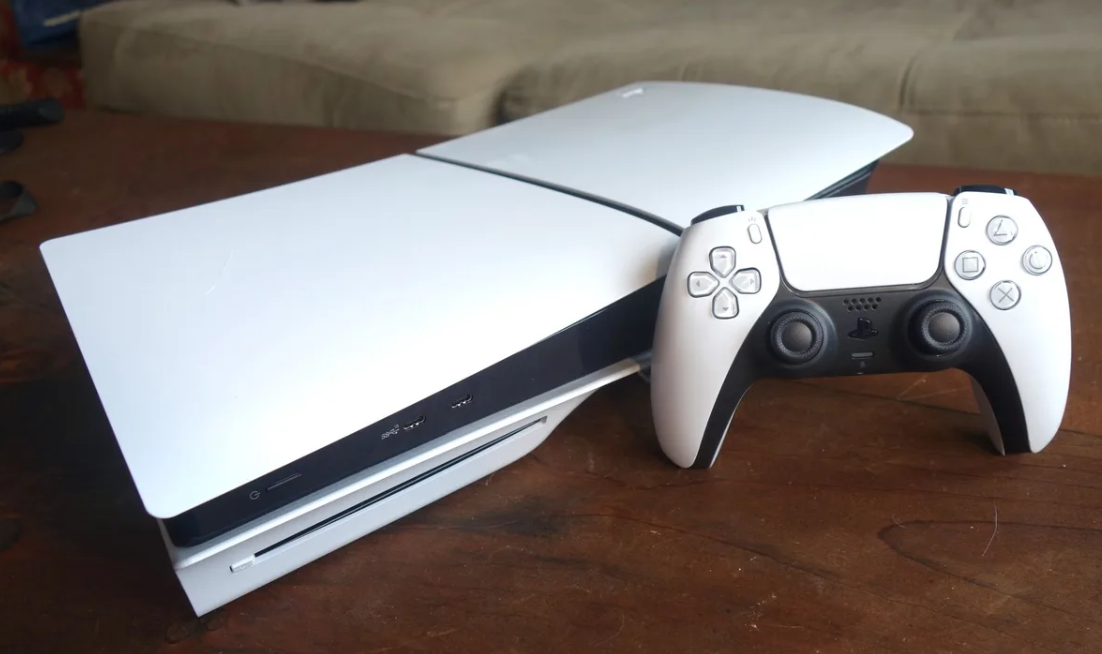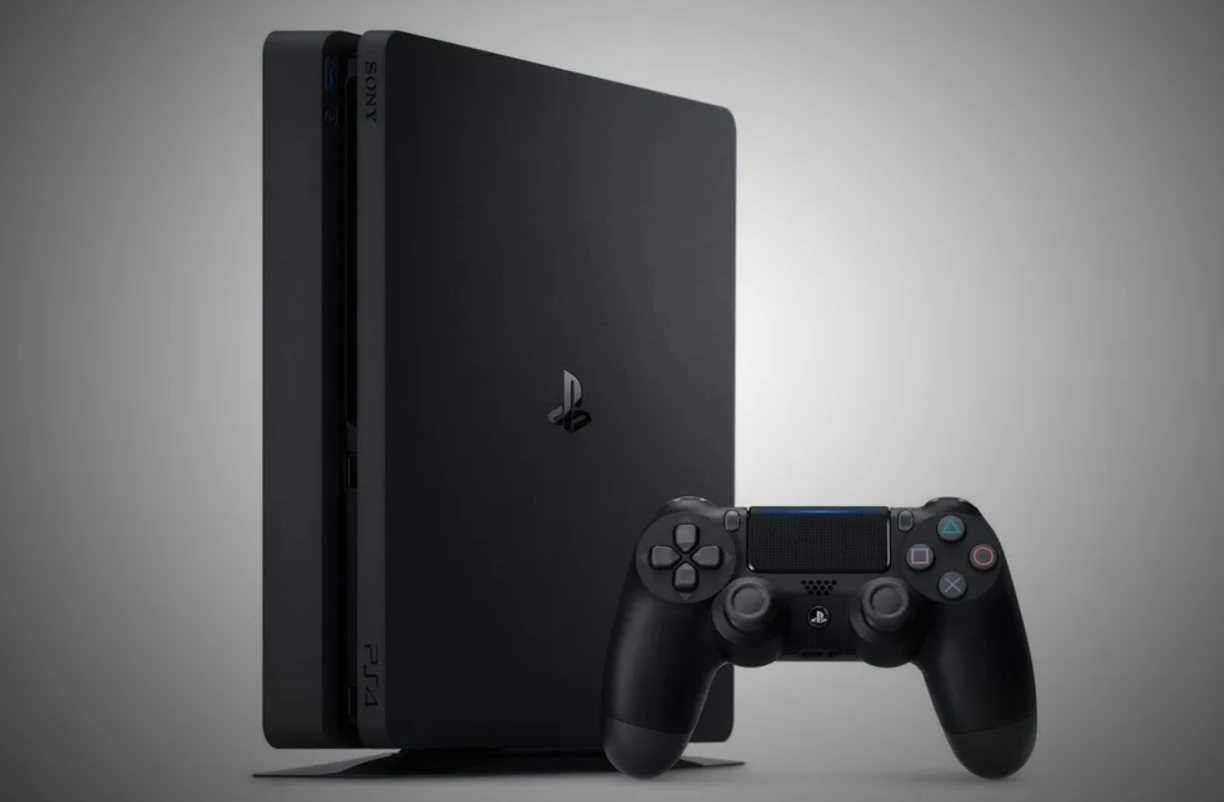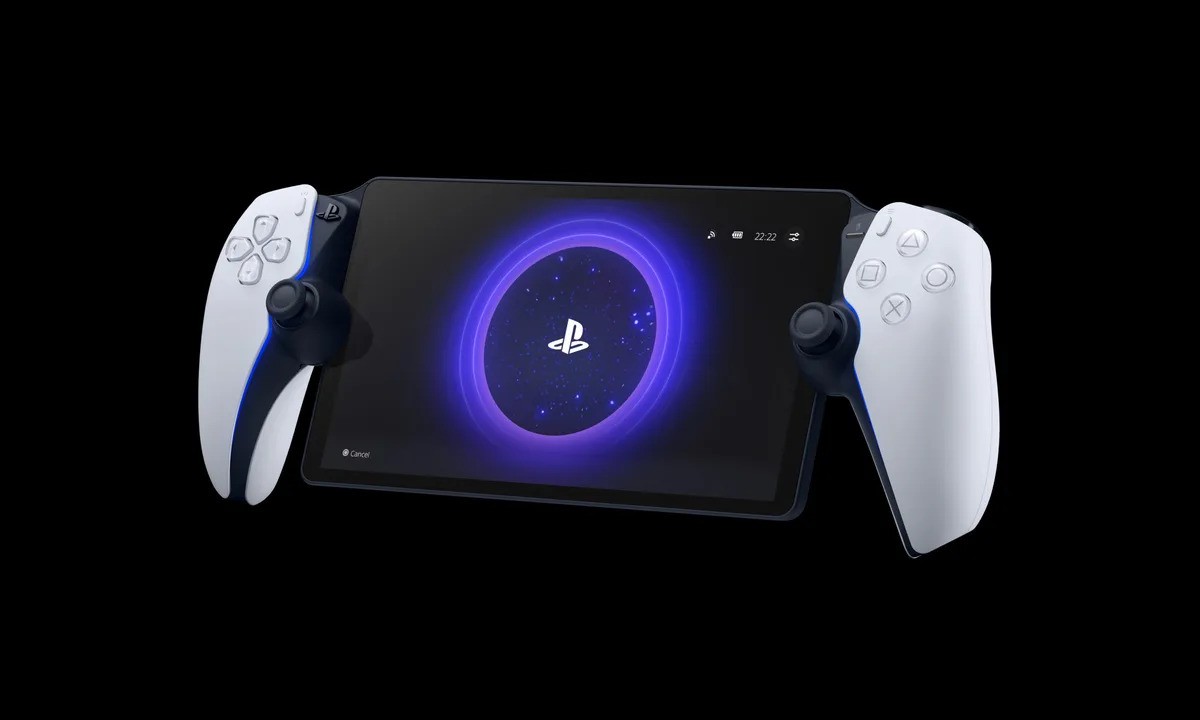
Sony continues to dominate the current console generation with the PlayStation 5, but attention is already beginning to shift toward what comes next. The PlayStation 6 may still be a few years away, yet reports suggest it could enter manufacturing around 2027, setting up a potential late-year launch. What makes those rumors especially interesting is the growing chatter around a possible handheld component tied to Sony’s next system.
That idea alone signals a shift in thinking. Sony has explored portable gaming before, most notably with the PSP and later the PlayStation Vita. This time, however, the landscape looks nothing like it did a decade ago. With the success of devices like the Nintendo Switch and PC-based handhelds such as the Steam Deck, portable gaming has evolved into something far more ambitious than a companion device for short sessions on the go.
Sony appears to be paying close attention.
After Nintendo reshaped expectations with the original Switch and expanded that vision with its successor, the industry has seen a surge of handheld hardware that can run console-quality games. The Switch proved that players were more than willing to trade raw power for flexibility, and the Steam Deck showed that PC-class gaming could be squeezed into a portable form factor without losing its appeal.
Sony stepping back into this space would not mean copying that formula outright. Few expect the PlayStation 6 to be a full hybrid system in the same sense as the Switch. Instead, the smarter play would be something that complements a traditional home console rather than replaces it.
To understand why that matters, it helps to look back.
A very different era for handheld gaming
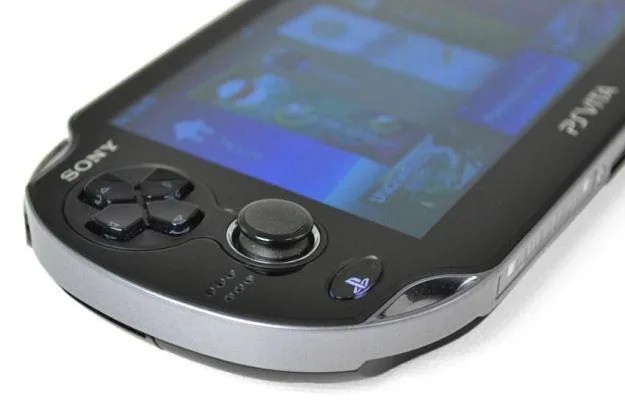
The original PlayStation Portable arrived in 2004 and quickly built a loyal following. It delivered experiences that felt remarkably close to home-console games at the time, and for many players, it became a staple device. Titles like Tony Hawk’s Underground 2 Remix and Def Jam Fight for NY showed just how far portable gaming could go.
When the PlayStation Vita launched years later, Sony followed a similar strategy, but the world had changed. Smartphones had become ubiquitous, app stores were overflowing with games, and mobile entertainment no longer felt like a novelty. While the Vita was powerful and featured impressive hardware for its era, it struggled to carve out a clear identity in a market that had already shifted.
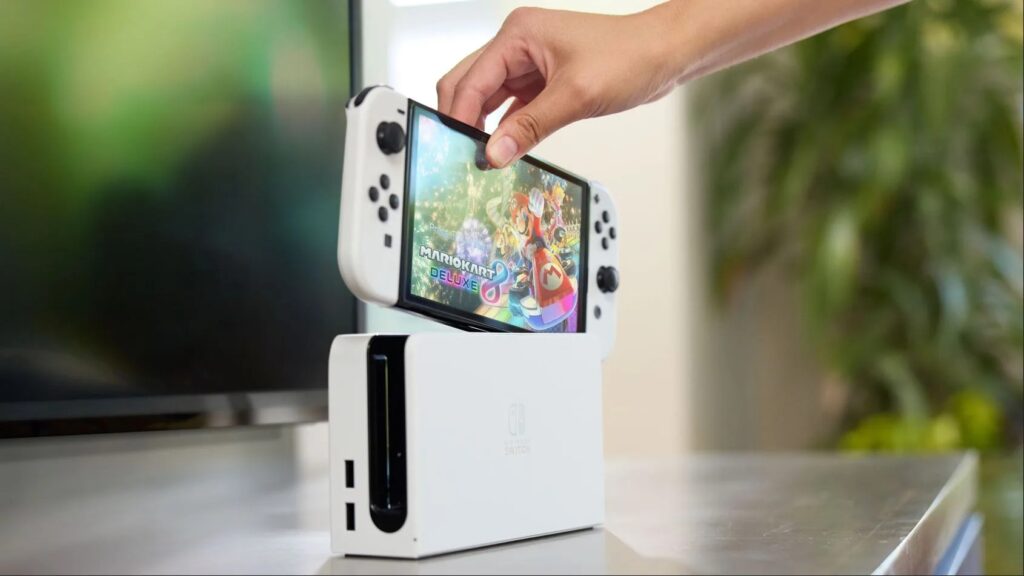
Nintendo eventually solved that problem by blending home and portable gaming into a single device. The Switch removed the friction of choosing between a handheld and a console, letting players carry the same games wherever they went. That balance proved compelling, and it is one reason Nintendo continues to thrive in a space it helped redefine.
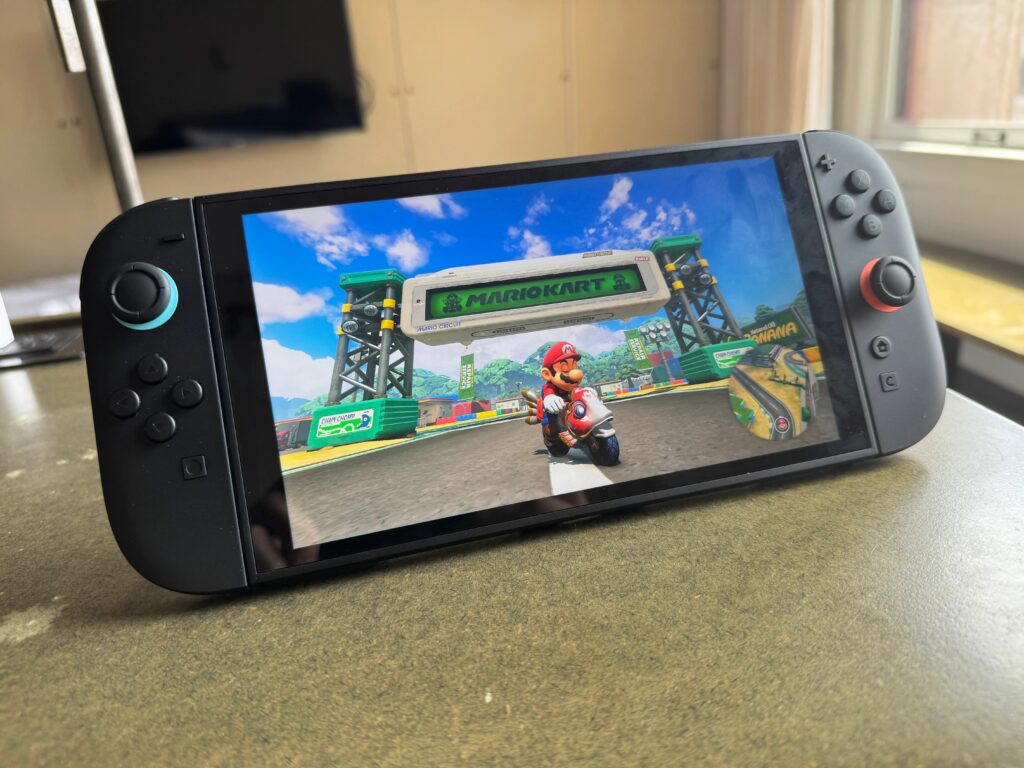
The latest Nintendo hardware builds directly on that concept. With more powerful internals and modern features, the platform now faces competition not only from traditional consoles but also from a growing lineup of handheld PCs that offer similar flexibility.
The current state of play
Today’s gaming ecosystem is far more cyclical. Portable devices are once again pushing performance boundaries, and efficiency has become just as important as raw power. Manufacturers like Asus, Lenovo, and MSI are all racing to squeeze more performance into compact designs without destroying battery life.
Sony is uniquely positioned to compete in that environment. The company has already demonstrated its willingness to experiment with hardware refreshes, most recently with the PlayStation 5 Pro. It also maintains a close partnership with AMD, which continues to drive improvements in upscaling and power efficiency across modern consoles.
That partnership could be especially relevant if Sony introduces a handheld tied to the PlayStation 6 ecosystem. Recent reports from industry leakers suggest that Sony’s push toward low-power operating modes may not be accidental. Instead, it could be laying the groundwork for software that scales seamlessly between a home console and a portable device.
The idea would not be to create exclusive handheld-only titles that fragment the player base. Doing so with major franchises like God of War or Horizon would likely cause backlash. A more appealing option would be offering the same core PlayStation 6 experiences, with the ability to continue playing them on a smaller device when away from home.
That philosophy mirrors what many players already accept with handheld PCs. Games may not run at maximum settings on a portable device, but cloud saves and cross-progression make the compromise worthwhile.
Learning from what already exists
Sony arguably already has a glimpse of what this future could look like. The PlayStation Portal, while limited to streaming PS5 games rather than running them natively, introduced a comfortable form factor, a clean interface, and tight integration with the PlayStation ecosystem. More recently, Sony expanded its functionality by allowing direct game streaming without requiring a console connection, signaling continued interest in portable experiences.
Turning something like that into a true handheld capable of native gameplay would be a significant leap, but not an impossible one. Sony has a history of adopting formats that initially seem risky, from embracing Blu-ray with the PlayStation 3 to refining mid-generation upgrades in the current era.
Storage, however, remains a potential stumbling block.
Avoiding old mistakes
One of Sony’s biggest challenges with past handhelds was its insistence on proprietary storage solutions. Both the PSP and Vita relied on expensive memory formats that frustrated players and limited adoption. That approach would be far harder to justify today.
Modern handheld devices commonly rely on microSD cards, and while there has been some criticism of newer standards like microSD Express, availability and pricing are still far more consumer-friendly than the proprietary solutions of the past. Sony has already shown flexibility in this area by allowing expandable storage on the PlayStation 5 using standard drives.
If a future PlayStation handheld embraces similar openness, it could avoid one of the biggest issues that plagued earlier efforts. Giving players the freedom to choose their own storage options would align better with current expectations and remove a major barrier to entry.
The broader picture suggests Sony has learned from both its successes and missteps. The company understands that portable gaming is no longer about novelty. It is about continuity, convenience, and making sure players can access their games wherever they are without feeling like they are settling for less.
Whether the PlayStation 6 ultimately launches with a dedicated handheld or simply lays the foundation for one, Sony has more reference points than ever before. This time, inspiration does not have to come solely from the Vita. It can come from competitors, partners, and an industry that has clearly shown what players want from portable gaming today.