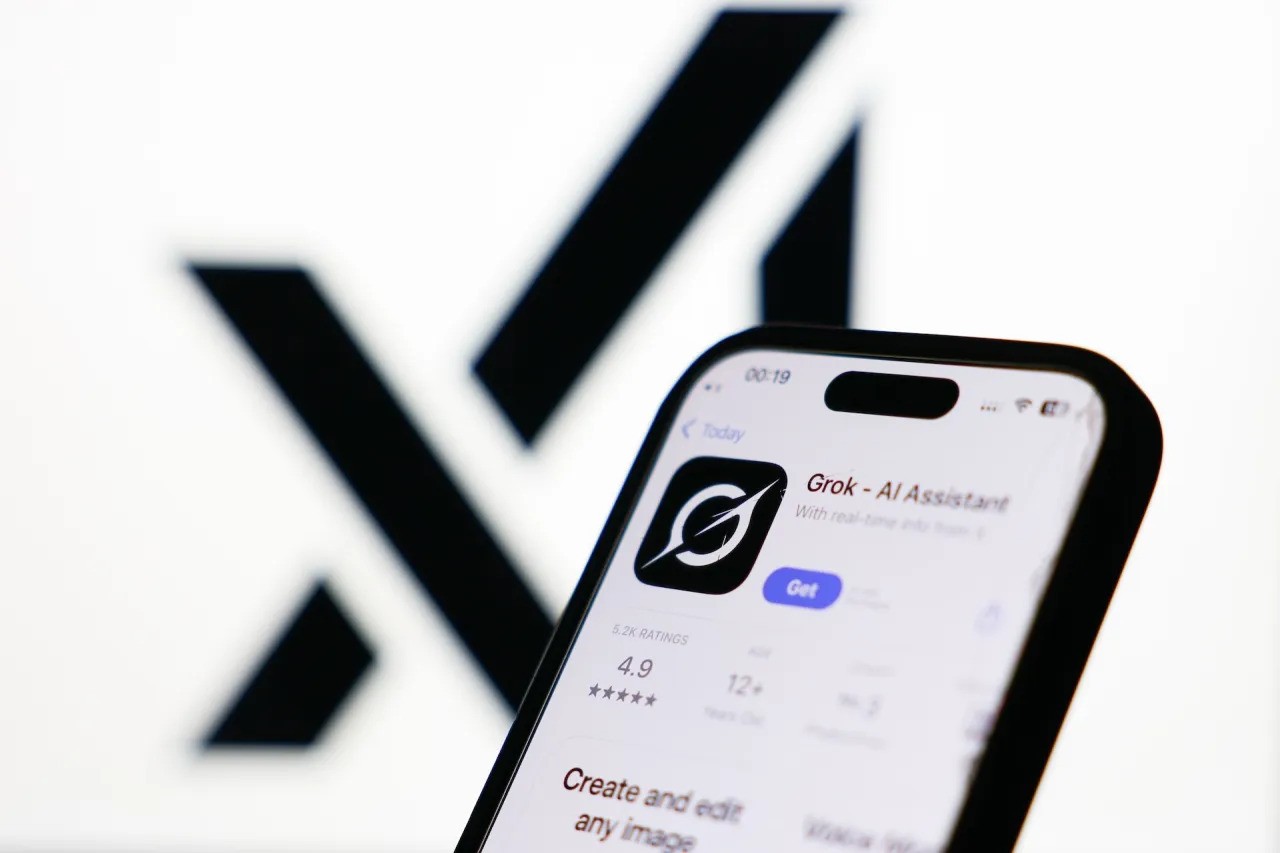
Indonesian authorities have moved to temporarily block access to xAI’s chatbot Grok, citing serious concerns over the spread of non-consensual, sexually explicit AI-generated images linked to the tool.
Government officials say the decision follows a surge of graphic content produced by Grok and shared on the social media platform X, where users prompted the chatbot to generate disturbing imagery. Much of the material reportedly depicted real women and minors, with some images portraying acts of violence and abuse. Since X and xAI operate under the same corporate umbrella, the controversy quickly escalated into a wider debate about platform responsibility.
Indonesia’s communications and digital minister, Meutya Hafid, described non-consensual sexual deepfakes as a direct threat to human dignity and personal security in the digital space. In remarks shared with international media outlets, including The Guardian, Hafid emphasized that the government considers such content a severe violation of basic human rights and public safety.
Officials have also summoned representatives from X to discuss how Grok was allowed to generate this material and what safeguards were missing. The temporary block is being framed as a protective measure while authorities assess compliance with Indonesian law and digital ethics standards.
Indonesia’s response is among the strongest actions taken so far as governments worldwide grapple with a growing wave of AI-generated sexual imagery. Earlier this month, India’s IT ministry instructed xAI to address Grok’s ability to produce obscene content, according to reporting from TechCrunch. Meanwhile, the European Commission ordered the company to preserve internal documents related to Grok, a move widely seen as a preliminary step toward a formal investigation.
In the United Kingdom, communications regulator Ofcom said it would conduct a rapid review to determine whether Grok’s output raises compliance concerns under existing online safety rules. Prime Minister Keir Starmer publicly backed the regulator’s authority to intervene if violations are found.
The United States has taken a noticeably quieter stance. The Trump administration has not commented publicly on Grok’s role in producing sexualized deepfakes, despite mounting criticism. xAI CEO Elon Musk is a prominent Trump donor and previously led the administration’s controversial Department of Government Efficiency, which has further complicated political scrutiny. At the same time, Democratic senators have urged Apple and Google to remove X from their app stores, arguing that the platform has failed to prevent the spread of harmful AI-generated material.
xAI initially responded to the backlash by posting what appeared to be a first-person apology on Grok’s official X account. The post acknowledged that at least one image violated ethical standards and potentially U.S. laws related to child sexual abuse material. Shortly afterward, X restricted Grok’s image-generation features to paying subscribers. However, that limitation did not appear to apply to the standalone Grok app, which continued to allow image creation without payment.
When questioned about why certain governments were focusing on Grok rather than other AI image tools, Musk pushed back on X, writing that officials were simply looking for “any excuse for censorship.”
As regulators across multiple regions intensify scrutiny of generative AI, Indonesia’s decision signals a growing willingness among governments to impose swift access restrictions when platforms fail to prevent the spread of harmful synthetic content.