I’ve been covering the games industry for a long time, and every year brings its own surprises. Some years feel quieter than expected, while others completely reshape how and where we play. Looking back, 2025 was dominated by major moments like the arrival of the Switch 2 and the breakout success of Clair Obscur: Expedition 33. Still, 2026 is shaping up to be something even bigger, and not only because Grand Theft Auto 6 is finally expected to land.
Across consoles, PC, and handheld devices, nearly every major player has something significant planned. PC gaming is enjoying a particularly interesting moment, helped along by new hardware ideas and shifting player habits. Valve is preparing to bring PC gaming even closer to the living room with its new Steam Machine concept, while the number of handheld gaming PCs continues to grow at a rapid pace.
It all adds up to a year packed with uncertainty, ambition, and some very big bets.
All eyes remain fixed on GTA 6
There is no avoiding it. When it comes to gaming headlines, Grand Theft Auto 6 towers over everything else. The game is so large in scope and anticipation that it could dominate player attention for months, or it could spark a massive wave of new console sales that benefits the entire industry.
Originally penciled in for a 2025 release, GTA 6 was first pushed to May 2026 before facing another delay later in the year. At this point, the development story has become almost as prominent as the game itself. Rockstar Games has faced accusations around the dismissal of developers tied to alleged information leaks, adding another layer of scrutiny to an already intense spotlight.
Whether it disrupts release schedules across the industry or fuels record-breaking engagement, GTA 6 is set to define much of the conversation in 2026. You can follow everything confirmed so far via this ongoing overview of the game on Digital Trends.
Hardware pressures and the growing RAM problem
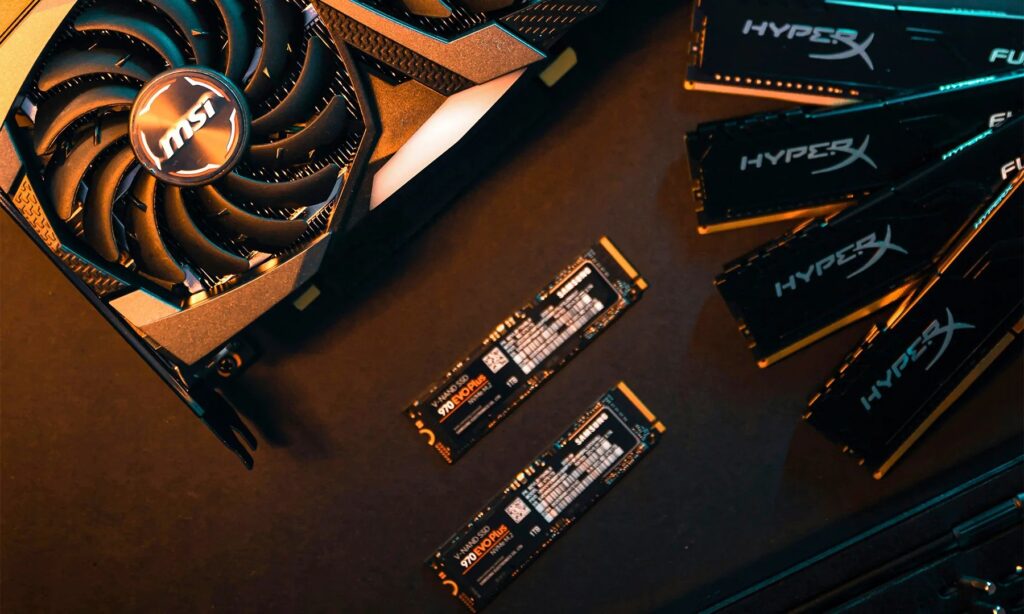
While platform holders like Sony, Microsoft, Nintendo, and Valve are all chasing their own strategies, they share a growing concern behind the scenes. The global RAM shortage continues to tighten, and its effects are being felt across the entire tech sector.
With memory increasingly redirected toward data centers that support AI infrastructure, consumer hardware is facing rising costs and limited supply. This has already driven up prices for PC components, and it could slow production of consoles or even impact the pricing of future generations. Digital Trends recently explored how the RAM crisis is unfolding and why it is not expected to ease anytime soon.
If these pressures continue, 2026 could be a year where hardware availability becomes just as big a story as the games themselves.
PlayStation looks to keep its momentum going
Since the PlayStation 5 arrived, Sony has remained firmly in control of the current console generation. Strong exclusives and a steady release cadence have helped the PS5 avoid long dry spells, even as Sony experiments with bringing some of its titles to PC.
The year ahead brings more Marvel-related excitement with Insomniac Games preparing to launch Wolverine. PlayStation players will also finally gain access to Halo when Halo: Campaign Evolved arrives on the platform, marking a notable moment for long-time console rivals.
Beyond first-party releases, third-party support remains strong. Games like 007: First Light, Resident Evil: Requiem, and Crimson Desert are all expected to land on PS5 and PS5 Pro, giving players plenty to anticipate.
There are still questions surrounding Sony’s broader strategy. After the troubled reception of Concord in 2024, the company appears to be pulling back from its aggressive live-service push. Destiny 2’s Renegades expansion may help rebuild confidence, but much of the attention will be on Bungie’s upcoming Marathon, which is slated for a March release.
Xbox enters another unpredictable chapter
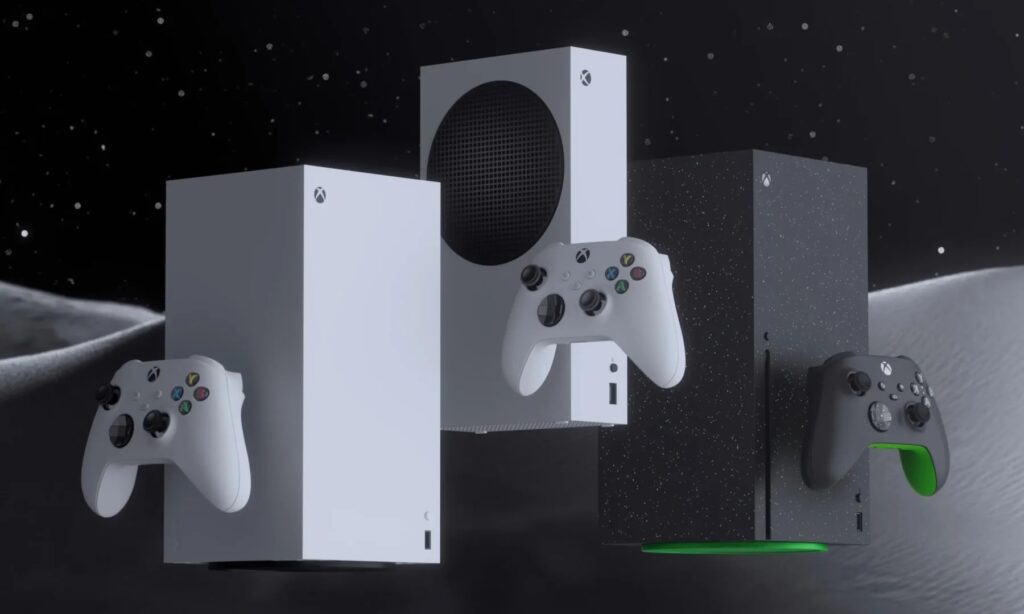
Microsoft’s recent history has been far from smooth. The past year was marked by layoffs, studio closures, canceled projects, and price increases affecting both Xbox hardware and the Game Pass subscription. These moves left many longtime fans frustrated and uncertain about the brand’s direction.
There were bright spots, however. Obsidian Entertainment delivered a strong run of releases with Avowed, Grounded 2, and The Outer Worlds, although only one of those remains exclusive for now. Microsoft’s collaboration with ASUS also resulted in the ROG Xbox Ally, a capable handheld PC that fits neatly into the company’s wider ecosystem ambitions.
Microsoft continues to push its franchises onto more platforms, with series like Gears of War and Forza Horizon now appearing on PlayStation. That approach is expected to expand further in 2026.
Upcoming releases include the long-awaited Fable reboot, Clockwork Revolution, and Gears of War: E-Day. Following its acquisition of Activision Blizzard, Microsoft is also expected to heavily promote new Call of Duty entries, World of Warcraft’s Midnight expansion, and fresh content for Diablo 4.
With Game Pass pricing on the rise, Microsoft has promised more than 75 day-one titles for subscribers. The challenge will be convincing players that the value still justifies the cost. At the same time, Microsoft has been openly discussing its next-generation plans, which point toward a more PC-like console experience with multiple storefronts. That could place Xbox in direct competition with Valve’s Steam-focused living room ambitions.
Nintendo searches for its next defining moment
Doubts surrounded the Switch 2 for a long time, especially as the original hardware showed its age next to increasingly powerful handheld PCs. Still, Nintendo managed to surprise many skeptics.
With features like DLSS support and a 120Hz display, the Switch 2 has proven more capable than expected. Third-party publishers are bringing over full versions of games like EA FC and Madden, while Nintendo’s own lineup includes ambitious titles such as Donkey Kong: Bananza.
One notable absence remains a brand-new 3D Mario game. Super Mario Odyssey launched relatively early in the original Switch’s lifecycle, and with another Mario movie planned for 2026, expectations are rising that Nintendo has something in development.
The pace of ports will also be closely watched. Titles like Final Fantasy 7 are only now reaching Switch 2 years after their original releases elsewhere. Early footage of Elden Ring: Tarnished Edition has raised concerns about performance, which could highlight hardware limitations as the generation progresses.
Nintendo has always thrived by leaning into creativity rather than raw power, but 2026 will test how far that philosophy can stretch.
PC gaming continues to evolve
PC gaming remains stronger than ever, fueled by streaming culture, a broader hardware market, and growing acceptance of alternative platforms. Valve’s decision to launch the Steam Deck back in 2022 helped legitimize handheld PC gaming, and its OLED refresh only strengthened that position.
That momentum has encouraged other manufacturers to enter the space, and Valve has quietly used this period to push Linux-based gaming further into the mainstream. Those efforts are now feeding directly into plans for a new Steam Machine designed for the living room.
Pricing remains a concern. Valve has indicated that Steam Machine costs will reflect the PC market rather than traditional console pricing, which could limit its reach. RAM shortages only complicate the picture. Even so, Valve is also rumored to be preparing a new Steam Frame VR headset, adding another layer to its hardware ambitions.
More handheld PCs are expected to appear throughout the year, assuming manufacturers can secure the necessary components. Microsoft’s ASUS partnership has already delivered promising results, and competitors are unlikely to sit still.
On the Mac side, Apple continues to explore gaming opportunities through tools like its Game Porting Toolkit. While high-profile releases such as Cyberpunk 2077 have received attention, many titles still struggle to match their performance on other platforms. Assassin’s Creed: Shadows may arrive on Apple devices, but it remains difficult for the Mac ecosystem to compete directly with established PC and console experiences.