Opening your first retail store is an exciting step, but it is also one that requires careful planning and realistic expectations. A successful launch is rarely accidental. It comes from putting the right systems, people, and protections in place before customers ever walk through the door.
Retail remains competitive, even as shopping habits continue to evolve. While online commerce has grown rapidly, physical stores still play a meaningful role in how people discover products and connect with brands. Starting strong helps reduce early setbacks and gives your business a better chance to grow with confidence.
This guide walks through the most important areas to focus on before opening day, from mindset and legal protection to staffing, vendors, and marketing.
Believe in Your Mission
Much of today’s retail activity happens online, but that does not mean physical stores are disappearing. In fact, several industry observers argue that in person shopping still holds strong appeal, especially for customers who value experience, service, and community. Publications like The New York Times have explored how brick and mortar locations continue to adapt and remain relevant in modern retail landscapes.
Many shoppers actively choose to support local businesses. They enjoy personal interactions, curated selections, and the feeling of contributing to their local economy. Let that awareness reinforce your motivation rather than fuel doubt.
It is common for new business owners to worry about long term relevance, particularly during periods of economic uncertainty. However, a lack of confidence can quietly undermine even the best ideas. Operating with belief in your vision helps you make clearer decisions and remain resilient when challenges arise.
Launching a retail store requires stamina. There will be unexpected delays, learning curves, and pressure points. Confidence in your mission helps you move forward when momentum slows and obstacles appear.
Gain Appropriate Insurance
Every retail business carries legal and financial responsibility. Protecting customers, employees, and physical assets should never be an afterthought.
Before opening your doors, it is essential to have proper insurance coverage in place. This provides more than compliance. It gives peace of mind and allows you to focus on running your store instead of worrying about worst case scenarios.
Many providers offer bundled retail store insurance that includes general liability, workers’ compensation, and commercial property coverage in a single package. Services like Next Insurance outline options designed specifically for retail environments, helping business owners manage risk without unnecessary complexity.
Professional liability insurance can also be valuable, especially if your staff provides advice or handles customer specific requests. Even well trained employees can make mistakes, and coverage helps protect your business if issues arise.
Retail stores often experience high foot traffic, which increases the likelihood of accidents or property damage. Slips, broken fixtures, or damaged merchandise are not uncommon. Having the right policies in place ensures that these incidents do not become financially overwhelming.
Strengthen Vendor Relations
No retail store operates in isolation. Vendors play a critical role in inventory availability, pricing stability, and overall customer satisfaction.
Strong vendor relationships help reduce supply disruptions and improve reliability during your launch phase. Paying invoices on time is one of the simplest ways to build trust. Clear communication and consistency in expectations also go a long way.
Referring vendors to other professionals in your network can strengthen partnerships further. Mutual support often leads to better terms, faster response times, and long term collaboration.
To enhance your reputation within the industry, some retailers work with a retail tech PR agency to support brand positioning and professional communication. This can be particularly useful if your store incorporates innovative technology or digital systems that differentiate it from competitors.
Before opening day, ensure your vendors understand your priorities and timelines. A smooth launch depends heavily on having the right products available when customers arrive.
Have an Online Counterpart
Launching a retail store without an online presence is increasingly risky. Even businesses focused entirely on in person sales benefit from a strong digital footprint.
A website helps customers find essential information such as store hours, location, contact details, and upcoming promotions. It also creates credibility. Many shoppers check online before visiting a physical location.
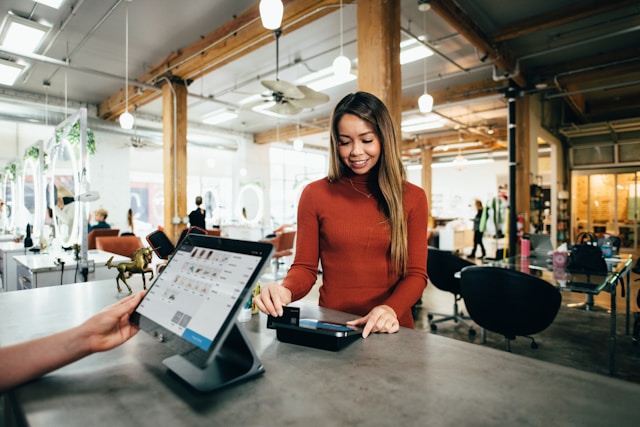
Your site can include digital payment options, product previews, staff introductions, and launch countdowns to build anticipation. Platforms like Sekure Merchants explain how digital payment solutions can support both online and in store transactions seamlessly.
Social media presence is equally important. Consistent updates, behind the scenes content, and community engagement help shape your brand identity before your doors open. These channels allow customers to feel familiar with your store long before their first visit.
An accessible online presence also makes it easier for customers to ask questions, share feedback, and stay connected with your brand over time.
Recruit and Support Staff
Your team plays a major role in shaping customer experience from day one. Hiring the right people before opening sets the tone for how your store is perceived.
Look for individuals who are approachable, attentive, and comfortable engaging with customers. Positive body language, clear communication, and genuine enthusiasm matter just as much as technical skills.
Retail operations extend beyond the sales floor. Inventory handling, warehousing, and logistics often require dedicated attention. Reports from outlets like CNN have highlighted how difficult it can be to fill warehouse and support roles, making early planning especially important.
Offering benefits or small perks before opening can help attract committed employees who see long term potential in your business. A supportive work environment encourages staff loyalty and improves consistency during the crucial early months.
When employees feel valued and prepared, they are more likely to deliver the kind of service that keeps customers coming back.
Market Effectively
Marketing your grand opening should begin well before launch day. Visibility builds familiarity, and familiarity builds trust.
Start by sharing your plans within your personal and professional networks. Friends and family can help spread awareness through word of mouth and social media sharing, especially during the early stages.
Creating SEO optimized content that explains your store’s purpose, products, and story helps attract organic interest. Local advertising, flyers, and posters can also be effective, particularly in nearby neighborhoods.
Some retailers choose to list their openings on platforms like Openings24, which highlight new store launches across the United States and help attract early foot traffic.
Focus on what makes your store different. Many retail startups aim to redefine shopping experiences, as discussed in features by Forbes that explore how new brands challenge traditional retail models. Highlight innovation, personality, and customer experience in your promotional materials.
Physical stores thrive on human connection. Emphasize warmth, authenticity, and creativity in your messaging so your launch does not get lost among louder competitors.