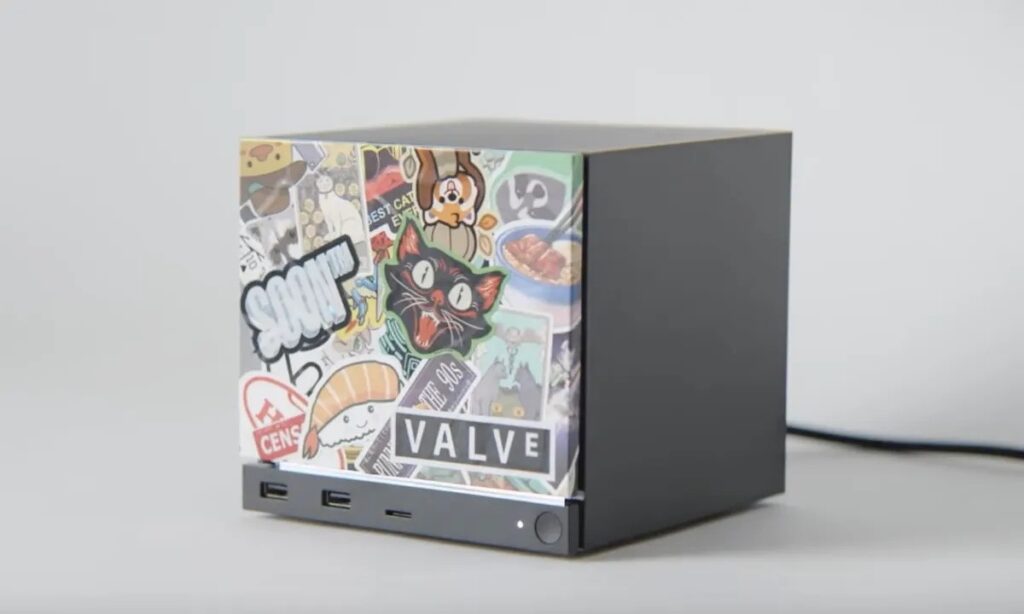
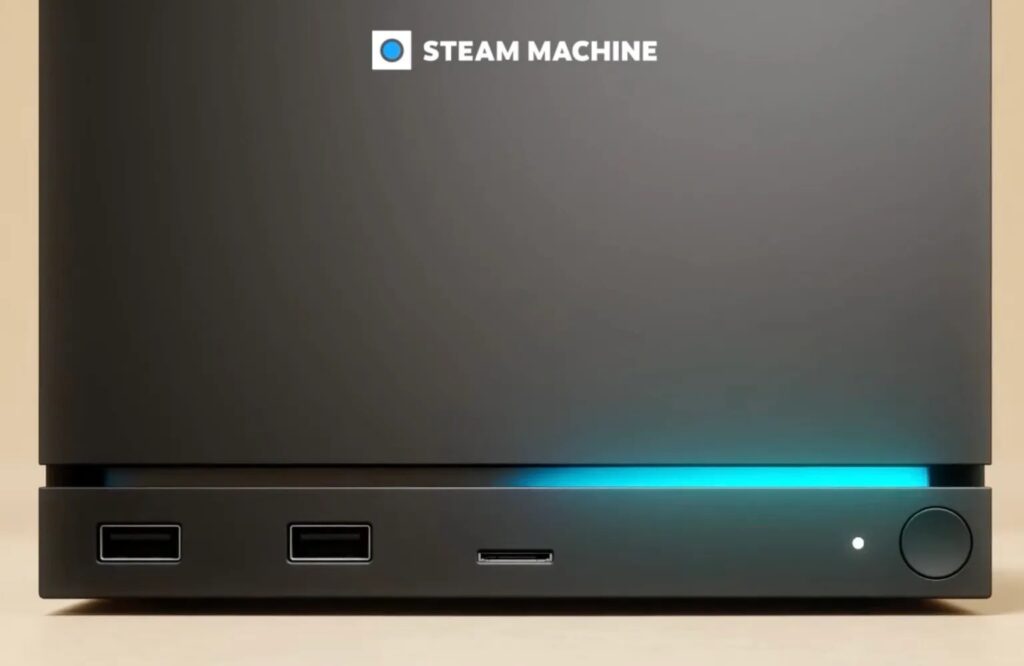
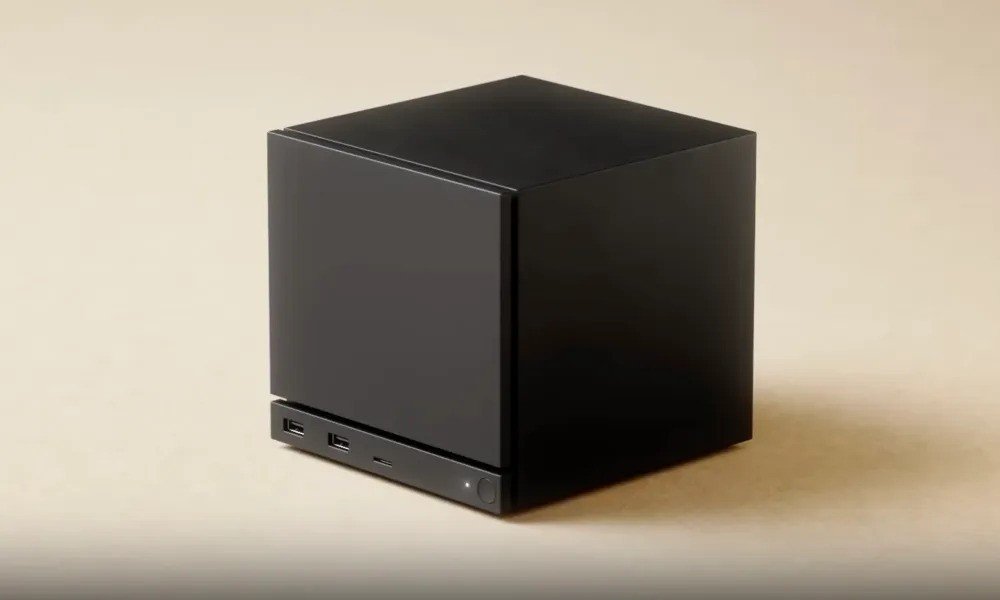
Valve’s return to the living room feels both nostalgic and refreshingly bold. After the original Steam Machines fizzled out years ago, the company found its sweet spot with the Steam Deck. Now Valve is circling back with a new Steam Machine that blends console simplicity with PC flexibility. It looks like a gaming console, carries a slick LED strip, and yet, Valve insists it’s still very much a PC built for you to customize and use however you want. “Install your own apps or another operating system” is the tone of freedom that defines this device, something Valve even reinforced in its initial unveiling covered by Digital Trends.
What’s clear is that Valve isn’t chasing one category. It’s coming for console owners who want the ease of couch gaming and PC gamers who want fewer headaches. The company is pitching a platform that allows you to move between entertainment and productivity without feeling like you’re switching devices. It’s a shot at unifying two worlds that have long remained separate.
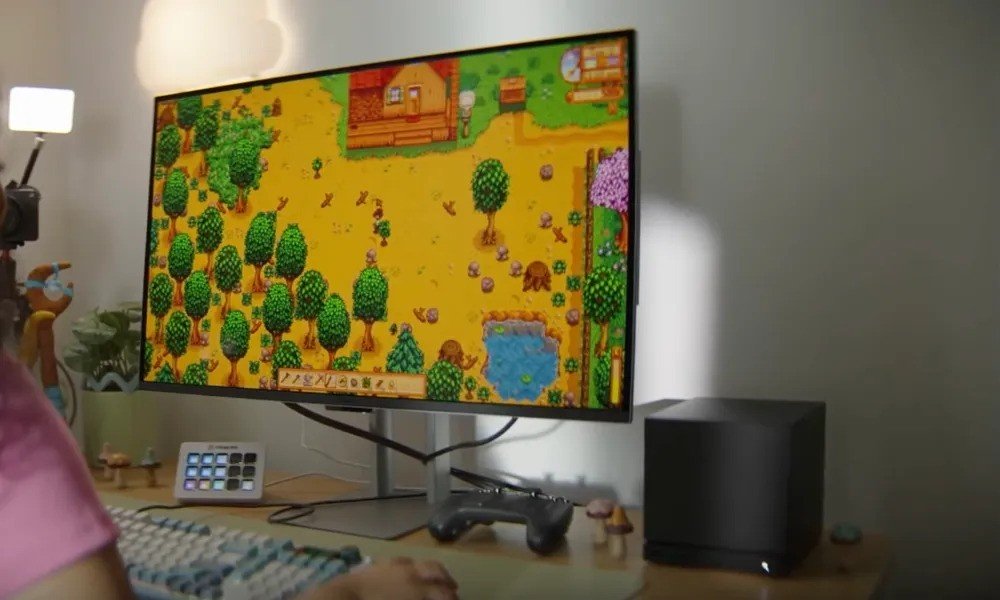
PC gaming isn’t cheap anymore and rising component costs, tariffs, and supply chain instability haven’t helped. Valve is positioning Steam Machine as an answer to the budget problem. Although pricing hasn’t been revealed, Valve’s Yazan Aldehayyat hinted in an interview with IGN that it aims to land in the entry level tier while still delivering solid value. Pierre Loup Griffais added in a conversation with The Verge that it’s designed to compete with what you could build yourself from individual parts.
When you look at what Valve seems to consider an entry level gaming PC today, the numbers fall somewhere near 800 to 900 dollars. Go up the performance ladder and you cross 1,200 dollars quickly, especially if you care about ray tracing and stable high frame rates. That’s no small gap when the PlayStation 5 Pro sits around 750 dollars and the Xbox Series X hovers near 650 dollars. But comparing Steam Machine against those consoles doesn’t quite work because Valve’s box wants to play PC titles without requiring you to deal with the complexities of a full Windows environment. It runs SteamOS, although you can install Windows if you prefer.
Valve’s strategy suggests the company wants this machine to handle most modern Steam titles with the fluidity of a decent budget gaming PC. That puts expectations in a clear lane because the baseline for comfortable 1080p gaming today requires more horsepower than it did a few years ago. If Valve can recreate the same value trick it pulled off with the first Steam Deck, Steam Machine might push competitors to rethink their living room strategies.

A big part of the appeal here isn’t just price. It’s the convenience. Building a gaming PC sounds fun until you’re deep in the weeds comparing CPUs, GPUs, TDP limits, VRAM sizes, cooling solutions, PCIe compatibility, power supplies, and the never ending driver rabbit hole. Even seasoned gamers struggle to pick between AMD and Nvidia or whether an older GPU is a smarter buy than a newer mid tier one. Valve wants to remove the guesswork entirely.
The Steam Machine lineup features a semi custom AMD design built around a Zen 4 CPU paired with an RDNA 3 based graphics solution. You get eight gigs of graphics memory, a hexa core processor, and performance that roughly mirrors hardware like the Ryzen 5 and Radeon RX 7600 on laptops. That tier is capable of running visually demanding titles like Cyberpunk 2077 at medium settings with FSR and ray tracing turned on, often at around 50 to 60 frames per second depending on the situation.
Make no mistake. This isn’t being pitched to hardware purists who would never accept upscaling or medium presets. This is meant for players who want to power up a game instantly from their couch without managing drivers, Windows pop ups, or endless tweaks. SteamOS is central to that. It removes the clutter and unpredictability that Windows still struggles with on gaming handhelds and smaller devices. The experience has been validated time and again by systems like Lenovo’s Legion Go S. By contrast, Windows based handhelds such as Asus ROG Ally have repeatedly been criticized for software quirks and inconsistent performance.
Independent tests have shown SteamOS often performs better than Windows on identical hardware, especially when it comes to consistency and stability. Even Microsoft continues to iron out issues related to Xbox integration and gaming optimization on Windows, which has pushed more players to appreciate how streamlined SteamOS can be.
The new Steam Machine also looks better than most pre built PCs. It’s compact, decorated with personality, and has the living room friendly polish of a traditional console. As for the long term potential, this is where things get especially interesting. Valve is coming into this with actual momentum. The original Steam Machines failed because SteamOS wasn’t mature enough and PC vendors weren’t sure how to adapt. In 2025, everything has changed. The Steam Deck proved SteamOS works in real world gaming conditions and AMD has repeatedly shown that it can supply reliable silicon across handhelds, consoles, and desktop grade systems.
Valve knows what it has now. That’s why companies like Lenovo chose SteamOS for their handhelds and why enthusiasts continue to port it onto desktops. Valve has openly acknowledged that it wants other brands to join this form factor. Pierre Loup Griffais even said in an interview with PC Gamer that the company expects a wave of OEMs to explore SteamOS powered living room machines.
There are still hurdles around drivers, especially with Nvidia and Intel GPUs. AMD is fully integrated and Lunar Lake support recently arrived, but Nvidia and Intel compatibility remains incomplete. Griffais said there’s a bit of catching up to do but didn’t shut the door on future support. Nvidia, now reportedly working on its own ARM based CPUs, represents a complicated wildcard for Valve’s vision.
The bigger picture is unmistakable. Valve wants Steam Machine to serve as a launchpad for a new category of PC gaming consoles built on SteamOS. If the company succeeds, other hardware makers could follow with premium versions powered by advanced Radeon RX 8000 or 9000 series GPUs. That’s the kind of machine that would finally let PC gamers have console style simplicity without missing out on the performance they crave.
Valve’s Yazan Aldehayyat described it as a system you could keep in your living room connected to your TV, yet still pull onto your desk for full mouse and keyboard gaming. The real question is whether players are willing to wait for the rest of the ecosystem to catch up and whether companies like Razer, Asus, and Lenovo will jump in.
A more powerful SteamOS console is something many gamers want. The timeline for that dream is the only part nobody can predict.