Apple is taking another major step toward turning the iPhone into a true all-in-one identity hub. The company has launched Digital ID in Apple Wallet, allowing people in the United States to securely store passport-based identification directly on their iPhone or Apple Watch. It is rolling out in beta, but the implications are significant for how people verify their identity at airports, businesses, and apps.
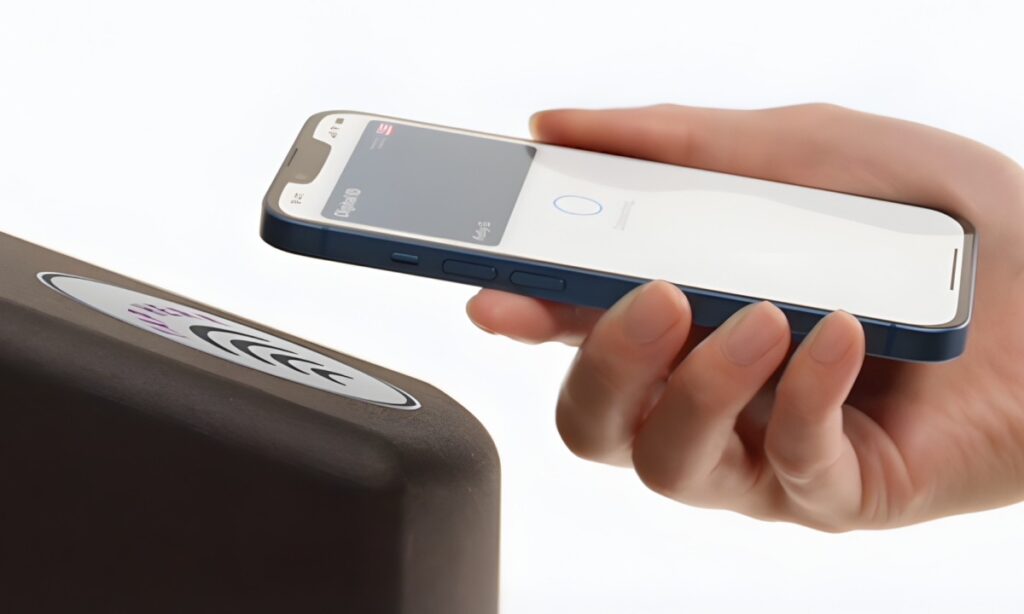
Digital ID builds on Apple’s push toward a more seamless identity ecosystem. By combining biometric authentication with encrypted ID storage, Apple is creating a system that could eventually make physical IDs feel outdated. According to Apple’s official newsroom announcement, users can already present their Digital ID at over 250 TSA checkpoints across U.S. airports for secure identity verification.
The setup process is designed to be simple and secure. Users scan the photo page of their passport, capture the embedded chip, upload a live selfie, and complete a few head or facial movements so the device can verify authenticity. Once added, the Digital ID can be accessed by double clicking the side or home button and confirming identity with Face ID or Touch ID.
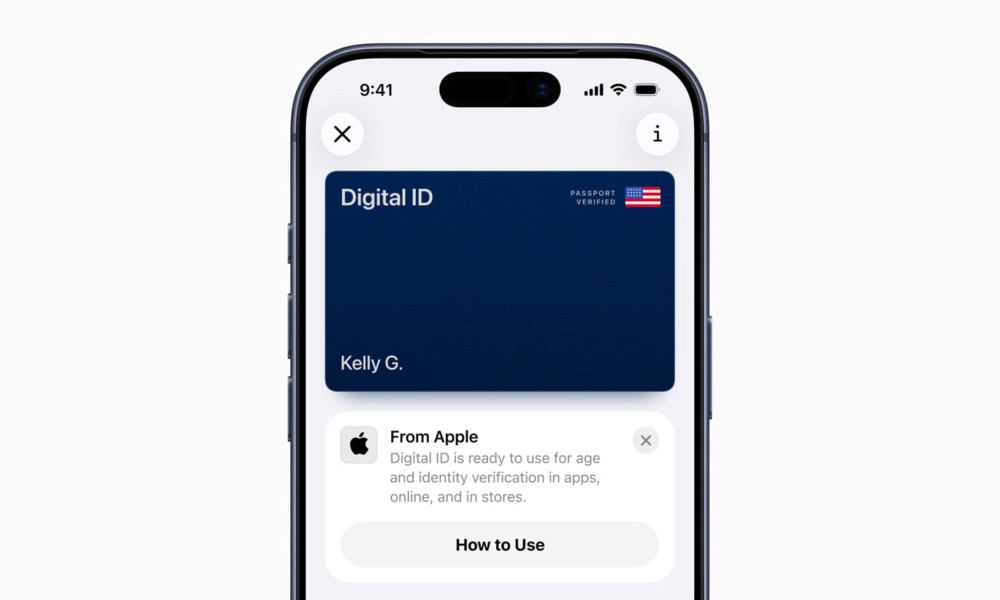
Apple emphasizes that every step of the process is encrypted, ensuring that identity data remains protected within the device’s secure enclave. The company links this new capability to its ongoing effort to provide privacy-first identity tools across its ecosystem.
The rollout follows Apple’s earlier introduction of digital driver’s licenses and state IDs in Wallet. With millions of iPhone owners across the U.S., the addition of passport-based IDs has the potential to accelerate broader adoption of digital-first identity systems across airports, e-commerce platforms, and third-party apps.
For everyday travelers, Digital ID streamlines a familiar friction point. Instead of juggling passports, licenses, or printed documents at airport checkpoints, users can now rely on a single device for identification. Apple states that the experience is both contactless and fast, with identity sharing only taking place after explicit authentication.
To use the feature, users need an iPhone 11 or newer running iOS 26.1, or an Apple Watch Series 6 or newer running watchOS 26.1. They must have two-factor authentication enabled and their device region set to the United States.
This update is also forward looking. Apple says Digital ID may soon be accepted at select businesses and organizations for age and identity verification, both in person and online. That could open the door to features like age-restricted purchases, digital check-ins, or secure logins without uploading photos or manually entering ID information.
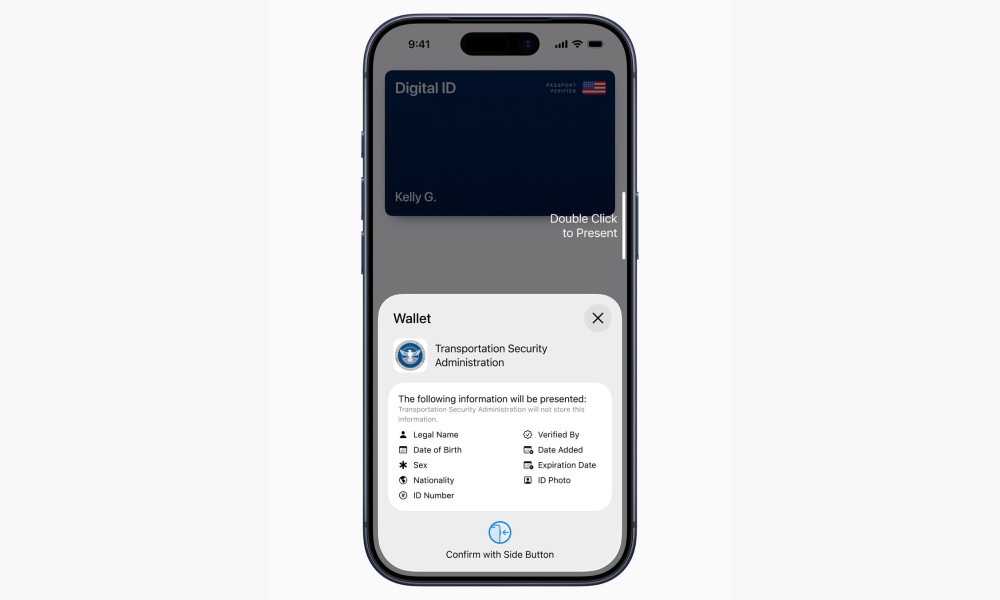
The company is also expected to expand APIs that allow government agencies and private platforms to integrate Digital ID authentication. That level of cross-platform cooperation could mark a significant shift in how identity verification works across the digital economy.
Apple clarifies that users still need to carry a physical passport for international travel. However, for domestic flights and future U.S. based digital verifications, the iPhone continues to strengthen its role as a secure digital wallet for both payments and identity credentials.