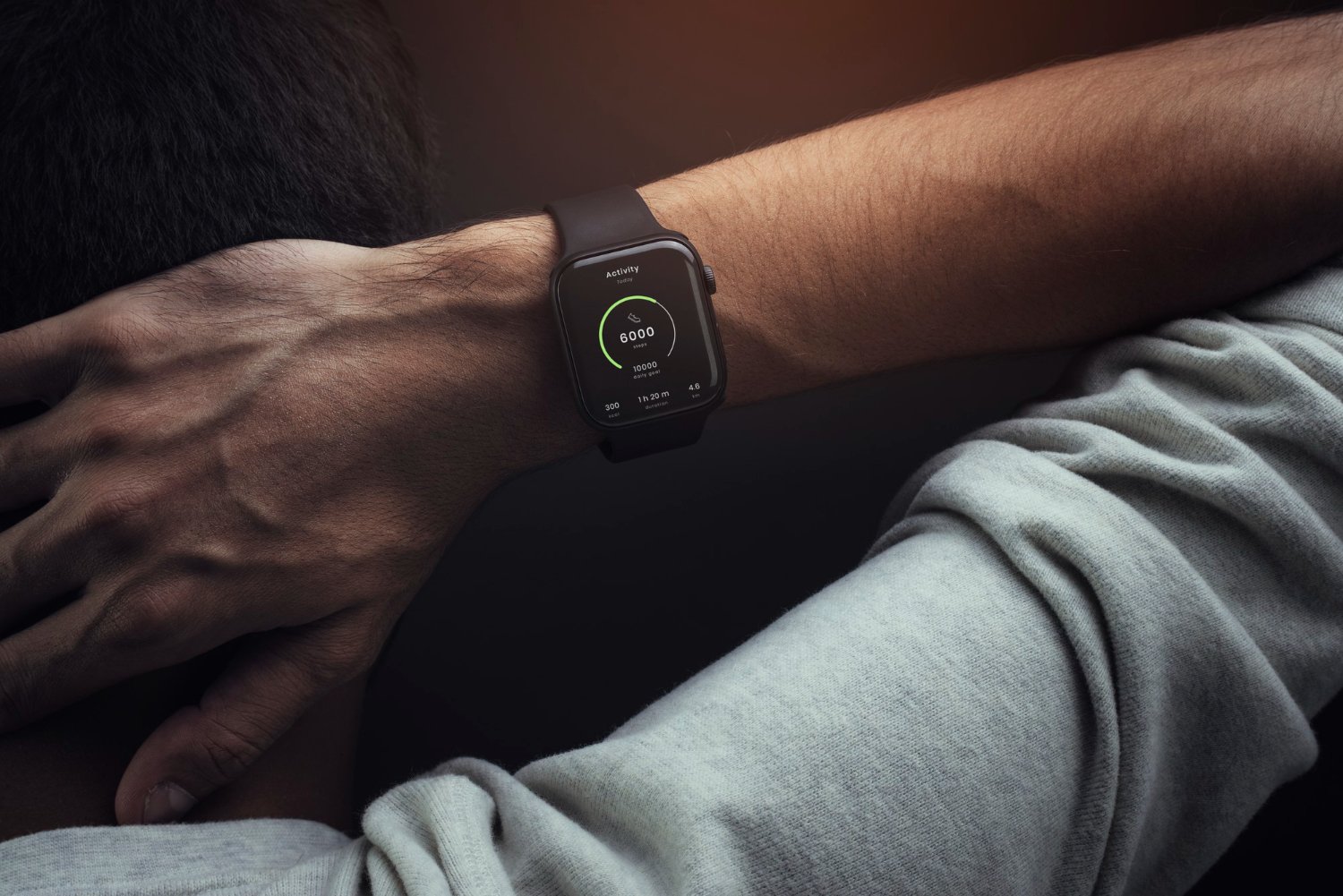
A new trade inquiry and a massive jury decision are putting Apple’s blood oxygen technology back in the spotlight. The Apple Watch, one of the company’s signature health devices, is once again facing the possibility of being blocked from entering the United States.
The US International Trade Commission has launched a fresh review that could restrict Apple’s ability to import updated Apple Watch models. The timing is striking because, on the exact same day, a California jury ordered Apple to pay Masimo 634 million dollars related to long-running claims involving blood oxygen monitoring technology.
The central question is whether Apple’s redesigned blood oxygen system still infringes Masimo’s patents. Regulators expect to finish their investigation within the next six months.
What triggered the new scrutiny
Jurors found that Apple Watch features like workout mode and heart rate alerts violate a Masimo patent that originally covered hospital monitoring equipment before expiring in 2022. Even though it is an older patent, the jury agreed that Apple still benefited from technology that was not theirs to use.
Apple has stated that it plans to appeal the ruling, calling the case meritless. Masimo, meanwhile, views the decision as a major validation of its intellectual property, which has been at the heart of this dispute for years.
Why the stakes are higher this time
The legal battle touches one of Apple’s most marketed health features. Blood oxygen tracking is a key element of Apple’s wellness branding, and any ruling that threatens that feature impacts consumer trust and future device sales.
If the ITC concludes that Apple is still infringing after the redesign, imports of updated Apple Watch models, including the Series 9 and Ultra 2, could be halted again. A previous ITC ban already forced Apple to temporarily disable blood oxygen readings on certain units in the United States to stay compliant with regulators. After receiving clearance from US Customs, Apple rolled out a modified version of the feature.
A financial penalty of more than half a billion dollars raises the pressure around Apple’s long-term health sensor strategy. These capabilities support the premium pricing of the Apple Watch and help differentiate it from competitors like the Samsung Galaxy Watch and Google Pixel Watch.
What this means for Apple Watch buyers
If you rely on your watch for health data or have been considering an upgrade, this situation may impact both availability and functionality.
A renewed import restriction could limit the flow of newer models into US retail channels. Specific colorways or band options could also become harder to find, depending on where Apple redirects its inventory.
There is another concern. Apple has already shown it is willing to modify or remove the blood oxygen feature when required by regulators. That means a watch advertised with certain health capabilities may not keep all of them active across its full lifespan.
For health-focused buyers, this raises the larger question of how dependent advanced features are on ongoing legal battles behind the scenes.
What happens next
Nothing changes immediately. All updated Apple Watch models are still available for purchase in the United States, and the blood oxygen feature remains functional for now while regulators continue their review.
The ITC is aiming to complete its new investigation within six months. If the commission decides imports should stop again, the impact would likely appear around that timeline.
Apple is appealing both the jury’s 634 million dollar ruling and the earlier ITC decision that triggered the first import pause. Masimo continues to pursue additional legal action as well, indicating that this dispute is far from over.
Anyone planning to buy an Apple Watch soon should double-check which health features are active on the exact model they want. It is also worth keeping an eye on software updates, as Apple may need to adjust certain functionalities depending on how regulators and courts proceed.