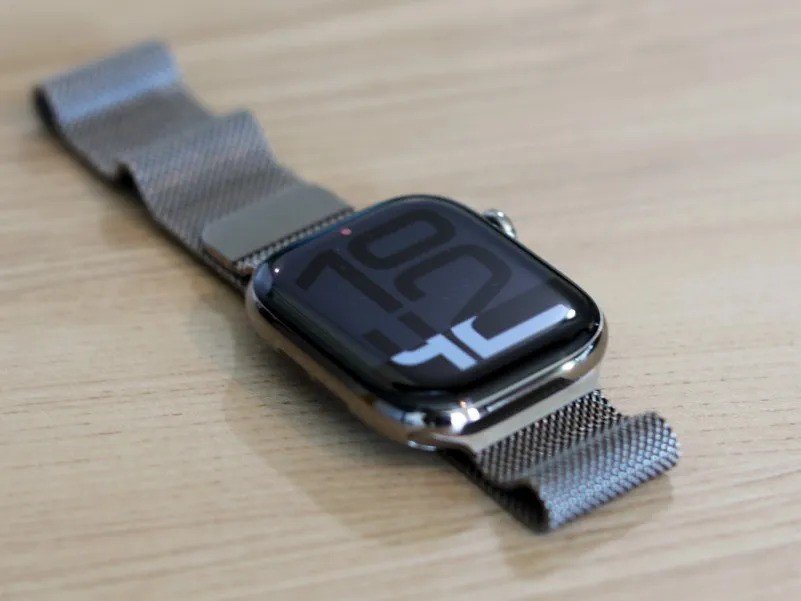
A federal jury in California has ordered Apple to pay medical technology company Masimo 634 million dollars after finding that the Apple Watch infringed on a Masimo patent tied to blood oxygen monitoring. The ruling marks a major moment in a long running dispute centered on health sensor innovation inside Apple’s flagship wearable line.
According to reporting from Reuters, jurors determined that specific Apple Watch features, including workout mode and heart rate notifications, violated Masimo’s patented technology. The case focused on pulse oximetry, a method that uses light based optical sensors to measure blood flow and estimate oxygen levels. Masimo has argued for years that its intellectual property laid the foundation for the consumer blood oxygen features that later appeared in the Apple Watch.
Masimo celebrated the outcome, calling it an important affirmation of its decades of research in patient monitoring. In a public statement shared through BusinessWire, the company emphasized that protecting its innovations remains critical to its ability to develop technologies used by hospitals and healthcare providers around the world.
Apple, however, intends to fight the verdict. A spokesperson told Reuters that the patent in question expired in 2022 and was tied to older professional patient monitoring systems rather than modern consumer wearables. The company plans to appeal, signaling that the legal battle between the two firms is far from over. TechCrunch noted that Apple did not immediately respond to additional requests for comment.
The dispute has been particularly intense in recent years. Masimo previously accused Apple of poaching key employees, including its chief medical officer, to fast track development of the Apple Watch’s health sensors. That conflict ultimately led the United States International Trade Commission to side with Masimo in 2023, resulting in an import ban on Apple Watches featuring blood oxygen capabilities. This is why recent Apple Watch models shipped without SpO2 support in several markets.
In August, Apple introduced a redesigned blood oxygen system that shifts the processing from the watch to the user’s paired iPhone. The move was presented as a technical workaround intended to comply with the import ban. Details of the revised feature were reported by TechCrunch. Despite the change, Masimo is continuing to challenge Apple’s approach and has filed a lawsuit against U.S. Customs and Border Protection for approving imports of devices using the new implementation. Apple, in turn, has asked a federal appeals court to overturn the import restrictions, as noted by Reuters.
The legal back and forth has not been one sided. Apple previously countersued Masimo over design patents, winning a 250 dollar statutory payment after a jury agreed that Masimo violated one of Apple’s design related intellectual property claims. That verdict was covered earlier by TechCrunch.
This latest 634 million dollar ruling underscores how competitive the race for health sensor leadership has become. As major technology companies invest heavily in digital wellness, medical grade monitoring and advanced biometric analysis, the boundaries between consumer tech and regulated healthcare continue to tighten. For both Apple and Masimo, the outcome of this case and the ongoing appeals could shape how future wearable health features are built and deployed.