Apple has quietly tightened its App Review Guidelines, rolling out updates designed to curb the growing wave of look alike and misleading apps that often confuse users and dilute trust in the App Store. The recent changes, highlighted by reports from 9to5Mac, signal a renewed effort from Apple to clean up the marketplace and hold developers accountable for originality.
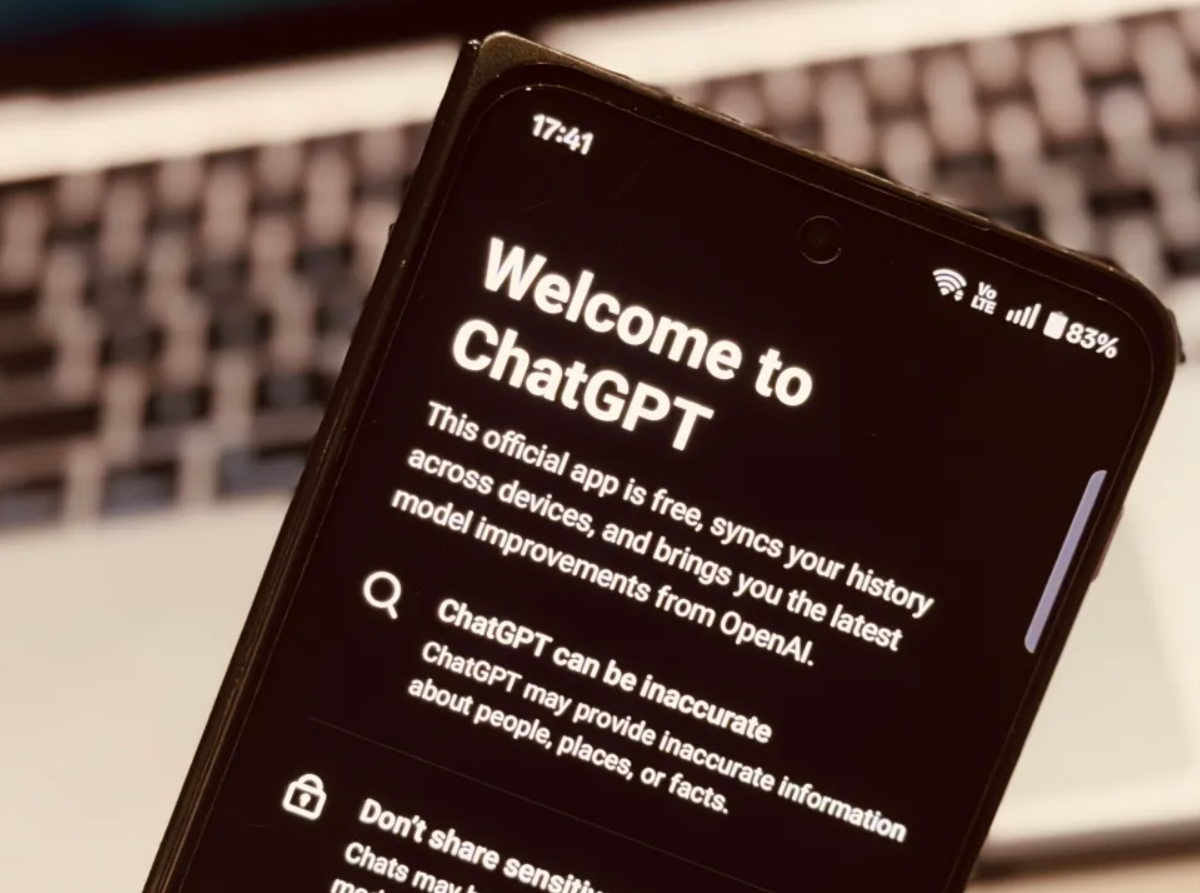
This shift follows a noticeable spike in impersonator apps attempting to capitalize on the success of viral releases, including a series of Sora 2 imposters that deceived users into believing they were linked to the real version by OpenAI. Incidents like these renewed pressure on Apple to refine the rules and close loopholes exploited by clone creators.
Apple has updated nine sections of its guidelines, with the most impactful change being a clear ban on using another app’s branding, name, or icon without permission. Developers are no longer allowed to mimic the visual identity of popular apps to mislead users, even through slight variations.
The company also clarified policies around creator apps with age restricted content, introduced stricter rules for loan and finance apps, and emphasized transparency regarding third party AI data sharing. Developers now need to communicate more clearly if user information is being shared with AI services or external systems.
Copycat apps have long been a headache for both developers and users. For consumers, they create confusion during app searches and increase the chances of downloading the wrong or unsafe version. For developers, clones can push authentic apps down search rankings and siphon attention from original creators. Apple’s new rules attempt to restore trust, especially for users searching for top tier iOS apps or trending tools.
Apple also cautioned developers against tweaking names or interfaces to resemble existing apps. Subtle mimicry has been common among low quality apps attempting to benefit from big launches or viral buzz. These updates should help reduce that noise, making it easier for users to identify legitimate products when browsing the App Store on their iPhone or iPad.
For everyday iOS users, these changes can have a noticeable impact. A cleaner marketplace with fewer misleading listings means a smoother discovery experience and fewer risks of stumbling into fraudulent or poorly made clone apps. By raising the bar for originality, Apple aims to cultivate a healthier ecosystem where authentic apps stand out and low effort copies face real consequences.
Developers, meanwhile, are encouraged to revisit the updated guidelines found on Apple’s official site. Ensuring compliance is essential, since Apple is expected to ramp up enforcement across newly updated sections.
The real test will be how consistently Apple chooses to enforce these policies and how aggressively it removes apps that attempt to skirt the rules. If implemented properly, this could mark a meaningful step in Apple’s long running efforts to maintain a trusted marketplace for both creators and consumers.