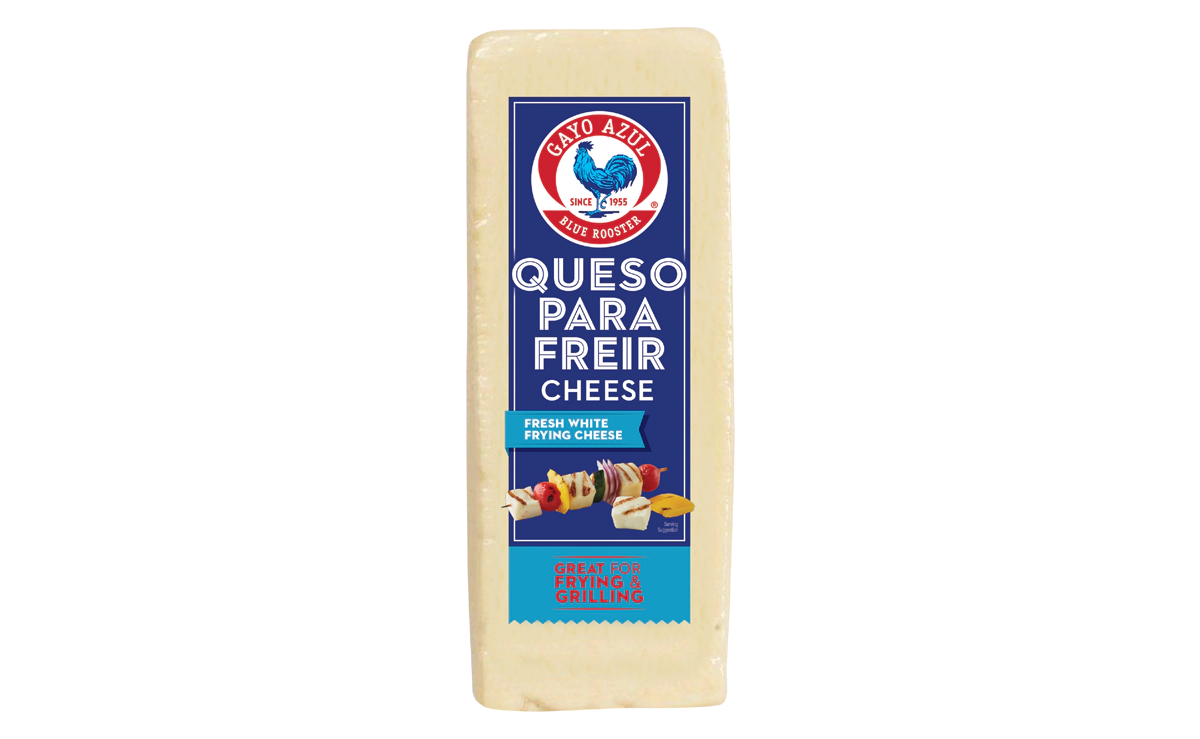
Not all cheeses melt the same way, Queso Para Freir and Queso Blanco are a perfect example.
Put an ordinary sandwich cheese into a hot skillet and you can expect it to melt. Put a slice of Queso Para Freir in the same pan and something different happens: the outside begins to brown while the cheese largely keeps its shape.
For cooks unfamiliar with frying cheese, it’s a useful discovery. There is no need to coat it in breadcrumbs or treat it as an ingredient that must disappear into a sauce.
Gayo Azul traces its roots to the Caribbean in the 1950s, bringing together European cheesemaking craftsmanship and the rich culinary traditions of Hispanic communities. Today, the brand’s diverse portfolio includes cheeses like Cotija, Queso Blanco and Queso Para Freir, alongside Gouda, Dutch Edam and European Swiss.
From recipes passed down through generations to new interpretations of familiar favorites, Gayo Azul’s cheeses continue to bring people together around the table, honoring the food traditions that connect families and communities.
Why Some Cheeses Brown Instead of Melting
One standout in Gayo Azul’s lineup is Queso Para Freir, a cheese that brings something different to the table and opens up new possibilities in the kitchen.
Queso Para Freír, or “cheese for frying,” is a fresh white cow’s milk cheese with a mild, slightly salty flavor and a firm texture that allows it to soften when heated without losing its shape.
To prepare it, slice the cheese and cook it in a lightly oiled nonstick skillet over medium heat until golden on both sides. Serve warm alongside eggs and fresh salsa, tucked into a toasted sandwich with ripe tomatoes, or paired with roasted vegetables. Its mild flavor makes it easy to enjoy with a variety of ingredients, offering a simple way to bring Caribbean and Latin American cooking traditions into everyday meals.

Gayo Azul’s Queso Blanco has a mild, slightly salty flavor and a creamy, crumbly texture that works well in a variety of everyday dishes.
Gayo Azul’s Cotija, by contrast, is aged and firmer, with a more pronounced salty flavor that makes it especially suited to crumbling over foods like chilaquiles, tacos, and soups.
Each cheese has its own strengths and knowing how they differ can help you choose the right one for the dish you’re making.
A Place in Florida’s Diverse Food Traditions
Gayo Azul’s roots date back to the Caribbean in the 1950s, when Gouda and Edam had become familiar staples in local households. Introduced through European cheesemaking traditions, these cheeses found a place in Caribbean cuisine alongside longstanding Hispanic culinary traditions.
Over the years, Gayo Azul has become a familiar name in many Florida households, where its cheeses are part of the everyday meals and culinary traditions shaped by the Caribbean and Latin America. The brand’s selection brings together Dutch-style cheeses like Gouda and Edam with varieties commonly used in Hispanic cooking.
Each cheese has its own place in the kitchen. Queso Para Freír can be pan-fried until golden and served with eggs or fresh salsa. Queso Blanco works well in grilled dishes, while Cotija adds a salty finish to tacos, salads, beans, and corn. Gouda and Edam are versatile choices for sandwiches, baked dishes, and snacks.
Choosing the right variety can make a difference in how a dish turns out. Some cheeses hold their shape when heated, while others melt smoothly or offer a more pronounced flavor. Getting to know these differences opens up more ways to use cheese in everyday cooking.
Gayo Azul products are available through various retailers, depending on location. Visit Gayo Azul for more information about its cheeses and their uses.