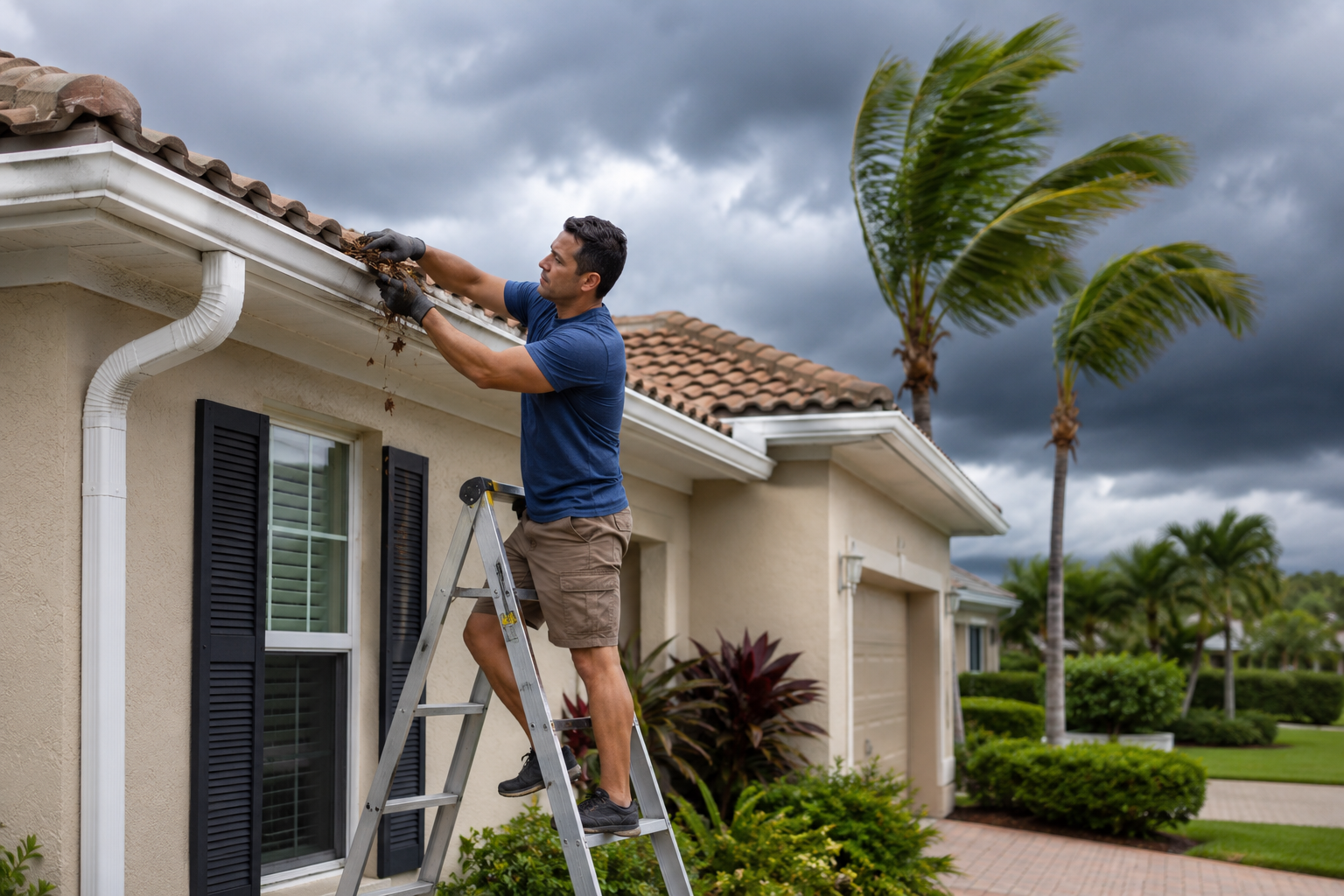
Coastal Florida attracts homeowners with its warm climate, access to recreational activities, and diverse residential communities. However, purchasing property near the coast involves financial considerations that may be less obvious during the initial buying process. Insurance costs, weather exposure, maintenance needs, and changing property expenses can affect the long-term affordability of a home. Buyers and existing homeowners benefit from knowing these obligations before they become urgent.
Budgeting for the Maintenance Demands of Coastal Properties
Homes in coastal environments may experience conditions that influence the maintenance of roofs, exterior finishes, windows, metal components, and mechanical systems. Humidity, salt exposure, heavy rainfall, wind, and strong sunlight can contribute to wear over time. The severity of these effects depends on the property’s distance from the water, construction characteristics, and surrounding environment. Regular maintenance should therefore be treated as a predictable part of ownership rather than an occasional inconvenience.
Roofing is one area where delayed maintenance can create substantial expenses. Property owners considering roofers in Bradenton FL, Orlando FL, or even in Tallahassee FL may need help evaluating leaks, storm damage, aging materials, or concerns identified during an inspection. Appropriate repairs depend on the condition of the existing roof, applicable building requirements, and whether replacement is necessary. Obtaining professional assessments and written estimates helps owners make decisions based on the property’s actual condition.
Understanding the Importance of Property Insurance
Insurance is a major consideration for many Florida property owners, particularly in areas exposed to hurricanes and other significant weather events. Premiums and available coverage can vary based on location, construction features, claims history, and insurer requirements. Homeowners should not assume that policies covering similar-looking properties provide identical protection. Reviewing the details of coverage is essential when comparing the true costs of ownership.
Deductibles deserve particular attention because they determine how much a homeowner may need to pay when submitting a covered claim. Some policies include separate hurricane deductibles calculated differently from ordinary deductibles. Coverage limitations, exclusions, and responsibilities for documentation can also affect what happens after property damage occurs. Understanding these provisions in advance can help owners prepare financially for situations that may require immediate repairs.
Recognizing the Financial Impact of Deferred Maintenance
Postponing maintenance may create temporary savings, but it can also increase the cost of addressing certain problems. A minor plumbing leak, for example, may eventually damage surrounding materials if moisture remains undetected. Similarly, neglected drainage problems can contribute to deterioration around vulnerable portions of a property. The longer a problem continues, the more difficult it may become to separate the original defect from secondary damage.
The financial consequences of deferred maintenance extend beyond repair invoices. Significant property problems may affect marketability, create disputes during inspections, or delay a planned sale. For investors, repairs may interfere with rental availability, change the nature of renovating a home, or create additional management expenses. These potential consequences make preventive maintenance an important part of protecting the property’s economic value.
Planning for Property Taxes and Other Ongoing Expenses
A property’s purchase price does not determine what it will cost to own over the next decade. Property taxes, association fees, insurance premiums, utilities, and maintenance expenses may change substantially. Buyers who budget only for the mortgage payment can underestimate the long-term financial commitment. Reviewing these expenses before purchasing helps establish whether a property fits comfortably within household finances.
Florida property taxes can involve rules that depend on ownership, exemptions, assessed values, and changes in the property’s status. Buyers should investigate how a purchase may affect future tax obligations instead of assuming the seller’s current bill will remain unchanged. Homeowners may also need to understand the eligibility requirements for applicable exemptions. Consulting local property appraiser resources or qualified professionals can help clarify the circumstances.
Properties within homeowners associations or condominium communities introduce additional expenses. Regular assessments may cover shared services and maintenance, while special assessments can create substantial obligations when major projects arise.
Evaluating Coastal Property as a Long-Term Investment
Property owners sometimes focus heavily on market appreciation when evaluating the financial benefits of real estate. Although changing property values can produce gains, appreciation is not guaranteed and may differ substantially between neighborhoods. Transaction costs, financing expenses, maintenance, and taxes influence the actual financial outcome. A realistic investment analysis should consider all these factors when trying to determine the long-term value of a coastal home.
Rental potential creates another layer of complexity for owners considering income-producing properties. Seasonal demand, vacancy periods, property management fees, cleaning, insurance, and local regulations can affect profitability. A home that generates strong revenue during peak months may still face substantial expenses throughout the year. Investors should develop conservative projections that account for both expected income and the full cost of operating the property.