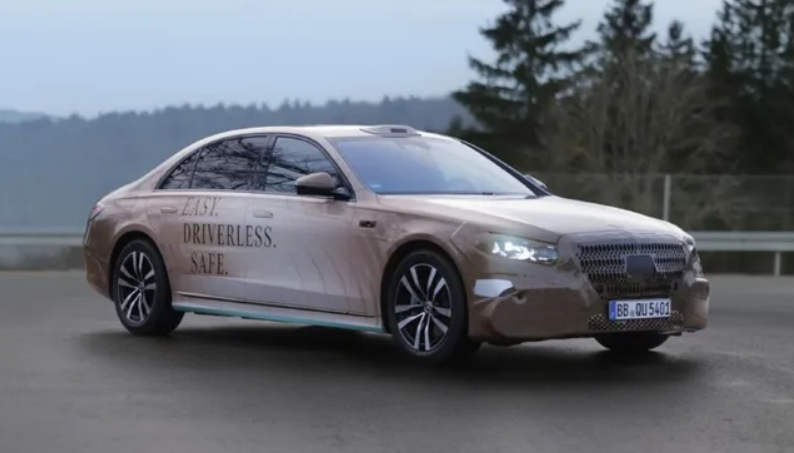
Uber is gearing up to bring a new level of comfort to autonomous travel as it teams up with Mercedes-Benz and Nvidia to introduce self-driving robotaxis based on the iconic S-Class sedan. The collaboration aims to combine premium automotive design with advanced artificial intelligence, creating a high-end driverless experience for riders in major cities.
The partnership brings together three heavyweights in their respective fields. Mercedes-Benz contributes its flagship luxury sedan, Uber provides its global ride-hailing platform, and Nvidia powers the autonomous system through its DRIVE AV software and DRIVE Hyperion hardware architecture. According to the companies, the goal is to develop vehicles capable of operating at Level 4 autonomy, meaning they can drive without human involvement under specific, predefined conditions.
Nvidia first revealed its expanded work with Uber last year, outlining plans to use its autonomous driving stack to support large-scale robotaxi deployments. That same technology will now be integrated into Mercedes-Benz vehicles, turning the S-Class into a rolling AI-powered mobility platform.
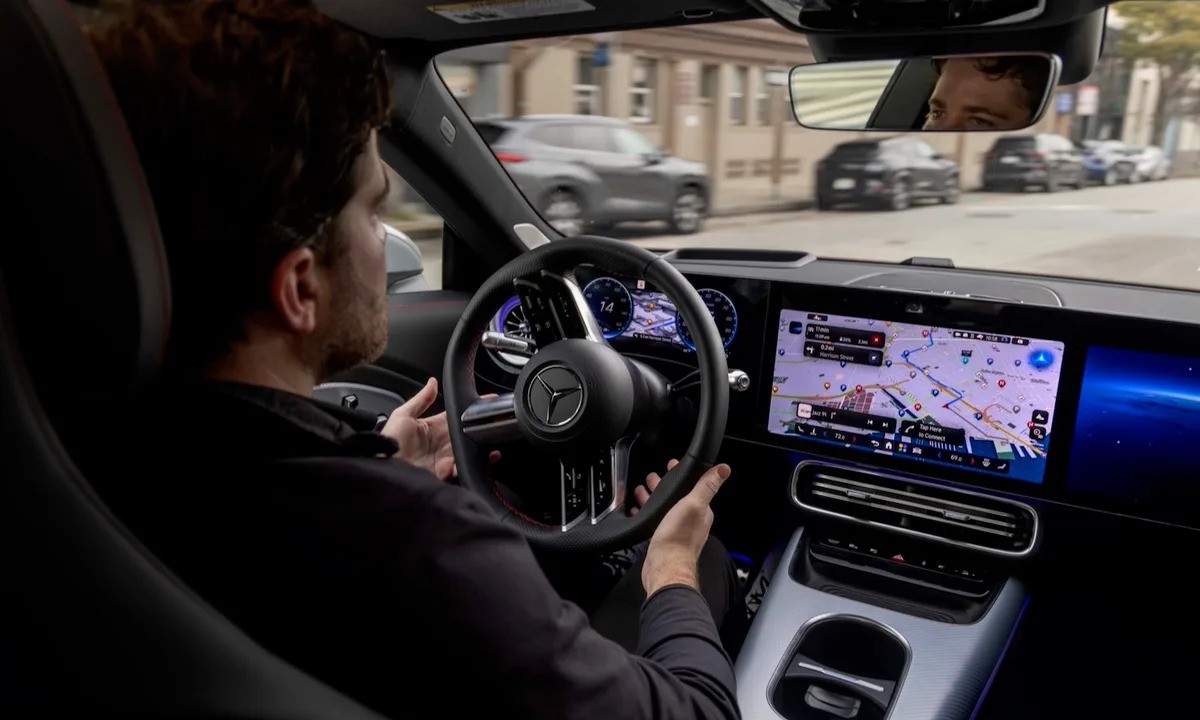
Mercedes-Benz has confirmed that the latest generation of the S-Class has been selected as the foundation for this project due to its advanced electrical architecture and software-ready design. The vehicle will run on the automaker’s in-house MB.OS operating system, which allows partners to develop and deploy autonomous applications directly on the car’s computing framework.
Uber plans to integrate these autonomous S-Class vehicles directly into its ride-hailing app, allowing users to request a driverless ride just as they would a standard trip. While the companies have not announced a specific launch date, they say the focus is on gradual deployment across several major cities once regulatory approvals and safety validations are complete.
The robotaxi market is becoming increasingly competitive as more companies push toward fully autonomous mobility. Alphabet-owned Waymo has already launched limited driverless services in select U.S. cities, while Tesla continues to test its own autonomous systems on public roads. However, the sector remains under close scrutiny from regulators, especially following reports of traffic violations and safety concerns involving autonomous vehicles.
Mercedes-Benz, Uber, and Nvidia say their joint effort is designed to prioritize safety, scalability, and passenger comfort. By pairing a luxury sedan with high-performance AI computing and a global ride-hailing network, the companies believe they can offer a differentiated robotaxi experience that goes beyond basic transportation.
As autonomous driving technology continues to evolve, partnerships like this highlight how traditional automakers and tech companies are working together to reshape urban mobility. With the S-Class as its foundation, Uber’s future driverless rides could look and feel very different from today’s robotaxi offerings.