Online fashion shopping has gotten strangely harder, even as it has become more advanced.
There are more brands, more products, more filters, more recommendations, and more ads than ever before. In theory, that should make it easier for shoppers to find exactly what they want. In reality, it often does the opposite. People open a shopping site with a clear feeling in mind, type a few words into the search bar, and still end up scrolling through pages of items that do not really match what they had in mind.
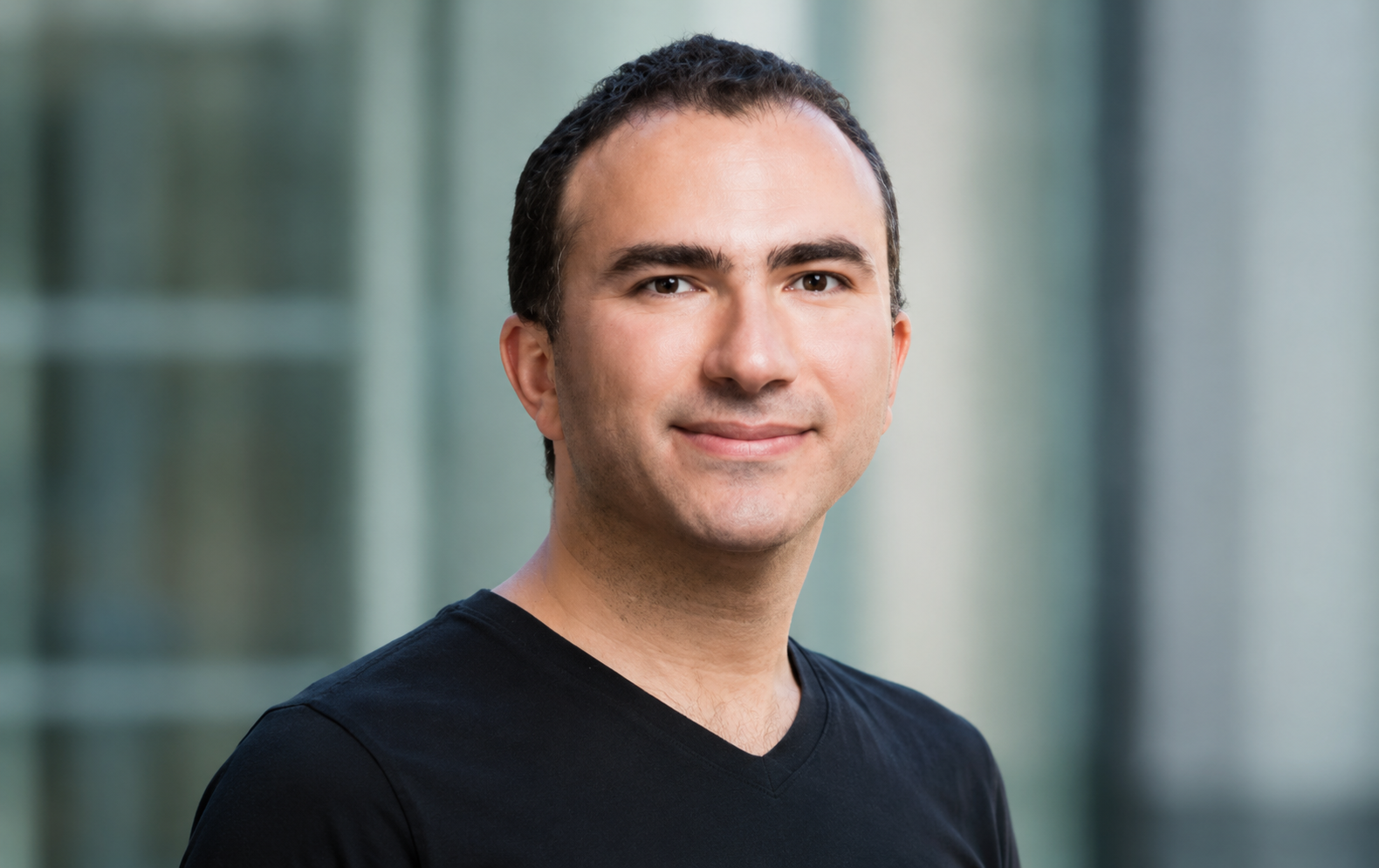
That gap between what shoppers want and what search engines deliver is exactly where Julie Bornstein sees an opportunity.
With Daydream, Bornstein is trying to rethink fashion search from the ground up. Instead of treating online shopping like a rigid database query, she is building a platform around conversation, context, taste, and intent. It is a big idea, but it also feels like a natural next step for someone who has spent years working at the intersection of fashion, technology, and digital retail.
Julie Bornstein is not approaching this problem as an outsider chasing the latest AI trend. She has spent decades inside retail and e-commerce, helping major brands understand how people browse, discover, and buy. That background matters because Daydream is not just about adding AI to shopping. It is about using AI to fix an experience that has felt clunky and impersonal for a long time.
Why fashion search has needed a rethink for years
Fashion has never fit neatly into the same search logic as other product categories.
If someone wants a phone charger, a coffee maker, or a printer cartridge, they usually know what they are looking for. The path is relatively direct. Fashion works differently. A shopper may want something that feels polished but not too formal, relaxed but still sharp, or trendy without looking overdone. They may be shopping for a summer wedding, a work trip, a dinner date, or a version of themselves they cannot quite describe yet.
That makes traditional e-commerce search feel limited.
Most search bars still depend heavily on keywords, product tags, and filters. Those tools can work when the shopper knows the exact item category, color, or brand. They work far less well when the shopper is trying to describe a vibe, a mood, an occasion, or a personal style preference. Fashion is emotional, visual, and deeply subjective. It is not just about locating a product. It is about discovering the right product.
That is where many online retail experiences still fall short. Shoppers are often forced to translate a complicated personal preference into a few generic search terms. Then they are handed an avalanche of results that may be technically related but not actually useful.
This is the pain point Daydream is built around. The bigger idea is simple but powerful. Fashion search should understand people the way people actually shop.
Julie Bornstein’s background made her a natural fit for this problem
Julie Bornstein’s career helps explain why she sees the problem so clearly.
Before launching Daydream, she built a reputation as one of the most experienced operators in digital retail. She held leadership roles at Nordstrom, Sephora, Urban Outfitters, and Stitch Fix, all at moments when online commerce was becoming central to how those businesses grew and connected with customers.
That kind of experience gives her a view that goes beyond startup hype. She has seen how merchandising works behind the scenes, how customer behavior changes across platforms, and how hard it is for retailers to connect inspiration with actual conversion. She understands both the consumer frustration and the business challenge.
At Nordstrom, she was part of the push that helped grow e-commerce in a much earlier stage of digital retail. At Sephora, she played a role in expanding the company’s digital presence and loyalty strategy. At Stitch Fix, she was working in a business built around personalization from the start. Each stop in her career added another layer to her understanding of how shopping habits evolve.
That matters because Daydream sits at the intersection of several ideas Bornstein has been close to for years. Personalization. Discovery. Merchandising. Consumer behavior. Digital product experience. AI did not create her interest in those problems. It simply gave her a more powerful set of tools to address them.
How The Yes helped shape the path to Daydream
Daydream did not come out of nowhere. It feels more like the next chapter in a longer attempt to improve the way people shop online.
Before Daydream, Julie Bornstein founded The Yes, a fashion shopping platform that focused on personalization and recommendations. The company stood out because it tried to make shopping feel more tailored to individual taste rather than forcing everyone into the same browsing experience. Pinterest later acquired The Yes, which gave Bornstein another close look at how discovery, inspiration, and commerce can come together.
That earlier company helped establish the themes that still show up in Daydream today. One of the biggest is that shopping should feel more intuitive and more personal. Another is that consumers do not always start with a product name. Often, they start with a feeling, a need, a style reference, or a loose idea.
The Yes pushed toward a smarter, preference-based shopping experience. Daydream takes that same instinct and moves it forward with generative AI, natural language search, and a more conversational interface.
In that sense, Daydream is not a complete departure. It looks more like a refinement of Bornstein’s long-running belief that fashion discovery deserves better tools.
What Daydream is actually trying to do
At its core, Daydream is trying to make fashion shopping feel less like searching a catalog and more like explaining what you want to someone who understands style.
That distinction matters.
Traditional e-commerce search tends to start with the retailer’s structure. Categories, tags, filters, attributes, and keyword matching all reflect how the catalog is organized. Daydream starts with the shopper instead. The idea is that a person should be able to describe what they are looking for in natural language, add visual references if needed, and get back results that reflect context instead of just literal word matches.
So instead of searching for something flat like “blue midi dress,” a shopper might describe a fuller scenario. They might want a dress for a summer wedding in Europe, something elegant but not overly formal, flattering in warm weather, and under a certain budget. That is closer to how people think in real life.
Daydream’s approach tries to bridge the gap between that real-world language and actual product discovery.
It also reflects a broader shift happening in e-commerce. Search is no longer just about retrieval. It is becoming a guided experience. More platforms are starting to recognize that people do not want endless scrolling. They want relevance, confidence, and speed.
How Julie Bornstein is using AI to change fashion discovery
The AI angle in Daydream is important, but the most interesting part is how it is being applied.
A lot of companies talk about AI in ways that feel vague or overly broad. In Daydream’s case, the use case is relatively concrete. The platform is designed to interpret natural language, understand shopper intent, incorporate visual context, and improve search relevance in a category where standard search has often fallen short.
That gives the technology a practical job to do.
Fashion search is full of nuance. Shoppers may describe what they want through tone, occasion, silhouette, aesthetic, body preferences, color ideas, or even a photo. A useful system has to do more than match keywords. It has to interpret meaning. That is where generative AI, machine learning, and visual understanding become more relevant.
Bornstein’s bigger insight seems to be that AI becomes most valuable in fashion when it reduces friction rather than adding novelty. People do not necessarily need shopping to feel futuristic for the sake of it. They need it to feel easier, more human, and more aligned with their real intent.
That is a subtle but important difference. It shifts the story away from flashy tech and back toward the customer experience.
Why personalization matters so much in fashion
Fashion is one of the most personal categories in commerce. That is part of what makes it exciting, but it is also what makes it difficult to search.
Two people can shop for a black blazer and mean completely different things. One may want something minimalist and oversized for everyday wear. Another may want something sharp and structured for meetings. A third may care most about fabric, price, or brand. The product category is the same, but the actual intent is completely different.
This is where personalization becomes more than a nice extra. It becomes central to the shopping experience.
Julie Bornstein has worked on this problem from different angles throughout her career. At Stitch Fix, personalization was core to the model. At The Yes, it became part of the product experience. With Daydream, personalization appears to move even closer to the search layer itself.
That is a meaningful step. Instead of personalizing only after a user clicks around, the platform tries to understand preferences earlier in the journey. The result, ideally, is a shopping experience that feels less generic and more aligned with individual taste from the very beginning.
For shoppers, that can mean less noise and more confidence. For brands and retailers, it can mean better-quality discovery and more relevant exposure.
Daydream is betting on discovery, not just search
One of the most interesting things about Daydream is that it is not only trying to improve search results. It is also leaning into the idea that fashion shopping is often a discovery process.
That matters because many people do not begin with a fixed item in mind. They begin with a problem to solve or an identity to express. They want to dress better for work. They want to find a vacation outfit that feels right. They want to refresh their wardrobe without repeating what they already own. They want something that fits a mood, a season, or a specific life moment.
Traditional retail systems are not always great at handling that kind of open-ended intent. They are better at helping people find a known item than helping them discover an unknown one.
Daydream’s conversational model feels better suited to that reality. It gives users more room to describe what they mean, refine what they want, and explore options in a way that feels more flexible. That is why the company’s story is really about discovery as much as search.
This is also why the platform has broader significance for the future of e-commerce. If discovery becomes more conversational, more contextual, and more responsive, then the shopping journey itself starts to change.
What makes Julie Bornstein’s vision stand out
The AI commerce space is getting crowded quickly. New tools, assistants, and shopping platforms appear all the time, each promising to transform the way people buy online.
What makes Julie Bornstein stand out is that she is not entering the space from a distance. She has spent years building inside fashion, beauty, and e-commerce. She understands the gap between inspiration and transaction, and she has already spent a meaningful part of her career trying to close it.
That gives Daydream a kind of credibility that some AI-first startups still need to earn.
Bornstein also benefits from having both operational depth and founder experience. She has worked inside major retail organizations, but she has also built and sold a startup in the fashion discovery space before. That combination is useful because Daydream needs more than technical ambition. It needs product clarity, industry relationships, consumer trust, and a strong understanding of how brands want to be discovered.
In other words, Daydream is not just a tech experiment. It is a retail-informed product built by someone who understands how shopping ecosystems actually work.
The challenge of reinventing how people shop
Of course, having the right idea is not the same as changing consumer behavior overnight.
Fashion shopping is deeply habitual. Many people already have favorite retailers, favorite apps, favorite browsing patterns, and favorite ways of comparing products. Even when existing tools are frustrating, consumers do not always change their behavior quickly.
That means Daydream faces a real challenge. It has to prove that its experience is not only interesting, but consistently useful. The results need to feel relevant. The interaction needs to feel easy. The recommendations need to build trust. If the system misunderstands intent too often, shoppers will return to familiar methods, even if those methods are imperfect.
There is also the larger challenge of balancing personalization with breadth. Fashion is full of edge cases, changing trends, and subjective judgment. A system that works beautifully for one shopper may not work as well for another unless it keeps learning and adapting.
This is why reimagining fashion search is a bigger task than simply adding a chatbot to e-commerce. It requires a strong product, strong data, strong brand partnerships, and a deep understanding of how people express taste.
What Daydream says about the future of E-commerce
Even if Daydream is still early in its larger journey, it already points toward a broader shift in online retail.
For years, e-commerce has been optimized around scale and efficiency. Bigger catalogs, faster shipping, more ad targeting, more recommendation slots, more automation. Those things helped e-commerce grow, but they did not always make shopping feel better.
Now the conversation is shifting. More companies are asking whether digital shopping can become more intuitive, more assistive, and more personalized in a way that actually improves the customer experience.
That is why Daydream matters beyond fashion. It reflects a wider belief that search, discovery, and merchandising are ready for reinvention. It suggests that the next wave of e-commerce may be shaped less by static interfaces and more by systems that can interpret intent, respond to context, and guide shoppers more naturally.
Julie Bornstein’s work sits right in the middle of that shift.
She is not just building another shopping tool. She is making a bet that people want something better than endless tabs, clumsy filters, and generic product grids. She is betting that fashion search can become more human, even as it becomes more powered by AI.
That is what makes Daydream worth paying attention to. It is not simply trying to make online shopping faster. It is trying to make it feel smarter, more personal, and more aligned with the way real people actually shop.