Food delivery looks simple from the customer’s side. You open an app, choose a restaurant, place an order, and wait for the food to arrive. But the last part of that journey is often the messiest. A driver may reach the building, but not the right entrance. They may get stuck at a gate, land on the wrong floor, or leave the order at a door that looks correct but is not. For customers, that becomes a missing meal. For drivers, it becomes wasted time and a possible bad rating. For delivery platforms, it becomes another refund, support ticket, or fraud dispute.
That is the problem Shashwat Murarka is trying to solve with Doorstep. Instead of focusing only on the broad idea of last-mile delivery, Doorstep looks at the final stretch that most mapping tools still struggle with. It focuses on what happens after a driver reaches the building, enters the property, moves through the hallways, and tries to complete the handoff at the right doorstep.
This makes Murarka’s work interesting because he is not trying to reinvent food delivery from the outside. He is building a smarter layer for the part of delivery that is already happening every day, but still creates frustration for customers, drivers, restaurants, and platforms.
Who is Shashwat Murarka
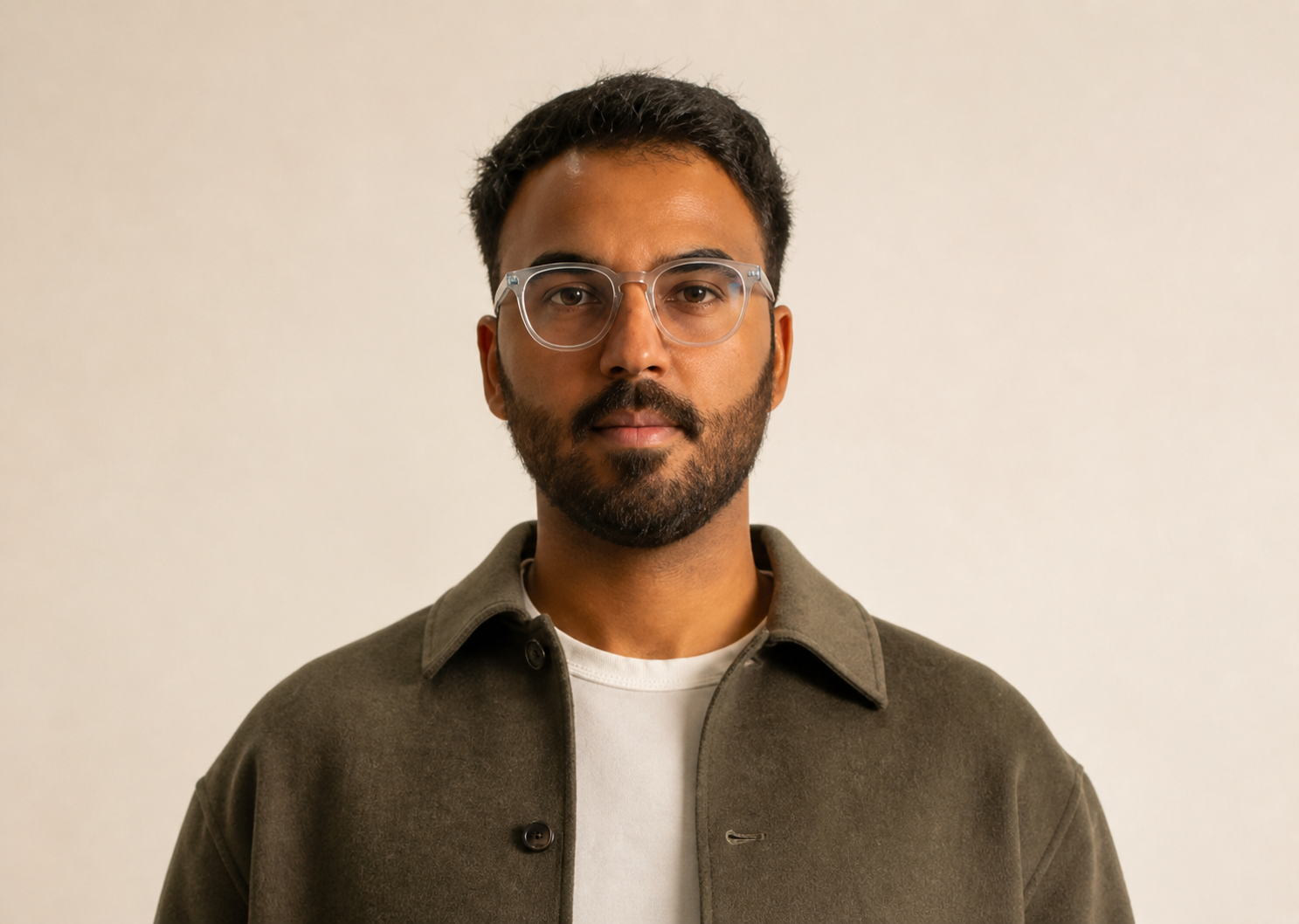
Shashwat Murarka is the founder and CEO of Doorstep.ai, a delivery technology company built around a clear and practical problem. Doorstep helps delivery drivers navigate the final steps to a customer’s destination with more precision than traditional GPS can offer.
Murarka’s story has a very relatable starting point. Like many people living in cities or apartment buildings, he experienced the same delivery problem over and over. Drivers could get close to the address, but they still had trouble finding the actual front door. The issue was not always the driver’s effort or the customer’s instructions. The real gap was often the lack of accurate indoor guidance.
That frustration eventually became the foundation for Doorstep. Murarka saw that delivery platforms had become very good at moving food across a city, but the final indoor handoff was still full of blind spots. A customer’s order could travel several miles smoothly, only to fail in the last few feet.
The food delivery problem Shashwat Murarka noticed
The missing-order problem is bigger than one customer being annoyed about a cold meal. It affects the entire delivery chain.
A customer may report that the food never arrived. A driver may insist that it was dropped off at the correct location. A restaurant may lose money or receive blame even when it prepared the order properly. The platform then has to decide whether to refund the customer, absorb the cost, investigate the driver, or treat the case as possible fraud.
In many situations, the real issue is not dishonesty. It is confusion. Apartment complexes, office towers, hospitals, campuses, gated communities, and dense urban buildings can be hard to navigate. GPS can bring a driver to the address, but it usually cannot tell the driver which entrance to use, which elevator to take, which hallway leads to the right unit, or whether the driver reached the correct floor.
That creates a frustrating gap between “arrived at location” and “delivered to customer.” Doorstep is built for that gap.
Why the last 100 feet matters in delivery
People often talk about last-mile delivery, but the final stretch deserves its own attention. The last mile gets a driver close to the customer. The last 100 feet or last 500 feet is where the delivery is actually completed.
This part is especially important in food delivery because time matters. A package can sometimes sit safely for a while. A hot meal cannot. Every extra minute spent searching for an apartment door affects the customer experience and the driver’s schedule.
The final indoor stretch can also be the least visible part of the whole delivery journey. A platform may know when a driver reached the building, but it may not know what happened inside. Did the driver enter the right lobby? Did they go upstairs? Did they stop near the correct unit? Did they leave the order in the mailroom, at a side entrance, or outside another apartment?
Without better visibility, platforms often have to rely on photos, GPS pins, support messages, and customer complaints. Those signals can help, but they do not always tell the full story.
How Doorstep works inside buildings
Doorstep is designed to give delivery platforms better information about the final handoff. Instead of depending only on outdoor GPS, Doorstep uses smartphone-based signals and sensor fusion technology to understand movement inside and around buildings.
In simple terms, the system can help track whether a driver has entered a building, moved through the property, used an elevator or stairs, reached the right floor, and made it close to the customer’s door. This gives delivery platforms a clearer picture of what actually happened during the most uncertain part of the delivery.
The important part is that Doorstep is not asking every building to install new hardware. Its software-first approach makes it easier to plug into existing delivery apps and workflows. That matters because food delivery platforms operate at massive scale. A solution that requires expensive physical infrastructure in every building would be hard to roll out quickly.
Doorstep’s approach is more practical. It works with the device that drivers already carry and focuses on turning movement data into better delivery context.
How Doorstep helps reduce missing-order disputes
Missing-order disputes are hard because both sides can sound believable. A customer may truly believe the order never arrived. A driver may truly believe the food was left in the right place. Without stronger data, the platform is left making a decision based on incomplete information.
Doorstep adds another layer of delivery validation. It can help platforms understand whether the driver actually reached the building, moved toward the right destination, and completed the drop-off close to the intended doorstep. This does not remove the need for human judgment in every case, but it gives support teams better information to work with.
That is why the idea of “proof of doorstep” matters. Traditional proof of delivery may show that an order was dropped somewhere near the address. Proof of doorstep aims to show that the delivery made it much closer to the exact handoff point.
For delivery platforms, this can reduce refund abuse, speed up dispute resolution, and make support decisions more consistent. For honest customers and honest drivers, it can also create a fairer system.
Why Doorstep can help delivery drivers
It is easy to blame drivers when food goes missing, but the reality is more complicated. Many drivers are working under pressure. They have multiple orders, traffic delays, app instructions, parking issues, locked entrances, building codes, customer messages, and tight delivery windows to manage.
When a building is confusing, the driver often becomes the person expected to solve the problem in real time. They may call the customer, walk around the property, ask security guards, try different entrances, or follow unclear directions from the app. That takes time and can hurt their earnings.
Doorstep can make this part of the job less stressful. If drivers have better indoor guidance and platforms have better delivery context, drivers are less likely to be blamed for problems caused by poor building navigation.
This is one of the stronger parts of Murarka’s approach. Doorstep is not just about helping platforms save money. It also addresses a real pain point for the people doing the deliveries.
Why delivery platforms may care about Doorstep
Food delivery platforms care about speed, accuracy, trust, and cost. Missing orders affect all four.
When an order is reported missing, the platform may have to refund the customer, pay support staff to review the case, deal with driver complaints, and protect the restaurant relationship. If this happens at scale, the cost becomes serious.
There is also a trust problem. Customers lose confidence when orders are marked delivered but never appear. Drivers lose confidence when they feel unfairly blamed. Restaurants become frustrated when a good meal turns into a bad customer experience after it leaves the kitchen.
Doorstep gives platforms a way to improve delivery visibility without rebuilding the whole delivery system. Its technology can sit inside existing apps and help fill the gap that GPS leaves behind.
This is why Doorstep’s focus is narrow but valuable. It does not need to solve every logistics problem. It needs to solve one painful part of delivery better than the tools already being used.
Shashwat Murarka’s fundraising milestone with Doorstep
A major sign of Doorstep’s momentum came when the company raised an $8 million seed round. For an early-stage startup, that kind of backing matters because it gives the team more room to hire, improve the product, support pilots, and move toward broader production.
The round was led by Canaan Partners, with participation from investors including Antler, Cercano Management, Cassius, and Kleiner Perkins Scout Sean Henry. This investor interest shows that Doorstep is not being viewed as a small convenience tool. It is being seen as a way to address a costly and recurring problem in delivery operations.
For Shashwat Murarka, the funding is also a personal milestone. It shows how a frustration from everyday delivery life can turn into a serious company when the founder studies the problem closely and builds a product around real operational pain.
What makes Shashwat Murarka’s approach different
The strongest startup ideas often come from noticing something ordinary that others overlook. Missing food deliveries are not new. Confusing apartment buildings are not new. Drivers getting lost in hallways is not new. What makes Doorstep different is that it treats this final stretch as a technology problem worth solving deeply.
Murarka’s approach is not built around a flashy consumer app or a broad promise to change all of logistics overnight. It is more focused than that. Doorstep aims to become a reliable infrastructure layer for better handoff accuracy.
That focus gives the company a clear purpose. It can help platforms understand the delivery journey from curbside to drop-off. It can help drivers navigate with less guesswork. It can help customers receive food where they actually expect it. And it can help support teams separate genuine delivery failures from questionable claims.
In a delivery market where margins can be tight and customer expectations are high, that kind of precision can become very valuable.
Doorstep’s role in the future of food delivery
Food delivery has already changed how people eat, especially in cities. But the industry still has trust problems to solve. Customers want faster deliveries, clearer updates, and fewer disputes. Drivers want better instructions and fairer treatment. Platforms want lower support costs and more reliable proof that an order was completed properly.
Doorstep fits into this future by making the final handoff more visible. If indoor tracking becomes more accurate and easier to use, delivery platforms can give customers better updates and drivers better guidance.
The same idea could also matter beyond restaurant delivery. Grocery delivery, retail delivery, pharmacy delivery, package drop-offs, healthcare logistics, and even emergency response all face some version of the same problem. Reaching the address is not always the same as reaching the person.
That is why Murarka’s work with Doorstep has room to grow. The company is starting with a specific pain point, but the underlying problem touches many parts of modern logistics.
Lessons from Shashwat Murarka’s Doorstep journey
One lesson from Shashwat Murarka’s journey is that strong startup ideas do not always begin with complicated theories. Sometimes they begin with a repeated annoyance that no one has fixed properly.
Murarka saw that delivery platforms had built powerful systems for routing drivers across cities, but they still struggled inside buildings. Instead of accepting missing orders as part of the food delivery experience, he focused on the hidden gap between arriving at an address and reaching the correct doorstep.
Another lesson is the value of firsthand understanding. Doorstep’s story is not just about software. It is about understanding how customers, drivers, restaurants, and platforms all experience the same delivery failure from different sides.
That is what gives the company its practical edge. Doorstep is not solving a problem in theory. It is solving a problem that happens every day.