AI apps are growing fast, but behind that growth is a simple problem that every founder eventually has to face. How does an AI product make money without pushing users away?
That question sits at the center of Nic Baird’s work with Koah. As more people use AI assistants for research, shopping, planning, writing, comparison, and everyday decisions, AI apps are becoming a new kind of internet surface. They are not just websites or search boxes. They are places where users ask real questions and expect useful answers.
Koah is trying to build the business layer for that shift. Instead of forcing every AI app to depend only on subscriptions, Nic Baird and his team are building native sponsored experiences that fit inside AI conversations. The idea is not to drop old banner ads into a new interface. It is to help AI apps earn revenue through context, intent, and timing.
That is why Nic Baird has become an interesting name in the AI startup world. His company is not just chasing the hype around generative AI. It is working on one of the hardest parts of the AI economy, which is how AI apps can grow into real, sustainable businesses.
Who is Nic Baird
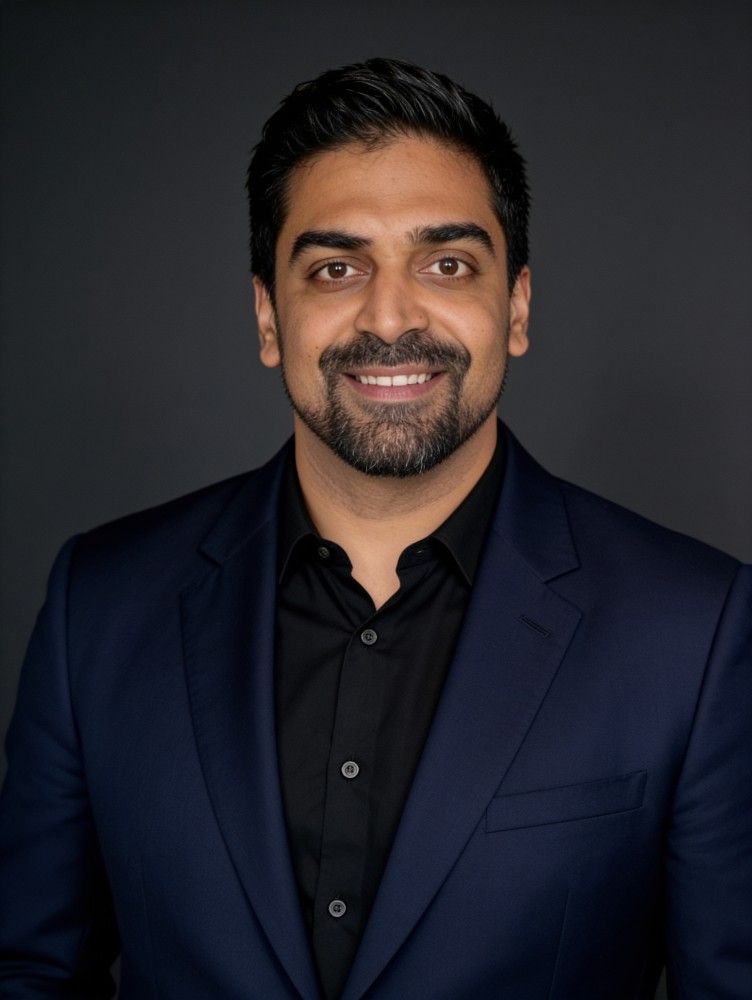
Nic Baird is the Co-Founder and CEO of Koah, also known as Koah Labs. His work is focused on one of the biggest gaps in the current AI market: monetization.
A lot of attention in AI goes to models, agents, copilots, and consumer apps. But even the best AI products still need a business model that works at scale. That is where Nic Baird has placed Koah. Rather than building another AI assistant, he is building infrastructure that helps many AI assistants and AI-native apps make money.
This makes his founder story different from the usual AI startup profile. Nic Baird is not only building a product for end users. He is building for the businesses behind AI products. His customers are the developers, publishers, and app teams trying to turn AI usage into revenue.
That kind of position can become powerful if the market keeps moving toward conversational interfaces. The more users rely on AI apps for decisions, the more valuable those moments become for developers and advertisers.
What Koah is building for AI app monetization
Koah is an AI-native advertising platform that helps generative AI apps monetize conversations. In simple terms, it allows AI apps to show sponsored experiences inside the flow of an answer or chat.
That sounds simple, but the challenge is delicate. People use AI apps because they want speed, help, and clarity. If ads feel random, disruptive, or misleading, users may lose trust quickly. Koah is trying to solve that by building contextual ad formats that match what the user is already asking about.
For example, if a user is comparing tools, planning a trip, researching a service, or looking for a product, there may be a natural place for a sponsored recommendation. The key is that it has to feel relevant and clearly marked. It should support the user’s task, not interrupt it.
That is the core of Koah’s model. It is not about copying display ads from the old web. It is about building ad formats for AI conversations, where user intent is visible in real time.
Why AI apps need a better way to make money
The AI app market has a monetization problem. Many AI products grow quickly because users are curious, excited, or genuinely dependent on the tool. But usage can be expensive. Every prompt, answer, workflow, and agentic action can create infrastructure costs.
Subscriptions help, but they are not enough for every app. Not every user wants to pay monthly. Some users may only need a tool a few times a week. Others may live in markets where subscription pricing is harder to sustain. For consumer AI apps, this creates a difficult choice: limit access, charge more, or find another revenue stream.
This is where Nic Baird sees an opening for Koah. If AI apps can monetize free users in a way that respects the experience, they can grow without forcing every user into a paid plan. That could be especially useful for apps with large audiences, high engagement, and strong intent signals.
A strong monetization layer can also help smaller AI products survive. Without revenue, many useful apps may struggle to pay for compute, product development, and user growth. Koah gives those teams another path, one that looks more like the ad-supported internet but redesigned for AI.
How Koah turns AI conversations into monetization opportunities
Traditional advertising often depends on pages, feeds, search terms, or audience profiles. AI conversations are different. They can reveal what a user is trying to do right now.
A person asking an AI app to compare project management tools is showing a different level of intent than someone scrolling past a generic software ad. A user asking for help planning a vacation may be closer to a booking decision than someone casually browsing social content. These moments matter because they are closer to action.
Koah is built around that idea. It helps advertisers reach users while they are researching, comparing, choosing, and acting inside AI products. For developers, that creates a way to earn revenue from the moments where their apps are already creating value.
This is why the phrase “monetization layer for AI apps” fits Koah well. The company is not only selling ad placements. It is trying to become part of the infrastructure that connects AI app usage with revenue.
Native ads built for conversational products
One of the most important parts of Koah’s strategy is native advertising. In AI apps, native does not simply mean making an ad look pretty. It means the ad has to belong in the conversation.
If a user is asking for advice, the sponsored content should match the intent of the question. If a user is comparing options, the ad should be useful in that comparison. If a user is asking for a recommendation, the sponsored result should be transparent and relevant.
That is a much different experience from a banner ad sitting above a webpage. AI apps are more personal and more direct. The user is often sharing a goal, a problem, or a decision. Because of that, bad advertising can feel more intrusive than it does on a normal website.
Nic Baird appears to understand that trust is the real product here. Koah has to help apps make money, but it also has to protect the user experience that made those apps valuable in the first place.
How Nic Baird is positioning Koah as the AdSense for AI
A useful way to understand Koah is to compare it to what Google AdSense did for websites. AdSense gave website owners a way to monetize attention and content without building their own ad sales teams.
Koah is aiming for a similar role in the AI era. Instead of monetizing articles, search pages, or static content, it helps monetize AI conversations. Instead of placing ads around a page, it places sponsored experiences inside the flow of AI-powered answers.
That comparison is not perfect, because AI is a different interface. But the bigger idea is clear. Every major internet platform shift needs a business model. Websites had display ads and AdSense. Search had keyword ads. Social had feed ads. Mobile had app install and in-app advertising. Now AI apps need something built for conversational intent.
That is the space Nic Baird is trying to own with Koah.
Koah’s funding growth and early traction
Koah has gained attention because it is moving quickly in a market that is still being defined. In February 2026, the company announced a $20.5 million Series A led by Theory Ventures, with participation from Forerunner and South Park Commons.
The company has also reported strong early usage. Koah says its platform processed more than 170 million queries and 35 million native ad impressions over a 12-month period. It has also pointed to AI apps such as Liner, Viro, and Sup AI as examples of its traction.
Those numbers matter because AI advertising is still new. Many people understand search ads and social ads, but conversational ad formats are still early. For Koah, traction gives the company a stronger argument that AI-native ads are not just a theory. They can work inside real products with active users.
Funding also gives Nic Baird more room to build. A platform like Koah has to serve both sides of the market. It needs AI app publishers that want monetization, and it needs advertisers that want access to those users. That requires product development, advertiser relationships, analytics, brand safety, and developer tools.
Why investors are paying attention to Koah
Investors are paying attention to Koah because it sits at the intersection of several large trends. The first is the rise of generative AI apps. The second is the need for better monetization across those apps. The third is the shift from search-based discovery to AI-assisted decision-making.
If users increasingly ask AI assistants what to buy, where to go, what tool to use, or how to solve a problem, then those conversations become commercially important. Brands will want to appear in those moments. Developers will want to earn from those moments. Users will expect the experience to remain helpful.
Koah is trying to sit in the middle of that exchange.
The company also benefits from timing. AI apps are growing before their business models are fully settled. That creates room for infrastructure companies to become important early. If Koah can become a trusted monetization partner for AI app developers, it could grow with the wider AI application layer.
How Koah helps developers build sustainable AI businesses
For developers, the promise of Koah is straightforward. It offers a way to monetize AI usage without forcing a heavy subscription wall in front of every user.
That matters because user growth and revenue often pull in opposite directions. A free AI app can grow quickly, but it may become expensive to operate. A paid AI app can generate revenue, but it may slow adoption. A native ad model gives developers a third option.
With Koah, developers can turn high-intent conversations into revenue while keeping the product accessible. The platform’s pitch is especially relevant for AI apps with strong engagement, frequent queries, and clear user intent.
The developer side also needs simplicity. AI app teams do not want to spend months building ad infrastructure from scratch. They need formats, targeting, reporting, payouts, and controls. If Koah can make monetization easier to add, it becomes more than an ad network. It becomes part of the operating stack for AI products.
Why advertisers see value in AI-native ad formats
Advertisers care about intent. That is why search advertising became so powerful. A search query can show what someone wants at a specific moment.
AI conversations may take that even further. A user may not only type a keyword. They may explain their situation, compare choices, ask follow-up questions, and move closer to a decision inside the same experience. That creates a richer signal for advertisers.
Koah gives brands a way to appear in those moments without relying only on traditional search or social platforms. Instead of waiting for a user to click through a list of links, advertisers can show up where the decision is being shaped.
This could matter across many categories, including software, finance, travel, education, healthcare navigation, shopping, productivity, and local services. Any category where users ask questions before making a decision could become relevant for AI-native advertising.
The trust challenge behind AI advertising
The biggest challenge for Koah is not only technical. It is trust.
AI apps already influence how people understand information, compare options, and make decisions. If advertising enters that experience, it has to be handled carefully. Users need to know when something is sponsored. The recommendation needs to be relevant. The product should not feel like it is quietly replacing helpful answers with paid placements.
That is why transparency matters. Clear labeling, strong quality control, and respectful placement will likely decide whether AI ads are accepted or rejected by users.
For Nic Baird, this is both a challenge and an opportunity. If Koah can prove that sponsored content can be useful, native, and honest inside AI apps, it can help define how advertising should work in conversational products. If the experience feels careless, users may push back quickly.
Trust is not a side issue in AI monetization. It is the foundation.
What Nic Baird’s work means for the future of AI apps
The bigger story around Nic Baird and Koah is about how the AI economy becomes sustainable.
AI apps are becoming a new layer of the internet. People are using them to search, learn, compare, create, and decide. But for that layer to last, the apps behind it need reliable revenue. Otherwise, many products will either disappear, raise prices, or limit access.
Koah is one answer to that problem. It gives AI apps a way to monetize usage through contextual sponsored experiences. It gives advertisers a way to reach users in high-intent moments. It gives the broader AI ecosystem a possible business model beyond subscriptions.
That is why Nic Baird’s work is worth watching. He is not just building another adtech company. He is building for a new interface where conversations replace pages, intent replaces browsing, and monetization has to feel useful instead of disruptive.
If Koah succeeds, it could become an important part of how AI-native apps grow, earn, and stay available to more users.