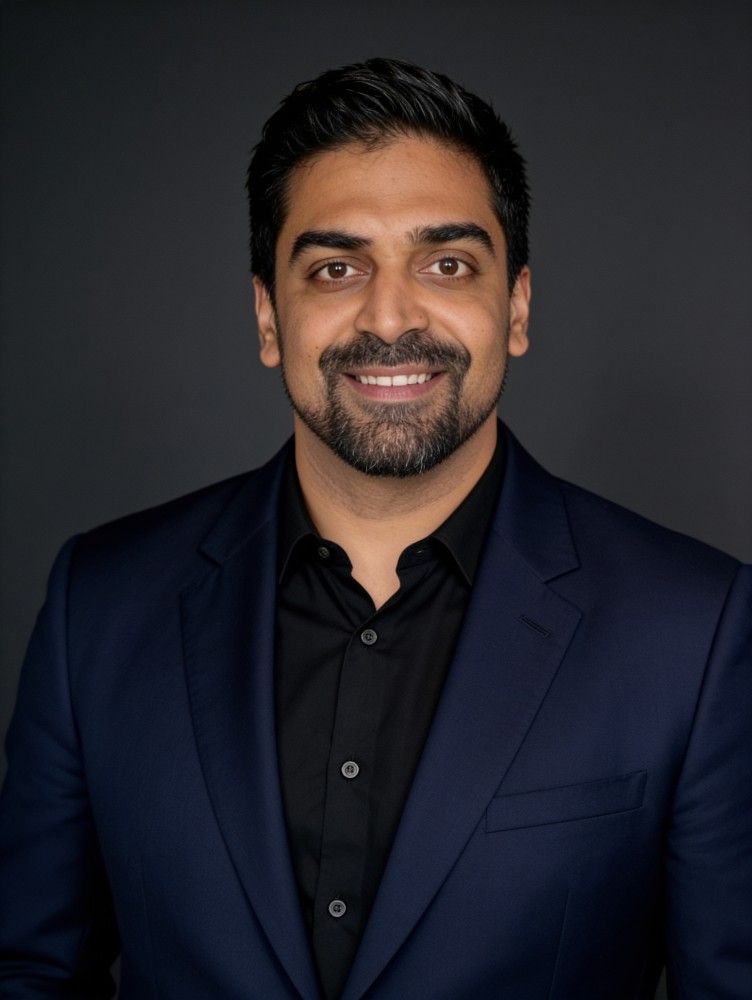
Neha Kumar did not build Full Glass Wine Co by chasing attention or trying to force one brand into every corner of the wine market. She helped build it by seeing something many people in the industry had already noticed but had not fully solved. The direct-to-consumer wine space was full of known brands, loyal customers, valuable data, and real demand, but it was also fragmented. Some brands had strong customer love but weak infrastructure. Others had scale in one area and gaps in another. That created an opening for a smarter kind of growth.
Instead of starting from scratch and hoping one label would slowly grow into a giant, Neha Kumar and Full Glass Wine Co leaned into acquisitions. It was a sharper play. Buy strong wine brands with existing audiences, bring them into a stronger operating system, and build a bigger platform around customer experience, personalization, and efficiency. That idea sits at the center of Full Glass Wine Co’s story.
What makes Neha Kumar’s role so interesting is that her approach feels less like flashy startup theater and more like disciplined company building. The company’s rise has been tied to strategic acquisitions, but the real story is what happened behind those deals. This was never just about collecting wine brands. It was about building a business that could make those brands work better together.
Who Neha Kumar Was Before Full Glass Wine Co
Neha Kumar came into Full Glass Wine Co with the kind of background that made this model make sense. She was not entering the wine space as someone simply chasing a trend. Her experience across startups, operations, finance, and growth gave her a practical lens on what it takes to scale a business without losing control of it.
Before co-founding Full Glass Wine Co, she had already built a reputation as an operator who understood both strategy and execution. That matters because acquisition-led growth sounds exciting from the outside, but it can turn messy fast if the leadership team does not know how to integrate people, systems, logistics, and brand identity. Kumar’s background made her well suited for exactly that kind of challenge.
Her career also gave her an advantage in spotting the difference between a brand that looks attractive on the surface and one that can become more valuable inside a larger system. That is a big part of what separates random dealmaking from smart acquisitions. The real value is not only in buying a company. It is in knowing what that company becomes after the deal closes.
Why Full Glass Wine Co Chose an Acquisition Led Growth Strategy
The wine industry has never lacked brands. What it has often lacked is a clean, scalable way to serve different customers across price points, tastes, and buying habits while still running an efficient business in the background. That is where Full Glass Wine Co found its lane.
Rather than building one wine brand and stretching it to cover every kind of shopper, the company took a multi-brand approach. That let Full Glass Wine Co meet customers where they already were. Some buyers wanted discovery and subscription. Others wanted trusted labels, better value, or access to curated selections. A portfolio approach made more sense than pretending one brand voice could do all of that equally well.
This strategy also created speed. Acquiring established direct-to-consumer wine brands meant gaining real customers, real demand, and real market presence much faster than launching a brand from zero. It also gave the company something even more valuable than speed: information. Every acquisition brought customer behavior, purchase patterns, brand equity, and category insight that could strengthen the larger platform.
That is one of the clearest signs that Full Glass Wine Co was built with an operator mindset. The company was not buying brands for vanity. It was building infrastructure around proven demand.
The Early Acquisitions That Built Momentum
The early deals helped define what Full Glass Wine Co wanted to become. Acquiring Winc and Wine Insiders gave the company a serious foothold in direct-to-consumer wine. These were not unknown names. They already had recognition, customer trust, and meaningful positions in the market.
Those deals also sent a message. Full Glass Wine Co was not entering the space as a niche newcomer hoping to carve out a tiny corner. It was moving with the intention of becoming a real consolidator in a fragmented category.
Then came Bright Cellars, which gave the company even more depth. That acquisition added a strong subscription model and a personalization engine that fit naturally with the broader vision. Wine is a category where recommendation quality matters. People do not all buy the same way, and many customers want guidance, discovery, and convenience. A brand that already understood that behavior added more than revenue. It added a stronger customer experience layer.
From there, the company kept building. Splash Wines and Scout & Cellar added more reach, more customer relationships, and more reasons for the Full Glass Wine Co portfolio to appeal to a wider range of shoppers. Later additions like Wine Access and Cameron Hughes Wine pushed that story even further, giving the company more breadth across the online wine market.
By building through a sequence of acquisitions rather than one oversized gamble, Full Glass Wine Co created momentum step by step. Each deal added another piece to the system.
Why Existing Brand Equity Mattered So Much
One reason this strategy worked is that building customer trust in wine takes time. Wine buying is personal. People have preferences, habits, spending comfort zones, and favorite styles. In many cases, they also want some level of confidence before they hit purchase.
That is why existing brand equity mattered. Full Glass Wine Co was not simply buying product catalogs or email lists. It was acquiring brands that already meant something to real people. That matters far more than many growth stories admit.
Starting from zero can work, but it is slow and expensive. Acquiring a known brand gives you a head start in trust, awareness, repeat buying, and retention. It also gives you a clearer understanding of who the customer already is. In a direct-to-consumer business, that is a major advantage.
Neha Kumar’s approach seems to reflect that understanding. Smart acquisitions are not only about grabbing revenue. They are about identifying brands that can become stronger with better support, better operations, and a clearer long-term home.
How Neha Kumar Helped Turn Separate Brands Into One Stronger Business
This is where the story gets more interesting. Buying brands is the part that gets headlines. Integration is the part that actually builds the company.
Neha Kumar helped shape Full Glass Wine Co around the idea that separate brands could keep their identity while benefiting from a shared system behind the scenes. That balance is not easy. If you centralize too aggressively, every brand starts to feel the same. If you do not centralize enough, you lose the efficiency that made the acquisition strategy appealing in the first place.
Full Glass Wine Co appears to have built around a middle path. The brands stay distinct on the surface, but the parent company strengthens the foundation underneath them. That can include operations, marketing support, shipping infrastructure, technology, recommendation systems, and other shared resources.
That kind of structure matters because it lets the business create scale without flattening every brand into one generic experience. A customer who came in through a discovery-driven subscription brand does not necessarily want the same experience as someone shopping for premium bottles or value-driven selections. The portfolio works better when each brand keeps its own lane while the company improves what happens in the background.
That is where Kumar’s operating mindset shows up most clearly. Growth is one thing. Coherence is another. Full Glass Wine Co needed both.
Shared Operations Without Losing Brand Identity
The strongest acquisition strategies usually have a simple question behind them: what should stay unique, and what should become shared?
For Full Glass Wine Co, the smart answer seems to have been that the customer-facing brand should stay recognizable while the business engine becomes more efficient. That means a shopper can still feel connected to the brand they know, but the company can improve fulfillment, lower costs, support faster shipping, and make smarter use of marketing and customer data.
This is one of the reasons acquisition-led growth can work so well in consumer categories when it is done carefully. The holding company does not need to erase the value that made the acquired brand attractive in the first place. It needs to protect that value while removing friction that held the brand back.
In other words, the best part of the strategy is not the acquisition itself. It is the lift the brand gets after becoming part of the larger platform.
Using Data and Personalization to Improve the Customer Experience
Wine is a category where personalization is not just a nice extra. It can be a major driver of satisfaction and repeat buying. Some customers know exactly what they want. Others want help discovering bottles they are likely to enjoy. That makes data especially useful in a direct-to-consumer wine business.
Full Glass Wine Co has leaned into that part of the market. Across its growing portfolio, the company has talked about technology, personalization, and recommendation quality as important parts of the customer experience. That makes sense. If the company can better understand preferences, price sensitivity, buying patterns, and repeat behavior, it can serve customers more effectively across multiple brands.
This is another place where Neha Kumar’s growth strategy looks practical rather than trendy. Personalization is easy to talk about as a buzzword. It is harder to apply it in a way that actually improves retention and customer trust. In a multi-brand business, customer insight becomes even more valuable because it helps each brand sharpen its own positioning without operating in total isolation.
That creates a better experience for shoppers and a stronger business model for the company.
The Next Wave of Acquisitions and What They Revealed
As Full Glass Wine Co kept expanding, the broader pattern became clearer. The company was not just buying random names in the category. It was building a wider direct-to-consumer wine ecosystem.
The addition of Splash Wines and Scout & Cellar showed a continued commitment to broadening the customer base while strengthening the portfolio. Then Wine Access and Cameron Hughes Wine added more depth, more premium appeal, and more sourcing credibility. At that point, the company’s strategy looked less like early experimentation and more like a defined market thesis.
That thesis was straightforward. The online wine market had room for a company that could bring together beloved brands, shared infrastructure, strong storytelling, and personalized commerce under one roof. Full Glass Wine Co was trying to become that company.
Neha Kumar’s role in that evolution matters because it speaks to judgment. Growth through acquisition only works when leadership knows which assets fit the larger vision. A strong portfolio is not built by buying everything available. It is built by choosing brands that expand the customer map without breaking the operating model.
What Full Glass Wine Co’s Growth Says About the Strategy
The company’s public milestones point to more than fast momentum. They suggest that the acquisition model gave Full Glass Wine Co a credible path to scale in a market where many brands would have struggled alone. Funding helped, of course, but capital without a clear strategy usually does not produce this kind of momentum.
What stands out here is that the company’s growth story is tied to structure. It used acquisitions to accelerate market position, but it also used them to build a more complete platform. That combination is what makes the story worth paying attention to.
A lot of startup growth stories sound impressive until you look closely and realize they were driven by noise, discounts, or temporary hype. Full Glass Wine Co feels different because the logic is easier to follow. Buy brands people already care about. Improve the operating system behind them. Use data and technology to make the customer experience better. Keep expanding the portfolio in ways that deepen the overall platform.
That is not a glamorous formula, but it is often how durable businesses are built.
What Made Neha Kumar’s Approach Different
Neha Kumar’s story with Full Glass Wine Co stands out because it combines founder vision with operator discipline. She did not just help create a company with a bold idea. She helped shape a company around execution.
That difference matters. Plenty of founders can tell a good story about the future. Fewer can build the systems that make that future possible. Kumar’s approach appears grounded in a clear understanding of how acquisitions, brand management, customer insight, and operational efficiency all fit together.
She also seems to understand that growth is not only about going bigger. It is about becoming more useful. In Full Glass Wine Co’s case, that meant creating a better home for direct-to-consumer wine brands and a better overall experience for customers shopping across the category.
That is what gives the company’s rise more substance. It is not only a story about wine. It is a story about building a modern consumer platform by making smart decisions about what to buy, what to improve, and what to protect.
Lessons Founders Can Take From Neha Kumar and Full Glass Wine Co
One lesson is that growth does not always need to begin with invention. Sometimes it begins with recognition. If a market is fragmented and full of under-supported but valuable brands, there may be more opportunity in consolidation than in starting from zero.
Another lesson is that acquisitions only matter if integration is strong. Buying a brand can create momentum for a headline. Building a system that makes the brand more valuable is what creates long-term results.
There is also a branding lesson here. Keeping acquired brands distinct while strengthening the shared infrastructure behind them can be more effective than forcing everything into one identity. Customers often respond better when the brand they know still feels familiar.
And finally, there is a broader lesson about leadership. Neha Kumar’s path with Full Glass Wine Co shows the value of combining strategic thinking with operational realism. It is one thing to see an opening in the market. It is another to build a company that can actually move through it.