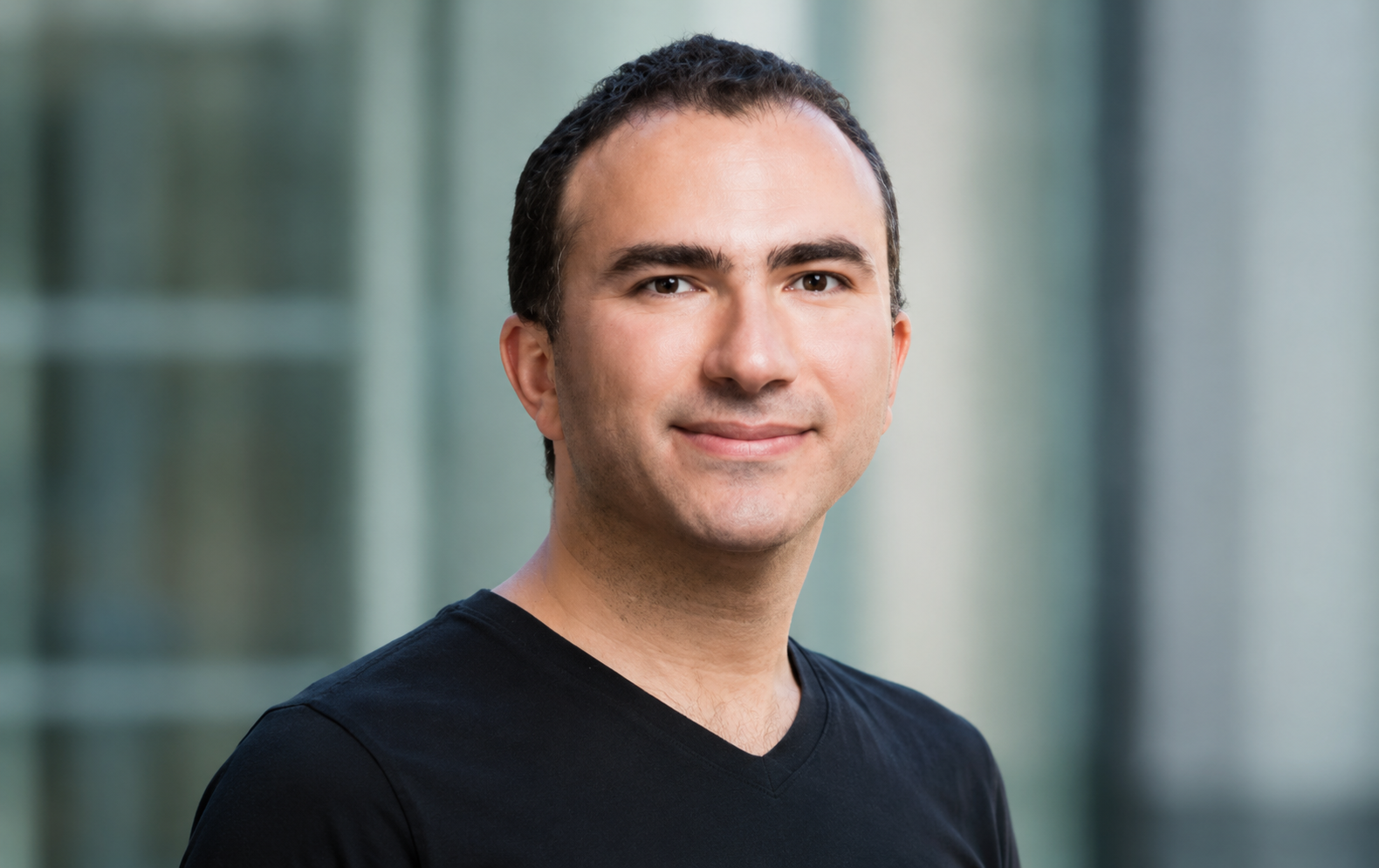
Social drinking has changed a lot in the past few years. For a long time, alcohol sat at the center of celebration, networking, dating, nightlife, and even everyday unwinding. Then consumer habits started to shift. More people began questioning what they were drinking, how often they were drinking it, and whether the usual social ritual still matched the way they wanted to live. That change created room for a new kind of beverage brand, and Jen Batchelor saw the opening early.
With Kin Euphorics, Batchelor did not simply launch another alcohol-free drink. She built a brand around mood, ritual, identity, and connection. That difference matters. Kin Euphorics entered the market as a non-alcoholic functional beverage brand using adaptogens, nootropics, and botanicals, but its real appeal went beyond ingredients. The brand offered a different social experience, one that felt modern, wellness-driven, and still aspirational.
Jen Batchelor’s success with Kin Euphorics comes from understanding that many consumers were not just trying to quit alcohol. They were trying to replace the feeling, the ritual, and the role it played in their lives. Kin stepped into that space with a clearer point of view than most brands in the category.
Who Is Jen Batchelor and What Inspired Kin Euphorics
Jen Batchelor is the founder and CEO of Kin Euphorics, and her background helped shape the way the brand was built from the start. Rather than treating drinks as simple refreshments, she approached them as part of a larger cultural habit. That mindset gave Kin an edge. The company was never framed as a compromise product for people missing out on the fun. It was presented as a fresh way to socialize, relax, and connect without relying on alcohol.
That framing is a big part of what made Batchelor stand out. She did not market Kin Euphorics like a substitute for a drink someone really wanted. She built it as something people could genuinely choose for its own appeal. In a crowded beverage market, that shift in language can make all the difference.
From the beginning, the brand tapped into a real tension in modern life. People wanted energy, presence, calm, and connection, but many were also becoming more intentional about health, performance, sleep, and mental clarity. Batchelor recognized that this tension was not going away. It was becoming a defining part of how younger consumers made decisions.
Why Traditional Social Drinking Was Ready for a Rethink
The old model of social drinking worked for decades because it was familiar and widely accepted. If people wanted to loosen up, celebrate, or fit into a social setting, alcohol was often the default. But over time, more consumers started to question that pattern.
Some wanted better sleep. Some wanted sharper mornings. Some wanted to protect their mental health, reduce anxiety, or cut back on habits that no longer felt aligned with their lifestyle. Others simply wanted more options. The rise of mindful drinking and the sober-curious movement reflected a larger cultural shift toward intention. People were no longer satisfied with choosing between full participation and total restriction.
That is where Kin Euphorics found its opening. The brand did not position itself as anti-fun or anti-social life. Instead, it leaned into a more attractive idea. You could still have the ritual. You could still have the mood. You could still feel part of the moment. You just did not need alcohol to get there.
This is where Jen Batchelor’s thinking feels especially sharp. She understood that the strongest brands do not just respond to demand. They shape new behavior. Kin Euphorics was built around that kind of behavioral shift.
How Jen Batchelor Positioned Kin Euphorics Differently From the Start
A lot of alcohol-free brands focus heavily on what they remove. No alcohol. No hangover. No sugar. No guilt. Kin Euphorics took a more emotionally intelligent route. It focused on what people could gain.
That positioning helped the brand feel more premium and more culturally relevant. Kin was tied to ideas like conscious connection, elevated ritual, mood support, and better being. Instead of making consumers feel like they were giving something up, the brand made them feel like they were stepping into a newer and more considered version of social life.
That is a big reason the Kin Euphorics brand story resonated. The company was not selling abstinence. It was selling experience. It was selling a feeling. It was selling a social identity that fit people who cared about wellness but still wanted nightlife, beauty, culture, and style.
This kind of positioning also helped Kin appeal to more than one audience at once. It spoke to sober-curious consumers, wellness enthusiasts, trend-aware shoppers, and people who simply wanted a better alcohol alternative. That flexibility gave the brand a wider runway for growth.
The Product Strategy That Helped Kin Euphorics Stand Out
Jen Batchelor also understood that branding alone would not be enough. If Kin Euphorics was going to stand out, the product itself had to support the promise. That is where functional ingredients became part of the bigger story.
Kin products were built around blends of adaptogens, nootropics, and botanicals. High Rhode, for example, was positioned as a social spirit infused with ingredients like Rhodiola rosea, 5-HTP, and GABA. Lightwave leaned into calm and balance with ingredients such as reishi mushroom, L-theanine, and L-tryptophan. Kin Bloom expanded the line with a rosé-inspired offering featuring schisandra, damiana, and L-theanine.
These details mattered because they helped Kin separate itself from the mocktail conversation. Batchelor was not trying to make a plain alcohol-free replica of an existing category. She was building a functional beverage brand with its own use cases, taste profile, and emotional language.
Just as important, the ingredient story gave consumers a reason to stay curious. In categories like wellness beverage, non-alcoholic drinks, and functional drinks, education plays a major role in trust. People want to know what is inside the can or bottle, how it fits into their routine, and why it feels different from a standard soft drink. Kin made that explanation part of the brand experience.
How Kin Euphorics Turned Wellness Into a Social Experience
One of the smartest things Jen Batchelor did was avoid making wellness feel isolating. A lot of wellness brands speak to the consumer alone. Better skin, better sleep, better focus, better habits. Kin Euphorics widened that lens and asked a more social question. What if wellness could belong at the party too?
That shift helped Kin feel fresh. The brand connected self-care with nightlife, ritual, and shared moments. Instead of treating alcohol-free living as something quiet or restrictive, Kin made it feel beautiful, expressive, and culturally plugged in. It was wellness with atmosphere.
That matters because consumer behavior is shaped by emotion as much as logic. People do not choose drinks based only on ingredients. They choose them based on setting, identity, taste, packaging, social cues, and how the drink makes them feel about themselves. Batchelor seemed to understand that from the beginning.
Kin’s visual language, product naming, and overall tone helped reinforce this. The brand felt less clinical than many functional beverage companies and less old-fashioned than some zero-proof alternatives. It lived in a space between wellness and lifestyle, which gave it a stronger emotional pull.
Brand Building Moves That Helped Kin Euphorics Grow
A major reason Kin Euphorics gained attention is that the brand was never just about cans on a shelf. It was built as a story people could step into. Founder-led branding played a big role in that. Jen Batchelor gave the company a clear voice, a clear point of view, and a sense of cultural purpose.
That voice was amplified further as Kin gained visibility through media coverage, partnerships, and celebrity alignment. Bella Hadid’s involvement brought wider attention to the brand, but the foundation had already been set by Batchelor’s original positioning. The celebrity connection helped scale awareness, yet the deeper appeal came from the fact that Kin already had a distinct identity in the market.
This is where many startups struggle. They get attention before they build meaning. Kin Euphorics worked because the branding had a real backbone. It had a recognizable perspective on modern drinking culture, emotional wellbeing, and what social rituals could look like without alcohol.
The company also benefited from being highly shareable. Kin looked good, photographed well, and fit naturally into lifestyle content. That might sound superficial, but in consumer brands, visual identity often drives discovery. When a product feels aligned with beauty, wellness, and culture, it spreads more easily across digital spaces.
What Made Jen Batchelor’s Vision Bigger Than a Beverage Trend
The strongest founder stories are usually about more than product-market fit. They are about reading culture at the right time. Jen Batchelor did that with Kin Euphorics.
She saw that social drinking was being redefined by a generation that cared about balance, performance, emotional health, and intentional living. She also understood that people did not want to lose pleasure in the process. They still wanted ritual. They still wanted desire. They still wanted a drink that felt special.
That is why Kin Euphorics became more than a simple non-alcoholic drinks brand. It entered a wider conversation around modern lifestyle habits, conscious consumption, and the future of socializing. In that sense, Batchelor was not just building a beverage company. She was helping shape a new social script.
That kind of relevance gives a brand staying power. Trends come and go, but deep behavior shifts tend to last much longer. Mindful drinking is not only about what people remove from their lives. It is also about what they want instead. Kin was built around that second question, which is one reason it stood out.
Challenges Jen Batchelor Faced While Growing Kin Euphorics
Of course, building a new category is rarely smooth. One of the hardest parts of growing Kin Euphorics was likely the education piece. Functional ingredients can attract attention, but they can also confuse consumers if the message is not clear. Batchelor had to help the market understand what Kin was, who it was for, and why it was different.
There was also the challenge of credibility. When a brand sits at the intersection of wellness, beverage innovation, and lifestyle branding, it has to work harder to earn trust. It cannot rely on one familiar category label. It has to explain itself again and again while still feeling effortless.
Then there is the broader challenge every founder faces in a rising category. Once the market proves there is demand, competition grows fast. New alcohol alternative brands, sober-curious products, and functional beverage startups all begin chasing the same consumer. In that kind of environment, clear brand identity becomes a real competitive advantage.
Kin Euphorics managed to keep that identity strong because Batchelor did not build the company around a bland wellness message. She built it around a sharper emotional idea, which made the brand more memorable.
What Entrepreneurs Can Learn From Jen Batchelor and Kin Euphorics
There is a lot founders can learn from the way Jen Batchelor grew Kin Euphorics. First, she built around a real change in consumer behavior, not just a passing product trend. That gave the brand a stronger foundation from the start.
Second, she understood that category creation requires language as much as formulation. Consumers needed a new way to think about social drinking, and Kin gave them one. It connected functional ingredients with emotional relevance, which made the concept easier to adopt.
Third, she treated brand building as a full sensory experience. Packaging, language, mood, ingredients, and cultural positioning all worked together. That kind of consistency is what helps a startup move from interesting product to recognizable brand.
Most of all, Jen Batchelor showed that a company can grow faster when it sells a better future, not just a better product. Kin Euphorics appealed to people who wanted connection without compromise, ritual without regret, and wellness without losing the social spark. That is what made the brand feel timely, and that is what made Batchelor’s vision stand out.