For many companies, getting paid is not as simple as sending an invoice and waiting for the money to arrive. Behind every unpaid invoice, there can be a trail of reminder emails, customer questions, missing purchase orders, disputed charges, partial payments, broken promises, and finance teams trying to keep the whole picture clear.
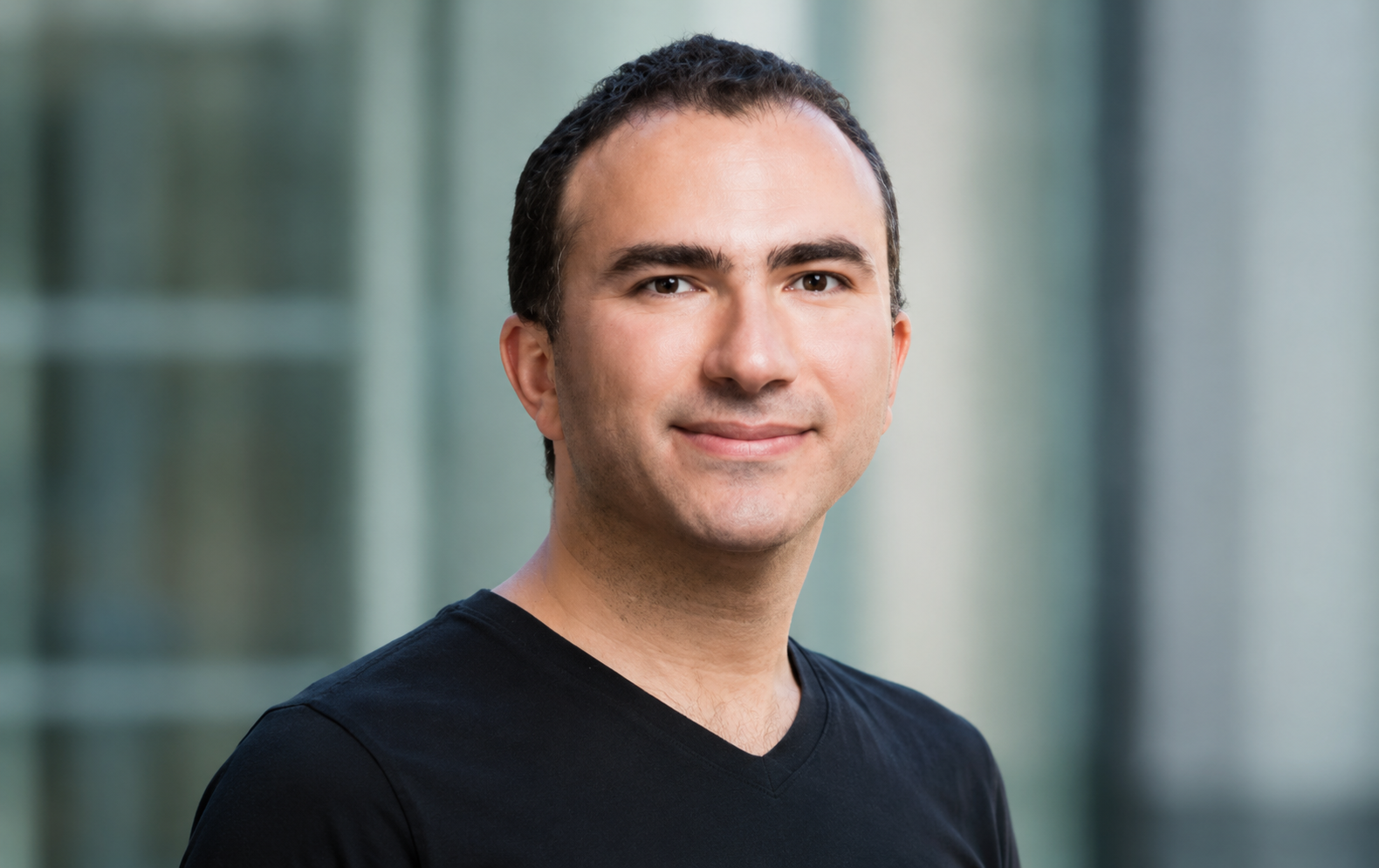
That is the kind of messy work Duncan Barrigan is now focused on with Lunos AI. After years in the payments world, including senior product and growth roles at GoCardless, Barrigan is building a company that looks beyond the payment itself and asks a bigger question: what if accounts receivable could be handled with the same intelligence, memory, and speed that modern businesses expect from their best software?
Lunos AI is built around that idea. It is not just another reminder tool for overdue invoices. Its goal is to act more like an AI accounts receivable partner, helping finance teams manage payment conversations, follow up with customers, track context, and reduce the repetitive work that often slows down cash collection.
Who is Duncan Barrigan
Duncan Barrigan is the Founder and CEO of Lunos, a fintech startup focused on accounts receivable automation through AI agents. His background matters because he is not coming at the problem from the outside. He has spent years around payments, product strategy, growth, and the operational realities of how businesses move money.
Before building Lunos AI, Barrigan worked at GoCardless, a company known for helping businesses collect payments through account-to-account payment infrastructure. During his time there, he held senior roles across product and growth, giving him a close view of how businesses think about getting paid, retaining customers, and improving financial workflows.
That experience seems to have shaped the core insight behind Lunos. Payments are important, but they are only one part of the accounts receivable problem. A business may have the right payment method in place, but it still has to manage the human side of collections. Someone has to follow up. Someone has to remember what the customer said last week. Someone has to check whether the invoice was disputed, whether the payment link was sent, whether the right person was contacted, and whether the promise to pay was actually kept.
That hidden layer of work is where Duncan Barrigan sees an opportunity for AI.
From GoCardless to Lunos AI
Barrigan’s move from GoCardless to Lunos AI makes sense when you look at how business payments really work. Payment platforms can help companies collect money more easily, but accounts receivable is broader than the transaction. It includes communication, negotiation, reminders, approvals, reconciliation, and timing.
A customer may receive an invoice but not pay because the wrong person received it. Another customer may need a purchase order attached. One may ask for a corrected invoice. Another may promise payment at the end of the month but then go quiet. These problems are not always solved by better payment rails alone.
They are workflow problems. They are communication problems. They are memory problems. And in many companies, they are still handled through email inboxes, spreadsheets, accounting systems, and a lot of manual checking.
This is where Lunos AI fits into Barrigan’s journey. Instead of only helping businesses process payments, Lunos is aimed at the messy work that happens before the money arrives. It is built for the follow-ups, the back-and-forth, and the small details that decide whether cash comes in smoothly or gets stuck for weeks.
Why accounts receivable is still so messy
Accounts receivable is one of those business functions that looks simple from the outside. A company sends an invoice, the customer pays, and the finance team records the payment. In practice, it is rarely that clean.
Finance teams often deal with problems like:
- Overdue invoices that need repeated follow-ups
- Customers asking questions across long email threads
- Payments arriving without clear invoice references
- Internal teams needing updates on account status
- Disputes that require context from sales, support, or operations
- Promises to pay that are easy to forget or miss
- Accounting systems that do not capture the full conversation
This is the hidden chaos that Duncan Barrigan is trying to solve. Accounts receivable can become a quiet drain on a company’s time, attention, and cash flow. It does not always look dramatic, but it creates real pressure.
A finance team may know that money is owed, but not have a clear view of which customers are likely to pay, which invoices are blocked, which messages need a response, and which conversations should be escalated. The result is a process that depends too heavily on human memory and manual effort.
For growing companies, that becomes harder to manage. More customers mean more invoices. More invoices mean more conversations. More conversations mean more chances for important details to get lost.
What Lunos AI is trying to change
Lunos AI is designed to help finance teams manage accounts receivable with less manual effort and more context. The company presents itself as an AI partner for receivables, which is a useful way to understand its position. It is not only about sending automated reminders. It is about helping teams handle the full conversation around getting paid.
In practical terms, Lunos AI aims to help with work such as:
- Reading and understanding payment-related messages
- Following up with customers about overdue invoices
- Keeping track of previous conversations
- Remembering promises to pay
- Helping finance teams know what needs attention
- Connecting receivables activity with finance and accounting workflows
- Reducing the manual back-and-forth that slows payment collection
The important point is that accounts receivable is not just data entry. It involves judgment, timing, tone, and context. A customer who is one week late may need a different message than a customer who has missed several promises. A large enterprise account may need a softer follow-up than a smaller customer with no history. A disputed invoice needs a different workflow than a forgotten invoice.
That is why Lunos AI is built around AI agents rather than basic automation alone.
How Lunos uses AI agents for accounts receivable
AI agents are becoming one of the most talked-about ideas in business software, but the best use cases are not always flashy. Sometimes the strongest use cases are the ones buried inside repetitive, high-volume, detail-heavy workflows. Accounts receivable is a good example.
For finance teams, an AI agent can do more than trigger a fixed reminder after a due date. It can help read context, understand the state of a conversation, decide what needs to happen next, and support the finance team with better timing and follow-through.
That matters because invoice follow-up is rarely a single-step process. A customer might say they never received the invoice. They might ask for bank details. They might claim the invoice amount is wrong. They might say the approver is away. They might promise to pay next Friday. A simple automated reminder does not fully handle that kind of messy, human exchange.
Lunos AI is trying to bring intelligence into this part of finance. The goal is to make receivables work feel less like endless chasing and more like a managed workflow where each customer conversation has memory, context, and clear next steps.
Why invoice follow-ups need more than automation
Traditional automation works well when the process is predictable. Send this email after seven days. Send another after fourteen days. Notify the team after thirty days. That can help, but it does not solve the deeper problem.
Invoice follow-ups need more than a schedule. They need context.
A good finance team knows when to be polite, when to escalate, when to wait, when to ask for clarification, and when to involve someone else inside the company. It knows that not every overdue invoice is the same. Some are delayed because of customer process. Some are blocked because of missing documentation. Some are being ignored. Some are simply lost in the inbox.
This is where Duncan Barrigan’s approach with Lunos AI becomes interesting. The product is aimed at work that has always required humans because it involves communication. AI now makes it possible to support that communication at scale, without forcing finance teams to manage every tiny step by hand.
The bigger problem Duncan Barrigan is solving for finance teams
The real value of accounts receivable automation is not just saving a few hours on reminder emails. It is helping companies improve how cash moves through the business.
When invoices are paid late, the effects can spread across the company. Cash flow becomes harder to forecast. Finance leaders spend more time explaining delays. Teams may hesitate to invest because money that should be available is still sitting in unpaid invoices. In some businesses, late payments can even affect payroll, supplier payments, and growth plans.
By building Lunos AI, Duncan Barrigan is going after a problem that is both operational and strategic. Better receivables management can help companies:
- Get paid faster
- Reduce days sales outstanding
- Spend less time chasing customers manually
- Keep cleaner records of payment conversations
- Improve visibility for finance leaders
- Reduce pressure on small finance teams
- Scale AR work without hiring large collections teams
For CFOs, controllers, and finance operations teams, that can be a meaningful shift. Accounts receivable is not only a back-office process. It is directly tied to working capital, customer relationships, and the health of the business.
Why Lunos AI matters in the future of B2B payments
Consumer payments have become faster and smoother over the past decade. People can tap a phone, send money instantly, or manage subscriptions with a few clicks. B2B payments, however, still often depend on invoices, emails, PDFs, purchase orders, approval chains, and manual reconciliation.
That gap creates a major opportunity for companies like Lunos AI.
B2B payments are not just slower because the payment methods are outdated. They are slower because businesses have more complex relationships. There are more stakeholders, more approval layers, more documentation requirements, and more room for delay.
AI agents could become an important part of this future because they can sit inside the messy middle of the workflow. They can help manage customer communication, understand the state of each invoice, and keep the process moving without requiring finance teams to constantly monitor every thread.
This is why Duncan Barrigan’s work with Lunos AI connects to a larger shift in fintech. The next wave of payment innovation may not only be about how money moves. It may also be about how businesses communicate, negotiate, and coordinate around money.
What makes Duncan Barrigan’s approach different
A lot of startups are adding AI to existing workflows, but founder experience matters. Duncan Barrigan brings a strong mix of payments knowledge, product thinking, and growth experience to Lunos AI.
His time at GoCardless gave him a close look at how businesses collect payments and where the pain points remain. That background helps explain why Lunos is not positioned as a generic AI assistant. It is focused on a specific finance problem with a clear business outcome: helping companies manage receivables more effectively.
That focus matters. Accounts receivable is not a place where companies can afford careless automation. Payment conversations affect customer relationships. A poorly timed message can create tension. A wrong response can create confusion. A missed escalation can delay cash even further.
The challenge is to build AI that is useful, careful, and grounded in the realities of finance work. Barrigan’s approach appears to be centered on exactly that: using AI to support finance teams in a workflow that is repetitive but still sensitive.
Lunos AI and the rise of AI workers in finance
Finance is becoming one of the most important areas for AI workers because it is full of structured data, recurring workflows, and high-value decisions. Teams need speed, accuracy, and auditability. They also need tools that can reduce manual work without creating new risks.
Lunos AI fits into this trend by applying AI agents to a process that many companies already know is broken. Instead of asking finance teams to jump between inboxes, spreadsheets, accounting platforms, and Slack updates, the product is aimed at creating a more active layer for receivables work.
The idea of an AI worker in finance is not that humans disappear. It is that humans stop spending so much time on repetitive chasing and start focusing on the exceptions that need real judgment.
In accounts receivable, that could mean AI handles routine follow-ups, tracks context, and flags important issues, while finance professionals focus on disputes, relationship-sensitive accounts, and strategic cash management.
That balance is important. The best finance AI tools will not simply automate for the sake of automation. They will help teams work with more control, better context, and less noise.
Challenges Lunos AI will need to navigate
The opportunity for Lunos AI is clear, but the category also comes with real challenges.
Finance teams need to trust any AI tool before allowing it to communicate with customers or influence payment workflows. Accuracy matters. Tone matters. Context matters. A message about money must be handled carefully because it can affect both cash collection and customer relationships.
There are also integration challenges. Accounts receivable work often touches accounting systems, customer relationship management tools, email inboxes, payment processors, and internal communication platforms. For AI agents to be genuinely useful, they need reliable access to the right data and a clear understanding of what has already happened.
Another challenge is control. Different companies have different policies for collections. Some want a friendly tone for all customers. Others want firmer escalation paths. Some require approval before certain messages are sent. Others may want AI to suggest actions but not take them automatically.
For Duncan Barrigan and the Lunos AI team, the path forward will likely depend on making the product powerful enough to reduce work, but controlled enough for finance leaders to trust it.
Why Duncan Barrigan’s Lunos story is worth watching
Duncan Barrigan is building Lunos AI in a space that does not always get much attention, but quietly affects almost every business. Accounts receivable is not usually seen as exciting, yet it sits at the center of cash flow, customer communication, and business stability.
That is what makes the story interesting. Lunos is not trying to invent a problem for AI to solve. It is applying AI agents to a real operational pain point that finance teams have dealt with for years.
The company’s early funding from investors such as General Catalyst and Cherry Ventures adds momentum, but the bigger story is the problem itself. If Lunos can help companies reduce manual invoice chasing, improve payment conversations, and bring more intelligence to receivables, it could become part of a much larger shift in how businesses manage money.
For Barrigan, the achievement is not only launching another fintech startup. It is taking a familiar, frustrating business process and asking whether AI can finally make it work the way modern finance teams need it to work.