Recruiting has always had one big weakness. A resume can tell you where someone worked, what title they held, and which keywords they know how to use. What it cannot always show is how a candidate thinks, explains ideas, handles follow-up questions, or connects their experience to a real role.
That gap is becoming harder to ignore. With AI tools now helping people polish resumes, write cover letters, and prepare scripted interview answers, recruiters are facing more noise at the top of the hiring funnel. Many applicants look strong on paper, but paper is no longer enough.
This is the problem Ophir Samson is trying to solve through Ezra, a voice AI recruiting platform built around structured conversations. Instead of asking recruiters to judge candidates only from a document, Ezra gives applicants a chance to speak, explain, and show more of who they are. For hiring teams, the platform is designed to surface clearer signals earlier in the process, so recruiters can spend less time sorting through resumes and more time building real relationships with the right candidates.
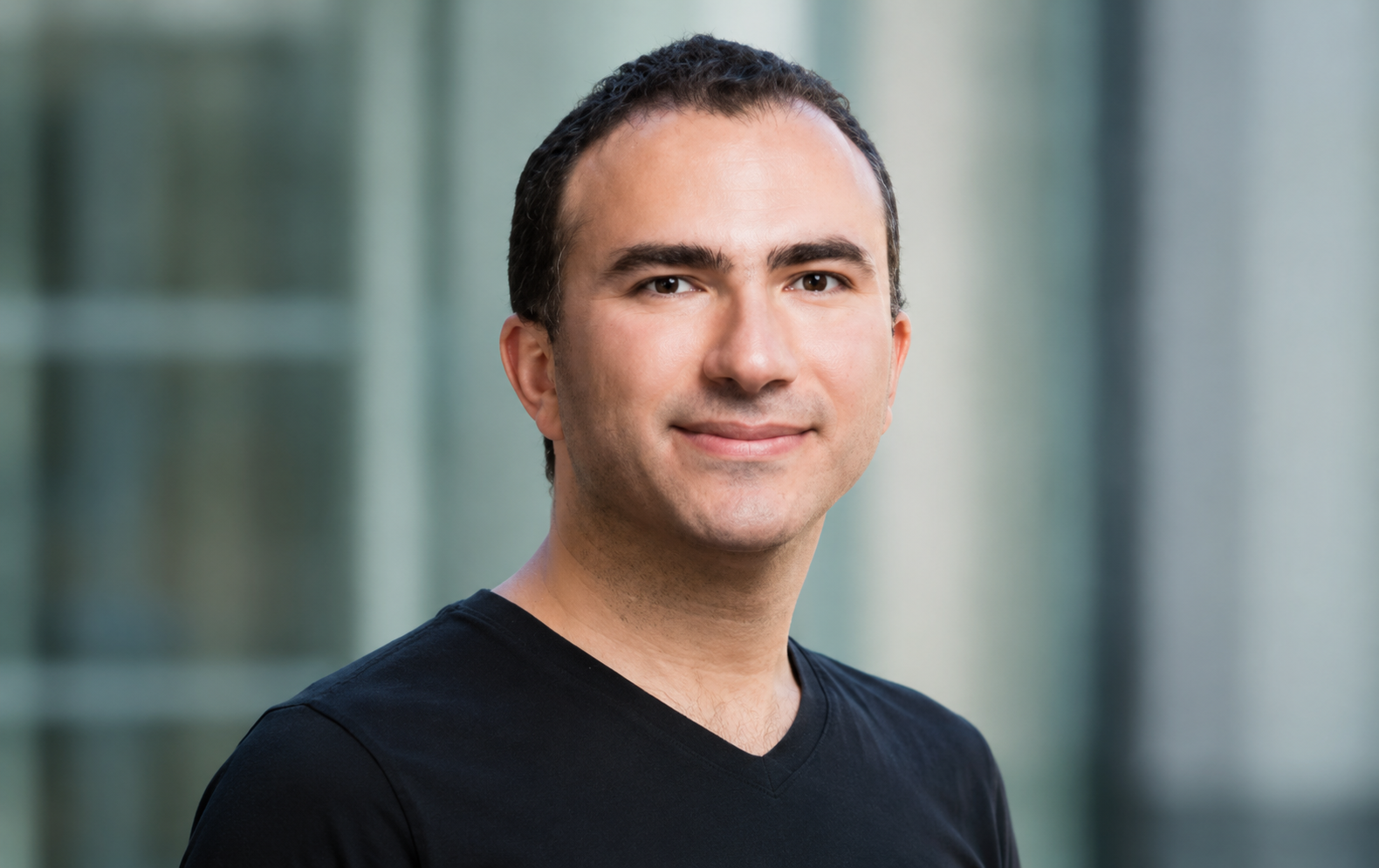
Who is Ophir Samson
Ophir Samson is the Founder, CEO and CTO of Ezra AI Labs, a company focused on bringing voice AI into recruiting in a more practical and human-centered way. His background gives him an unusual mix of technical depth, business experience, and product judgment.
He is described by Ezra as a second-time voice AI founder. Before building Ezra, he worked across engineering, partnerships, and research, with experience connected to GM, Aurora, and MIT. He also holds a PhD from Imperial and an MBA from Stanford. That combination matters because recruiting technology is not only a software problem. It sits at the intersection of machine learning, human behavior, communication, fairness, and business operations.
Ophir Samson’s work with Ezra reflects that mix. The company is not simply trying to create another resume filter. It is trying to rethink how recruiters find real candidate signal when the old signals are becoming easier to fake or over-optimize.
What Ezra is building
Ezra is a voice AI interviewing platform for recruiting teams. In simple terms, it helps companies run structured voice interviews with candidates, especially in the early stages of hiring.
A recruiter can set the questions, role requirements, and signals they want to evaluate. Ezra then conducts voice-based interviews with candidates and organizes the results into a clearer review format. Recruiters can see candidate rankings, scores, transcripts, videos, and communication insights, depending on how the workflow is set up.
The important part is that Ezra is built around conversation, not just keyword matching. A resume might say a candidate has sales experience, customer support experience, or technical knowledge. A voice interview can go further by asking how they handled a specific situation, what they learned from it, and how they would apply that experience to the role in front of them.
That is where Ezra’s value becomes clearer. It gives hiring teams a way to hear more candidates without forcing recruiters to manually schedule and conduct every first-round call.
Why resumes are no longer enough
The resume is not dead, but it is less reliable than it used to be. For many roles, recruiters receive hundreds or even thousands of applications. A large share of those applications may contain similar keywords, polished bullet points, and AI-assisted wording.
This creates a difficult situation for talent teams. If recruiters rely too heavily on resume screening, they may miss strong candidates who do not have perfect formatting or the exact right keywords. At the same time, they may advance candidates whose resumes look impressive but do not reflect true fit.
That is the problem Ophir Samson is addressing with Ezra. The goal is not to ignore resumes completely. The goal is to stop treating the resume as the full story.
A candidate may be better than their resume suggests. Someone may have strong communication skills, clear reasoning, useful domain knowledge, or a thoughtful way of solving problems, but none of that may stand out in a one-page document. Voice AI gives recruiters another layer of information before they decide who should move forward.
How voice AI helps recruiters see beyond the resume
Voice AI can help recruiters understand candidates in a way that static documents cannot. A structured voice interview can reveal how a person explains their experience, how clearly they answer role-specific questions, and whether they can connect their background to the actual job.
This does not mean every candidate needs to sound polished or perfectly rehearsed. In fact, the point is almost the opposite. A real conversation can show nuance. It can show how a candidate thinks through an answer. It can also give recruiters a better sense of whether the person understands the work, not just the keywords attached to it.
For recruiters, this can be especially useful in high-volume hiring. Instead of choosing from a large pile of resumes, they can review structured interview outputs and focus attention on candidates who show stronger signals. Ezra’s model is built around helping teams separate signal from noise at the top of the funnel.
That phrase matters because recruiting is not only about finding more applicants. Most companies already have enough applicants. The harder challenge is finding the right people inside a crowded pool.
Structured interviews make comparison easier
One reason structured interviews are valuable is that they make evaluation more consistent. If every candidate is asked completely different questions, recruiters may end up comparing people unfairly. Some candidates get a chance to explain their strengths, while others never get the right opening.
Ezra is designed to ask role-specific questions in a structured way. That means recruiters can compare candidates across the same criteria instead of relying only on instinct or resume assumptions.
This can help in several ways. It gives every applicant a more consistent opportunity to respond. It gives hiring teams cleaner information. It also helps recruiters spot patterns across a candidate pool, such as who communicates clearly, who understands the role, and who can explain relevant experience with confidence.
For Ophir Samson, this is one of the bigger ideas behind Ezra. Voice AI is not just about speed. It is about creating a better path from application to human review.
Helping recruiters without replacing them
One of the biggest concerns around AI in hiring is that it could remove the human side of recruitment. That concern is understandable. Hiring decisions affect careers, income, teams, and companies. They should not be treated like a simple automation task.
Ezra’s positioning is different. It is built to support recruiters, not replace them. The platform can help with repetitive early screening work, organize interview results, and highlight candidates who may deserve a closer look. But the final hiring decision remains with the human recruiting team.
That distinction is important. A good recruiter does more than process applications. Recruiters build trust, understand team needs, guide candidates through the process, and help hiring managers make better decisions. AI can remove some of the administrative pressure, but it cannot replace the judgment that comes from human context.
This is where Ezra’s approach feels more balanced. It uses voice AI to handle scale, while leaving the relationship-building and decision-making where they belong.
Why candidate experience matters
A hiring process can feel discouraging when candidates send applications and never hear back. Many people know the feeling of uploading a resume into a system and wondering whether anyone will actually read it.
Ezra’s voice interview model gives candidates another way to be seen. Instead of being filtered out because a resume lacks a certain keyword, they can answer questions, explain their background, and make a case for themselves.
That can be especially useful for candidates with nontraditional paths. Not every strong applicant has a perfect career ladder. Some people change industries, learn through hands-on work, take career breaks, or build skills outside traditional job titles. A resume may flatten those stories. A voice conversation can bring more of them forward.
This does not mean every voice interview will be perfect. The design of the questions, the fairness of the evaluation criteria, and the transparency of the process all matter. But when done thoughtfully, voice AI can make early hiring feel less like a silent filter and more like an actual opportunity to speak.
Ezra and the future of talent acquisition
Ezra is part of a wider shift in talent acquisition. Companies are no longer dealing with the same hiring environment they had a few years ago. Application volume has grown. AI-written resumes are common. Candidates can use tools to prepare stronger answers. Recruiters are under pressure to move faster without lowering quality.
In that environment, the old playbook becomes weaker. Keyword screening alone cannot tell a recruiter enough. Manual screening calls take too much time when a role attracts hundreds of applicants. Hiring teams need tools that help them understand people earlier without creating more work.
Ezra’s seed funding also shows that investors see this as a real market problem. The company raised $3.2 million in seed funding, with support from investors including Penny Jar Capital, LMNT Ventures, a16z Speedrun, and Telegraph Hill Capital. That funding gives Ezra more room to build its product around voice conversations, structured evaluation, and recruiter workflows.
The bigger trend is clear. Recruiting teams are looking for better signals, not just bigger applicant lists. Ophir Samson’s work with Ezra fits directly into that shift.
Ophir Samson’s achievement with Ezra
The achievement of Ophir Samson is not only that he is building a voice AI platform. It is that he is building it around a timely and very real problem in hiring.
Recruiters are overwhelmed by volume. Candidates are frustrated by filters. Hiring managers want stronger shortlists. Companies want speed, but they also want confidence. Ezra sits in the middle of those needs.
By focusing on voice, Ophir Samson is pushing recruitment away from a resume-only model and toward a more conversational one. That matters because people are rarely represented fully by a document. A candidate’s ability to explain, adapt, listen, and think through a question can be just as important as what appears in a resume summary.
His background in voice AI, engineering, research, and business gives the company credibility. It also helps explain why Ezra is not being framed as a simple automation tool. The product is more ambitious than that. It is trying to help recruiters find real human signal in a hiring process that has become crowded, noisy, and easier to manipulate.
Why this work stands out
Ophir Samson’s work with Ezra stands out because it treats AI as a tool for better judgment, not a shortcut around judgment.
That is the difference between useful recruiting technology and shallow automation. Shallow automation moves candidates through a funnel faster. Useful technology helps recruiters understand candidates better, make comparisons more fairly, and spend their human time where it matters most.
Ezra’s voice AI approach is built on the idea that candidates deserve more than a resume scan and recruiters deserve better information than a keyword match. The platform gives hiring teams a way to interview more people, organize the results, and focus on the candidates who show the strongest role-related signals.
For companies, that can mean faster screening and stronger shortlists. For recruiters, it can mean less time buried in admin and more time spent with serious candidates. For applicants, it can mean a better chance to tell their story before being judged only by a document.
That is why Ophir Samson’s work with Ezra is worth watching. It connects a clear business problem with a more human use of AI. In a hiring world full of polished resumes and overloaded recruiters, voice may become one of the most useful ways to bring real candidate signal back into the process.