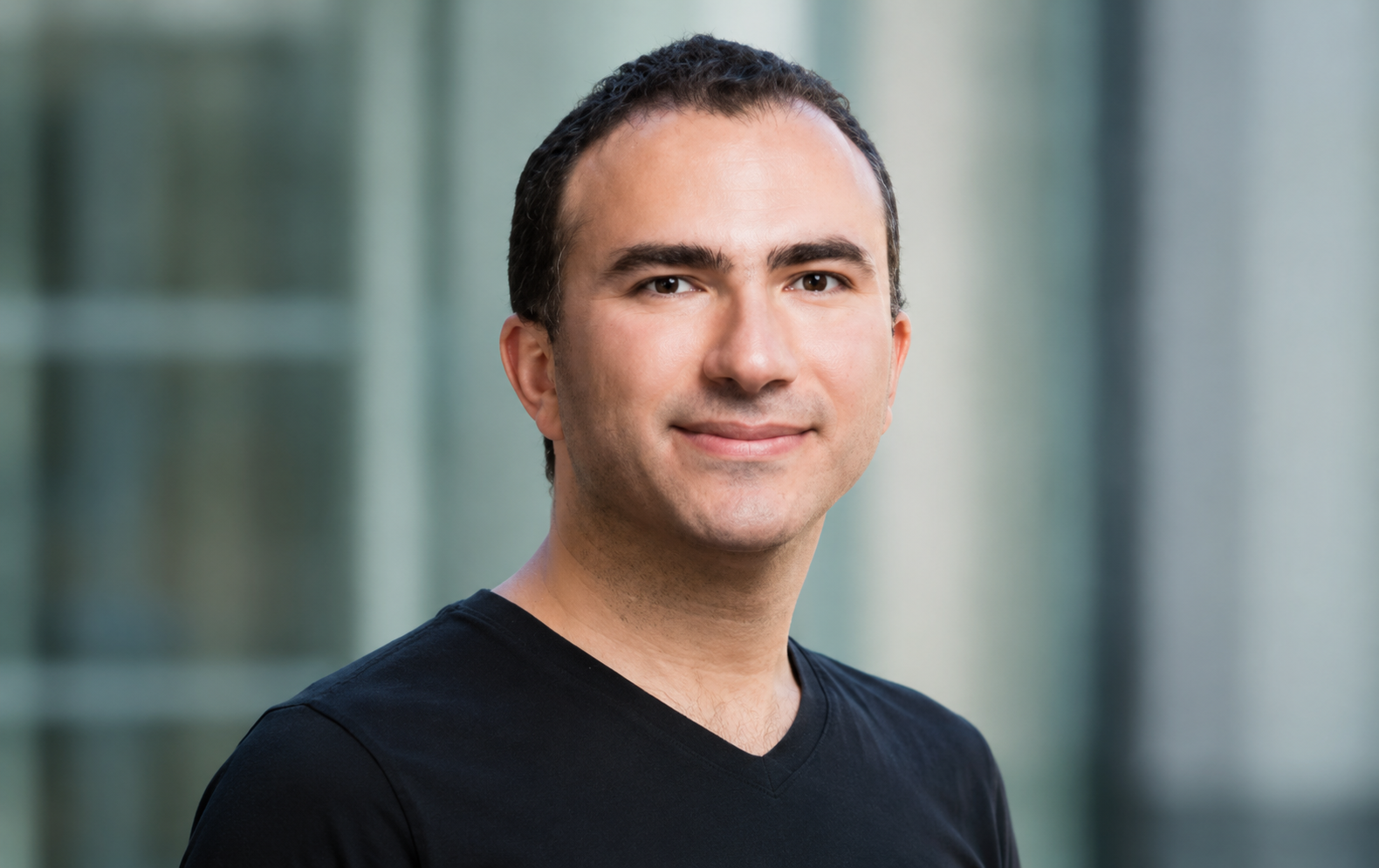
With nearly two decades of experience in media buying, publisher management, and performance marketing, Sellet Media founder Lindsay Telles is building a relationship-first company focused on strategy, audience quality, and responsible growth.
In digital advertising, traffic has become easier to buy than ever before.
Businesses can launch campaigns across multiple channels, test creative messages quickly, and use technology to measure clicks, views, responses, and conversions. Artificial intelligence and automation have made campaign execution faster, while performance dashboards give advertisers more data than many teams know how to interpret.
But Lindsay Telles believes one question still matters more than access to media inventory: is the campaign reaching the right audience, in the right environment, with the right offer and the right expectations?
That question sits at the center of Sellet Media, the performance-marketing company Telles founded after nearly two decades in media buying, publisher management, and campaign strategy.
Sellet Media helps brands, advertisers, and agencies connect with audiences through publisher relationships, media buying, lead generation, and targeted distribution. Rather than building the company around the most traffic or the largest possible network, Telles has shaped Sellet Media around quality relationships, campaign alignment, and measurable business outcomes.
“More traffic does not automatically create more growth,” Telles says. “If the audience, offer, and publisher relationship are not aligned, a campaign can create activity without creating meaningful results.”
For Telles, performance marketing is not only about buying access to attention. It is about understanding whether that attention can become qualified interest, better conversations, and sustainable growth.
Who Is Lindsay Telles, Founder of Sellet Media?
Lindsay Telles is the founder and CEO of Sellet Media, a performance-marketing company built around publisher relationships, strategic campaign alignment, and responsible scaling.
Her career began in the media industry in an administrative role before she moved into account management, media buying, publisher relations, and business development. Over time, she became part of the leadership team of a multimillion-dollar media business, gaining firsthand experience with the operational and strategic decisions required to grow a performance-driven company.
That progression gave Telles a practical view of the full advertising process. She learned what advertisers expect from media partners, how publishers evaluate offers, and why communication matters when a campaign involves multiple parties, traffic sources, creative assets, and financial expectations.
Her background also taught her that campaign performance cannot be measured only by the easiest number to report.
A high click-through rate may look promising while producing weak leads. A low cost per lead may create more work for a sales team without generating meaningful revenue. A publisher may offer substantial volume but still be the wrong fit for a specific advertiser, offer, or audience.
Telles eventually founded Sellet Media to help advertisers and publishers make more deliberate decisions before increasing campaign volume. Her philosophy is simple: campaigns should not be scaled because traffic is available. They should be scaled because the fundamentals are working.
What Does Sellet Media Do in Performance Marketing?
Sellet Media works with brands, advertisers, and agencies to create performance-marketing campaigns through media buying, publisher relationships, lead generation, and targeted distribution.
The company’s role is not limited to placing media. Sellet Media helps clients evaluate whether a campaign has the right structure to perform, including the audience being reached, the publisher relationship being used, the offer being promoted, and the business process that follows after a prospect responds.
That broader view matters because advertising does not operate in isolation.
A campaign can send traffic to a landing page, but the message must be clear. A publisher can introduce an offer to an audience, but the offer must fit the audience’s expectations. A lead source can create response, but the advertiser’s follow-up process must be prepared to convert that interest into revenue.
When those elements are aligned, performance marketing can become a meaningful growth channel. When they are misaligned, more traffic may only magnify the weakness.
Telles built Sellet Media to help clients identify those issues before committing more budget to campaigns that are not ready to scale.
Why Does Lindsay Telles Prioritize Quality Traffic Over More Traffic?
Many businesses approach marketing with a volume mindset. They want more clicks, more leads, more impressions, more placements, and more reports. Those metrics can be useful, but they do not always reveal whether a campaign is creating business value.
Telles saw that problem repeatedly throughout her career. Companies were spending money, launching campaigns and receiving performance reports, yet many still lacked a clear understanding of whether the marketing was producing sustainable results.
“Marketing should solve business problems, not create more activity,” Telles says. “The goal is not to be busy. The goal is to understand what is working, why it is working, and whether it can scale responsibly.”
That belief became part of Sellet Media’s foundation.
Quality traffic is different from more traffic. Quality traffic comes from a better match among the audience, publisher, offer, and business objective. It is more likely to produce qualified interest because the campaign appears in an environment where the message has a legitimate reason to belong.
More traffic, by contrast, can create the appearance of momentum without improving the actual business outcome. A campaign may produce more clicks while adding unqualified leads, increasing sales-team workload, or exposing weaknesses in the landing page, offer, or follow-up process.
For Telles, the question is not simply whether a campaign can generate response. The question is whether that response can become useful, measurable growth.
How Do Publisher Relationships Give Sellet Media an Advantage?
Publisher relationships are central to Sellet Media’s business model.
The company reports having developed more than 3,500 publisher relationships and worked across more than 500 campaigns. Those figures demonstrate reach, but Telles views the value of a publisher relationship as deeper than access to inventory.
Publishers understand their audiences in ways that cannot always be captured in a spreadsheet or dashboard. They know what their readers, viewers, or subscribers pay attention to. They understand which subjects create engagement, which messages create resistance, and how often promotional content can appear before it begins to weaken trust.
That knowledge can make the difference between a campaign that merely generates traffic and one that reaches people with a legitimate reason to care.
“Publishers are not interchangeable sources of clicks,” Telles says. “Each one has its own audience, voice, and relationship with the people it reaches. Understanding those differences is one of the most important parts of building a campaign.”
This is why Sellet Media focuses on matching advertisers with publisher relationships that make sense for the audience, offer, and campaign objective.
A large publisher may not always be the best fit. A smaller publisher with a more engaged or relevant audience may produce stronger results because the message appears in a more credible context. The strongest partnerships create value in every direction: the advertiser receives better-qualified attention, the publisher protects the trust it has built, and the audience receives a message that is relevant instead of disruptive.
Why Should Advertisers Scale Campaigns Only After the Fundamentals Work?
Scaling is one of the most attractive promises in performance marketing.
When a company identifies a campaign that works, increasing budget can create more opportunities, more leads, and more revenue. But Telles believes scale should be earned by performance, not used as a substitute for strategy.
Before increasing spend, advertisers should understand where results are coming from, which publishers are producing qualified prospects, and where potential customers may be leaving the buying process. They should also know whether their offer, landing page, sales process, and follow-up systems can handle additional demand.
If those pieces are not working, a larger campaign may drive more people into a system that is already losing them.
“Scale is valuable only after the fundamentals are working,” Telles says. “Moving quickly matters, but moving quickly in the wrong direction is still expensive.”
This is one reason Sellet Media works with a deliberately focused client model. The company is designed to stay close to strategy, execution, and performance rather than becoming so large that campaigns are reduced to transactions.
That hands-on structure allows Telles and her team to evaluate whether a campaign needs more time, a stronger message, a better publisher fit, or a different strategy altogether. For Telles, responsible growth means having the discipline to pause, adjust, or decline opportunities that do not have a credible path to perform.
How Does Lindsay Telles View AI in Performance Marketing?
Artificial intelligence is changing how marketers analyze data, produce content, test creative ideas, and optimize campaigns.
Telles welcomes those advancements. She believes AI can help advertisers and media partners work faster, identify patterns earlier, and make campaign operations more efficient. However, she does not believe AI replaces judgment.
Technology can show what happened in a campaign. It can help teams compare performance, identify trends, and automate parts of the workflow. But it does not always explain why one publisher relationship works while another fails, or whether an offer belongs in a particular audience environment.
That still requires experience, communication, and context.
“AI should enhance strategic decision-making, not replace it,” Telles says. “The technology is powerful, but judgment still matters when you are deciding whether the audience, offer, and publisher relationship truly fit.”
This is especially important as advertising becomes easier to produce. When more companies can create campaigns quickly, audiences may become even more selective about what deserves their attention. Publishers will need to protect the trust they have built, and advertisers will need to be more thoughtful about where and how their messages appear.
Telles believes the strongest companies will use technology without surrendering the human judgment that makes campaigns credible, relevant, and sustainable.
What Does Responsible Growth Mean at Sellet Media?
Responsible growth is one of the clearest themes in Telles’s leadership.
Sellet Media is not built around being everything to everyone. The company’s model is intentionally focused on clients and partners who value clarity, communication, and measurable results.
For advertisers, responsible growth means understanding what is working, what needs to change, and when a campaign is ready to scale. For publishers, it means receiving offers that respect the audience relationship. For Sellet Media, it means staying accountable to the business outcome rather than simply documenting how much media was purchased.
This philosophy also reflects Telles’s broader view of relationships.
She has built much of her career around connecting advertisers, publishers, and strategic partners. She enjoys identifying opportunities where the parties involved can create value together rather than treating each campaign as a short-term transaction.
That relationship-first approach has become increasingly important in an industry where technology can sometimes make marketing feel impersonal.
Telles believes responsiveness, transparency, and follow-through remain competitive advantages. Clients need to know how decisions are being made. Publishers need timely communication. Internal teams need clarity about which performance indicators matter and how campaigns will be evaluated.
When communication breaks down, small issues can become expensive problems. When communication is strong, partners are more likely to identify what is working, solve problems quickly, and make better decisions about scale.
How Does Lindsay Telles’s Leadership Shape Sellet Media’s Future?
Telles’s leadership style is shaped by both professional experience and personal responsibility.
Outside of business, she is a mother of five. Balancing entrepreneurship with family life has strengthened her organization, resilience, and ability to adapt under pressure. Those qualities also influence how she leads Sellet Media and works with clients, publishers, and partners.
Telles also uses her public platforms to share different sides of that work. She connects with advertisers, publishers, and industry professionals on LinkedIn, while offering a more personal look at entrepreneurship and family life on Instagram.
Her approach emphasizes direct communication, accountability, and long-term thinking.
That commitment has also been recognized outside day-to-day campaign work. In 2026, Sellet LLC, which operates publicly as Sellet Media, was named a finalist for the Better Business Bureau Torch Awards for Ethics, reflecting the company’s emphasis on integrity, transparency, and ethical business practices.
For Telles, ethics and performance are not separate ideas.
Results matter. But how those results are pursued also matters, especially in a business built on relationships among advertisers, publishers, and audiences.
As digital advertising continues to evolve, Telles expects AI, automation, and data analytics to play a larger role in campaign execution. But she also believes the industry’s future will depend on something more durable than technology alone: trust.
Advertisers will need partners who can help them reach the right audiences without wasting budget on empty activity. Publishers will need relationships that protect the credibility they have earned. Audiences will continue to reward messages that feel relevant, useful, and placed in the right context.
After nearly two decades in media buying, publisher management, and performance marketing, Lindsay Telles has built Sellet Media around that belief.
The future of performance marketing will not be defined only by who can buy the most traffic. It will be defined by who can turn the right relationships, the right strategy, and the right audience into measurable, responsible growth.