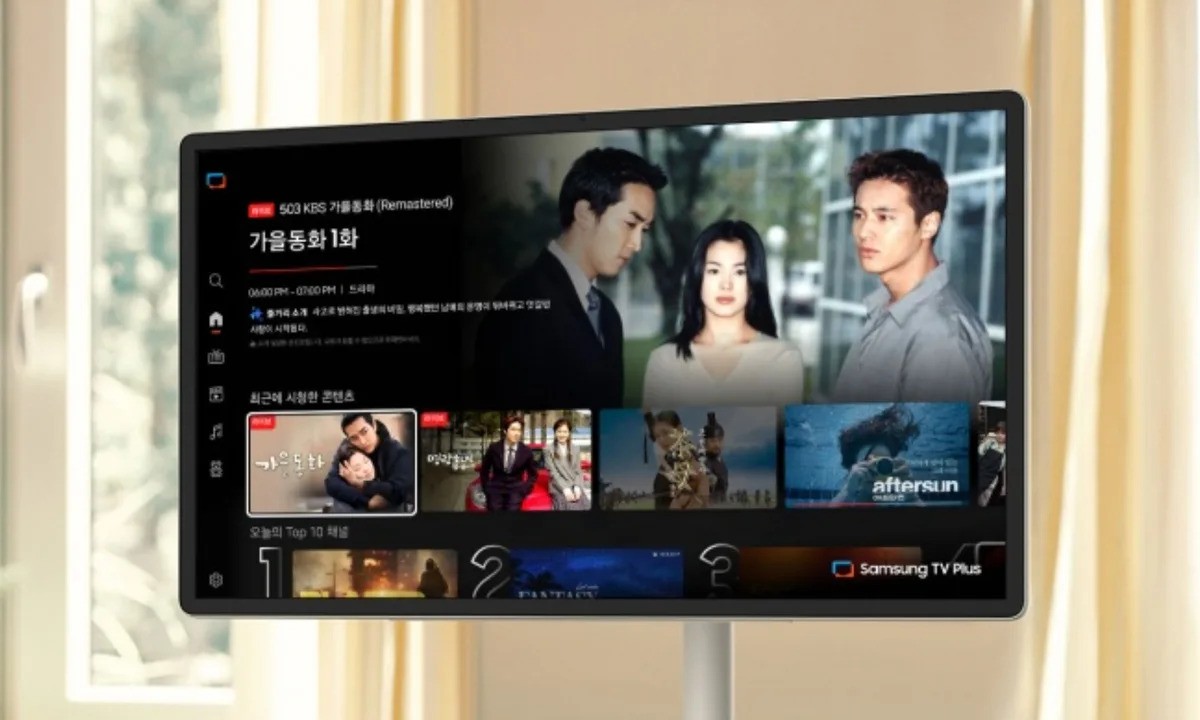
Samsung is quietly showing how much television innovation now lives in software, not just screen hardware. The company has rolled out a new AI-driven feature on Samsung TV Plus that brings classic Korean dramas from the 2000s into the 4K era, without the traditional remastering process.
Instead of restoring each show individually, Samsung is applying AI upscaling at the channel level. The result is a dedicated TV Plus channel that streams older K-dramas enhanced in real time using Samsung’s on-device AI video processing technology. It is a subtle move, but one that highlights how artificial intelligence is reshaping the way streaming platforms handle legacy content.
According to Samsung, the approach avoids the heavy cost and time commitment that comes with full remasters. Traditional restoration often requires frame-by-frame work, manual cleanup, and new mastering pipelines. By contrast, AI upscaling analyzes incoming video on the fly, improving clarity, refining edges, enhancing textures, and reducing noise before the image ever reaches the screen.
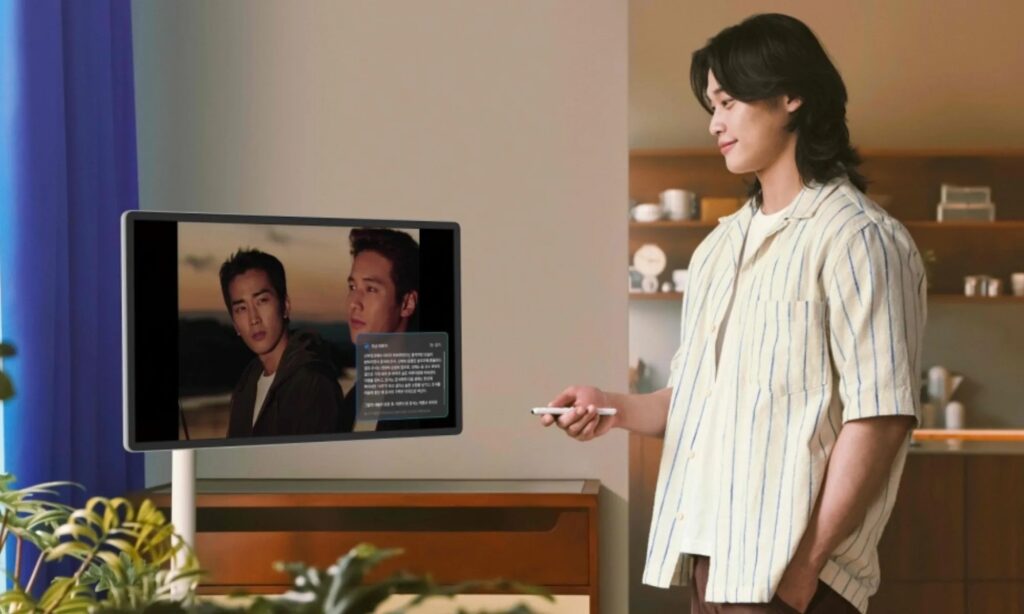
This is the same AI processing Samsung already uses across its premium smart TV lineup, now extended directly into the streaming experience. Viewers watching older dramas on large 4K displays often notice soft visuals, grainy scenes, and blurry facial details. These issues become even more obvious on 55-inch and 65-inch panels designed for ultra-high-definition content. Samsung’s channel-wide AI solution is designed to address that mismatch.
Korean dramas remain globally popular, with audiences regularly revisiting older series alongside newer releases. Yet many early 2000s productions were never intended for modern resolutions. Streaming them unchanged can feel dated on today’s displays. Samsung’s AI-based solution aims to make these shows feel more at home on current hardware, without altering the original storytelling or cinematography.
Samsung TV Plus plays a key role here. The service is free, requires no subscription, and comes preinstalled on many Samsung smart TVs. By upgrading visual quality at the platform level, Samsung improves perceived value without adding friction for viewers. It also reinforces the idea that smart TVs are evolving into intelligent media hubs rather than simple display devices.
The move aligns with a broader industry trend. Streaming services are under pressure to expand libraries while controlling costs. AI-driven processing offers a middle ground between leaving older content untouched and investing in expensive remastering projects. Similar techniques are already being explored across film restoration, archival footage enhancement, and real-time video processing, as outlined in coverage of AI upscaling technologies on sites like Digital Trends and Samsung’s own Newsroom.
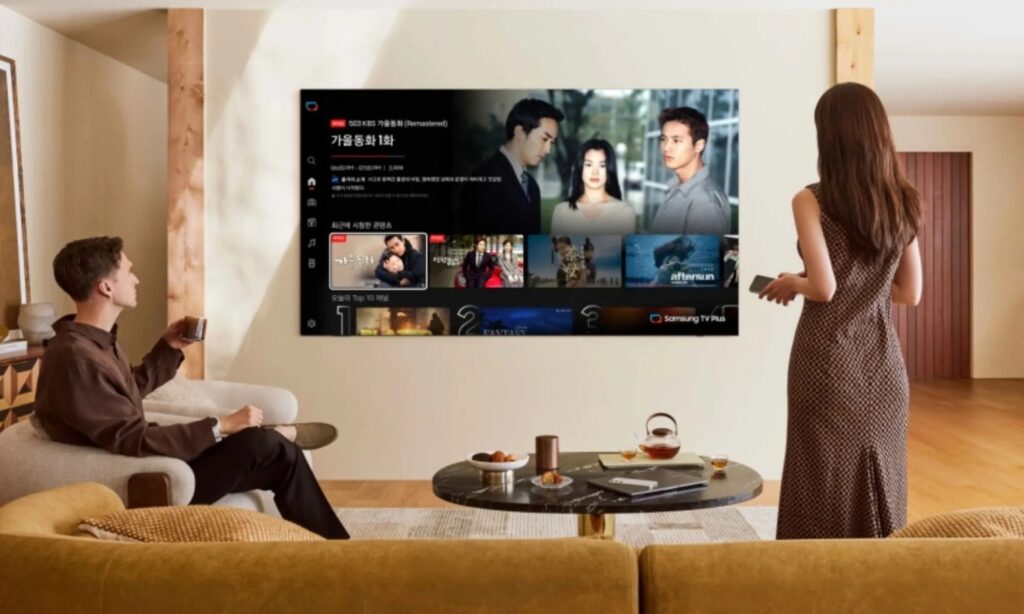
While Samsung has not confirmed whether the AI upscaling feature will extend beyond classic K-dramas, the implications are clear. If successful, the same method could be applied to other genres, older TV series, or even niche content libraries within TV Plus. Over time, this could change how streaming platforms think about content longevity and visual quality.
For viewers, the benefit is simple. Familiar shows look cleaner and more watchable on modern screens, without requiring any settings changes or additional subscriptions. For Samsung, it is another example of how AI software can differentiate hardware in an increasingly competitive smart TV market.
As streaming continues to evolve, real-time AI enhancement may become less of a novelty and more of a standard expectation. Samsung’s latest experiment suggests that the future of high-quality viewing may rely just as much on intelligent processing as it does on pixel counts and panel technology.