For anyone who still misses the days when phones were genuinely easy to use with one hand, the latest iPhone Fold rumors feel surprisingly encouraging. According to recent leaks, Apple’s long discussed foldable phone may finally deliver something many smartphone fans have been asking for: a truly pocket friendly design without sacrificing screen space.
Multiple reports suggest the folded iPhone could feature a cover display measuring roughly 5.3 to 5.5 inches. That puts it noticeably smaller than today’s standard iPhones when closed, and much closer to the size of devices like the iPhone 13 mini. While Apple has not confirmed anything officially, these dimensions alone make the rumored design stand out in a market where phones keep getting taller and wider.
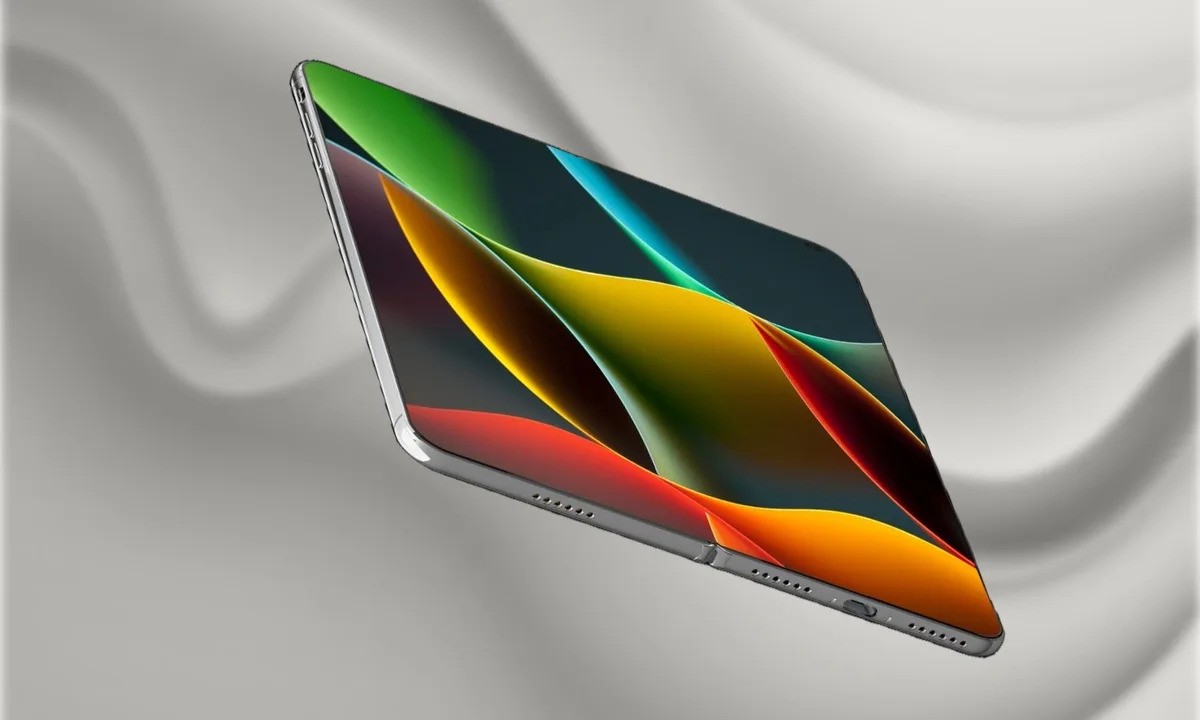
The idea feels more tangible now thanks to a rough 3D printed mockup created using recent leak data and shared by MacRumors. Holding a physical model, even an unofficial one, makes it easier to picture how Apple’s first foldable iPhone could feel in daily use. If current expectations hold, this device would mark Apple’s biggest change to the iPhone form factor since the original launch back in 2007.
The cover screen is where small phone fans should pay attention. A folded display in the mid 5 inch range would make the device easier to grip, simpler to pull from a pocket, and far more comfortable for one handed use than most modern smartphones. One leaked mockup even lists a 5.49 inch outer screen, which puts it firmly in compact phone territory despite being foldable.
When unfolded, the experience shifts completely. Reports claim the inner display could land somewhere between 7.6 and 7.8 inches. That would make it larger than any iPhone screen Apple has ever shipped, yet still smaller overall than an iPad mini. The rumored layout is described as short and wide, using a 4:3 aspect ratio similar to what Apple already favors on its tablets. This book style design would focus more on productivity, reading, and media consumption rather than extreme multitasking.
Portability is clearly the core selling point here. Compared to Samsung’s Galaxy Fold lineup, Apple’s foldable iPhone is expected to be shorter when folded, creating a squatter and potentially easier to handle shape. That could make it feel more natural in the hand, especially for users who never fully adjusted to tall, narrow phones.
That said, comfort is not only about screen size. Folded thickness and width play a big role in how a phone fits into real world pockets. Some analysts argue that while the device might feel great to hold, it could sit awkwardly in tighter jeans depending on how thick the folded chassis ends up being. Apple will need to balance durability, battery capacity, and portability very carefully.
The appeal of a foldable design is the flexibility it offers. You get a compact phone for quick tasks like messaging, navigation, and scrolling, then a much larger display when you want to read, watch videos, or multitask. But this also puts pressure on Apple’s software decisions. The cover screen will need a smart, efficient interface that avoids feeling cramped during everyday use.
The comparison to the iPhone 13 mini is helpful here. That phone proved there is still demand for smaller devices, but it also highlighted the compromises that come with shrinking hardware. Battery life and UI spacing were frequent complaints for certain users. Even with a foldable design, those tradeoffs do not disappear entirely. You are still relying on a smaller external display much of the time.
Details around hardware are still shifting. MacRumors has been clear that the current mockups are not exact representations of the final product. Hinge design remains a big question, with thickness estimates ranging from around 4.5mm to 4.8mm when unfolded. The camera layout is also unknown, leaving plenty of room for speculation.
One feature Apple will be under pressure to get right is the crease. If Apple can deliver an almost invisible fold line, it could instantly set its foldable apart from competitors. Hinge engineering may end up being the real headline feature once the device is officially revealed.
Availability could be another challenge. While the foldable iPhone is widely expected to be announced in 2026, some supply chain reports suggest limited production could make it difficult to buy at launch. In a worst case scenario, broader availability might not happen until 2027, even if Apple introduces the device earlier.
Until Apple says something publicly, everything remains rumor and educated guesswork. Still, the idea of a foldable iPhone that finally brings back the feel of a small phone is enough to get longtime fans interested. For users who never stopped missing compact devices, this could be the closest thing yet to a modern answer.