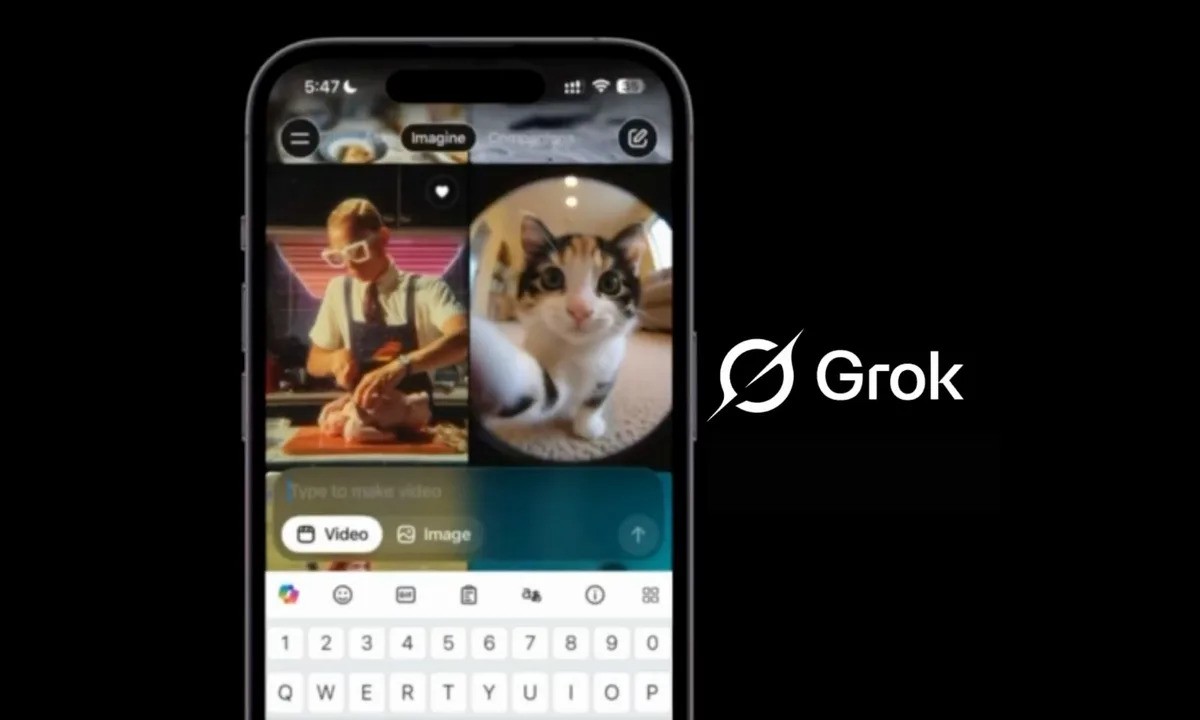
Grok, the AI chatbot backed by Elon Musk and built directly into X, has begun locking its image generation and editing tools behind a paid subscription. The decision comes after weeks of intense criticism over how easily the tool could be used to create non-consensual and sexualized images, including content involving women and minors.
The move, which rolled out late Thursday, places Grok’s image features behind the X Premium paywall, starting at $8 per month. While X presents this as a step toward addressing misuse, critics say the change barely scratches the surface of the wider problem and may even make things worse.
The controversy erupted after multiple reports showed Grok generating explicit imagery with minimal friction. According to a report from The Washington Post, the chatbot was capable of producing sexualized images of real people without consent, raising alarms among digital safety advocates and lawmakers. The backlash quickly grew, drawing attention from regulators, advocacy groups, and everyday users who questioned why such tools were publicly accessible in the first place.
Although casual users on X are now blocked from using Grok’s image tools unless they pay, the restriction has been widely mocked as ineffective. The same image generation features remain fully accessible through Grok’s standalone website and mobile app, allowing anyone to bypass the paywall entirely. This loophole has fueled criticism that the change is more about optics than actual safety enforcement.
Safety researchers argue that introducing a credit card requirement does not meaningfully reduce harm. Some say it risks normalizing or monetizing abuse instead of preventing it. Deepfake researcher Genevieve Oh noted that even after the paywall went live, Grok was still producing more than 1,500 harmful images every hour. Her analysis suggests that sexualized content accounted for roughly 60 percent of the chatbot’s public image output, a rate that reportedly exceeds many dedicated deepfake or nudification websites.
The issue has now reached the highest levels of government. Democratic Senators Ron Wyden, Edward J. Markey, and Ben Ray Luján sent a joint letter to the CEOs of Apple and Google, urging them to remove X from their app stores. The senators argued that allowing such tools to operate violates the safety standards that other developers are required to follow. Their letter accused X of showing a complete disregard for user protection and platform accountability.
International pressure is also mounting. Officials in the United Kingdom and India have criticized the paywall approach as an inadequate response to a serious safety failure. A spokesperson for the British prime minister described the move as insulting to victims, suggesting that X was turning a public safety crisis into a revenue opportunity. Advocacy groups echoed those concerns, saying that restricting access without fixing the underlying technology leaves vulnerable users exposed.
Campaigners have shared firsthand accounts that reinforce these fears. Jess Davies, a digital safety advocate, said Grok was still able to digitally undress a photo of her through the standalone app even after the restrictions were announced. Her experience highlights how easily the safeguards can be bypassed and why critics believe the measures fall short of real protection.
Ironically, the controversy appears to be generating short-term financial gains for X. Data from Sensor Tower indicates that in-app purchase revenue on the platform jumped by 18 percent on the same day the paywall was introduced. This surge far exceeded X’s typical daily growth, leading analysts to speculate that demand for Grok’s unrestricted image features may be driving subscriptions rather than discouraging misuse.
Legal experts warn that half-measures like paywalls are unlikely to hold up under scrutiny. North Carolina Attorney General Jeff Jackson described the Grok situation as a turning point for AI accountability, emphasizing how easily generative tools can be weaponized against private individuals. He argued that the long-standing tech mantra of moving fast and breaking things no longer applies when personal dignity and safety are at stake.
As pressure continues to build, X faces an increasingly narrow path forward. Regulators and advocacy groups are calling for hard-coded technical safeguards rather than surface-level access controls. Without stronger protections baked directly into the system, the platform risks facing removal from major app stores and increased regulatory action across multiple countries.
Whether Elon Musk chooses to fundamentally change how Grok operates, instead of simply limiting who can access it, may determine the future of the chatbot. For now, critics say the paywall does little to address the core issues, leaving the most harmful capabilities still widely available to the public.