Over the last few years, technology has been advancing at a pace that feels faster than ever. As innovation accelerates, new use cases continue to emerge, especially in areas that touch everyday life. One of the most noticeable shifts has been the rise of robotics in home care. Tasks that were once manual or time-consuming are now being quietly handled by machines. From robotic vacuums to automated mops and now lawn maintenance, home care is steadily moving toward smarter, more autonomous solutions.
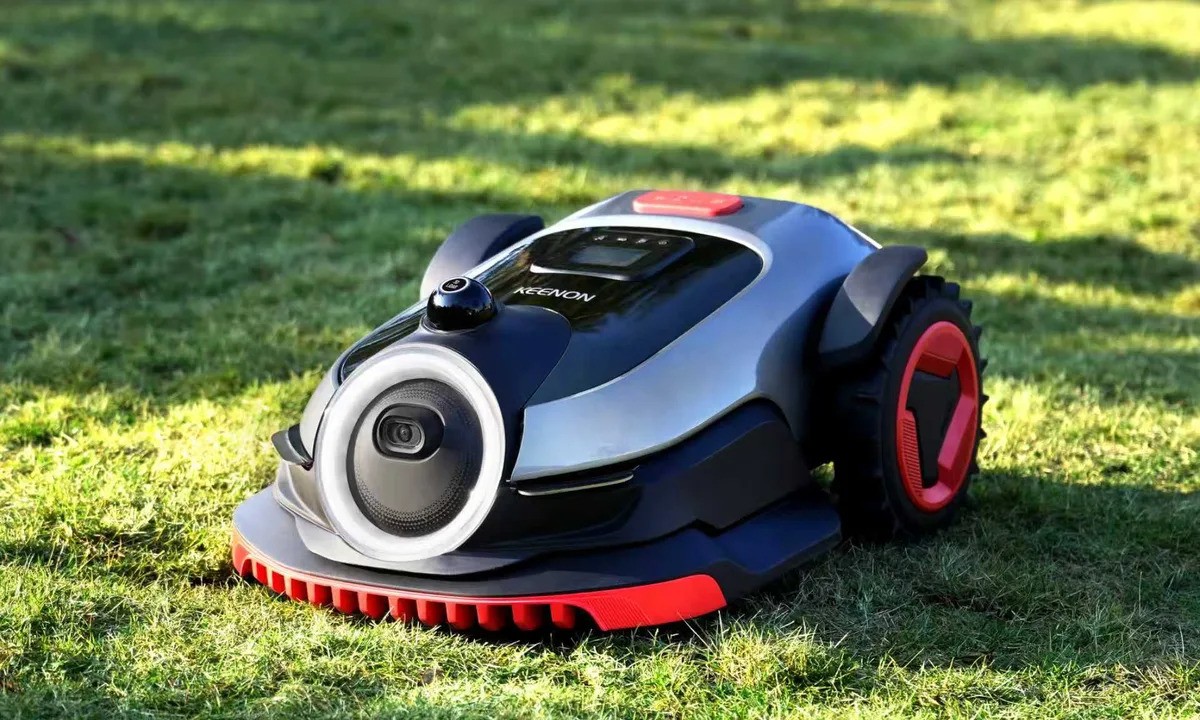
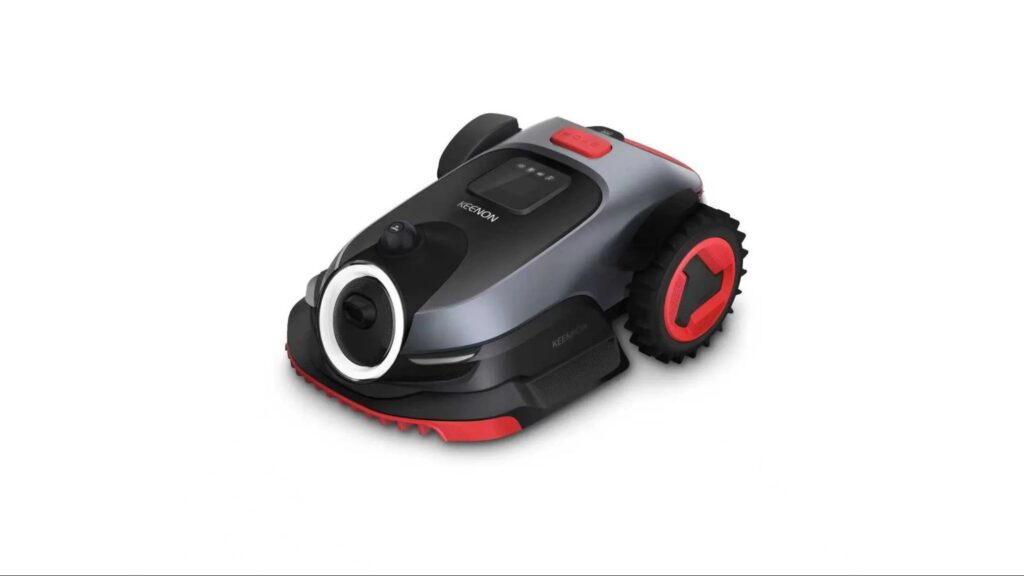
This evolution from novelty gadgets to practical automation is clearly reflected in products like KEENON’s KeenMow, which was introduced during CES 2026. The launch highlighted how advanced autonomy is no longer limited to indoor spaces and is beginning to reshape outdoor home maintenance as well. KEENON’s approach shows how robotics is becoming less about complexity and more about fitting seamlessly into daily routines.
The rise of unobtrusive home robots
The goal of modern home robotics is no longer to impress users with flashy designs or complicated interfaces. Instead, the focus has shifted toward subtlety. The most effective robots are the ones that quietly do their job without demanding constant attention. Robotic vacuums, window cleaners, and similar devices helped set this expectation by reducing the mental and physical load of routine household tasks.
These tools have gradually changed how homeowners think about maintenance. Rather than scheduling time for chores, users now expect technology to handle them in the background. This idea of invisible assistance has become a guiding principle for the next generation of home robots, especially as automation expands beyond indoor environments.
Why lawn care presents a bigger challenge
Indoor cleaning robots have benefited from relatively controlled environments, which made early adoption easier. Outdoor spaces, on the other hand, are far more unpredictable. Weather conditions, uneven terrain, trees, narrow walkways, and irregular lawn shapes all add layers of complexity that traditional robotic systems struggle to manage.
For years, robotic lawn mowers relied heavily on boundary wires or GPS-based navigation. While functional, these systems often required extensive setup and frequent adjustments. Signal interference from trees or nearby structures could also reduce accuracy. As a result, outdoor automation lagged behind indoor solutions.
Recent advancements are beginning to change that narrative. Products like KEENON’s KeenMow demonstrate how newer sensing technologies and AI-driven perception systems can overcome many of these limitations, making autonomous lawn care more practical for everyday homeowners.
KeenMow and infrastructure-free navigation
The KeenMow robotic lawn mower is designed for residential gardens measuring up to 1,500 square meters. One of its defining features is its ability to operate without boundary wires, RTK base stations, or complex calibration procedures. Instead, the mower uses a combination of three-dimensional LiDAR and AI-assisted perception to understand its surroundings.
By blending AI vision with laser radar, the system builds a highly detailed, centimeter-level map of the environment as it moves. This allows KeenMow to determine where it is, where it has been, and where it needs to go, all without relying on external infrastructure. In real-world use, this translates into a more flexible and reliable mowing experience, particularly in spaces that do not conform to neat, open layouts.
Designed for real gardens, not ideal ones
Many residential yards present challenges that traditional robotic mowers are not equipped to handle. Dense tree coverage, overhanging branches, narrow side passages, uneven ground, and partial roof coverage can all interfere with GPS signals or complicate boundary setups.
KeenMow addresses these realities by constructing a three-dimensional map in real time. Even in areas with weak signals or tight physical constraints, the mower continues to operate accurately. This adaptability reflects a broader shift in robotics design, where machines adjust to the environment rather than forcing homeowners to redesign their spaces around technology.
Intelligent movement in tight spaces
One of the standout features of KeenMow is its NarrowPass capability. The mower can navigate through spaces as narrow as 0.8 meters, allowing it to reach areas that are often skipped during manual mowing or require additional trimming. This is particularly useful for gardens with side paths, compact layouts, or irregular boundaries.
In addition to maneuverability, KeenMow also emphasizes smarter obstacle handling. Its Bump-free function goes beyond basic collision detection. Using AI vision, the system can recognize different types of obstacles such as flower beds, fences, pets, or decorative garden elements. This enables the mower to respond appropriately rather than treating every obstruction the same way.
A broader shift in home robotics
KEENON’s expansion into outdoor automation reflects a larger trend within the robotics industry. The long-term vision is clear: minimal setup, minimal supervision, and maximum autonomy. As these systems improve, home maintenance increasingly becomes about setting preferences instead of performing tasks.
Rather than demanding constant monitoring or frequent adjustments, successful home robots blend into daily life. They handle complexity quietly and consistently, reducing both physical effort and mental load for homeowners. KeenMow represents this philosophy by focusing on adaptability and ease of use rather than rigid configurations.
As outdoor automation continues to mature, products like KeenMow highlight how robotics is gradually reshaping home care. Lawn maintenance, once a regular chore, is becoming another task that technology manages in the background. More details about the product and its capabilities are available directly through the website, offering a closer look at how KEENON is pushing automation beyond the walls of the home.