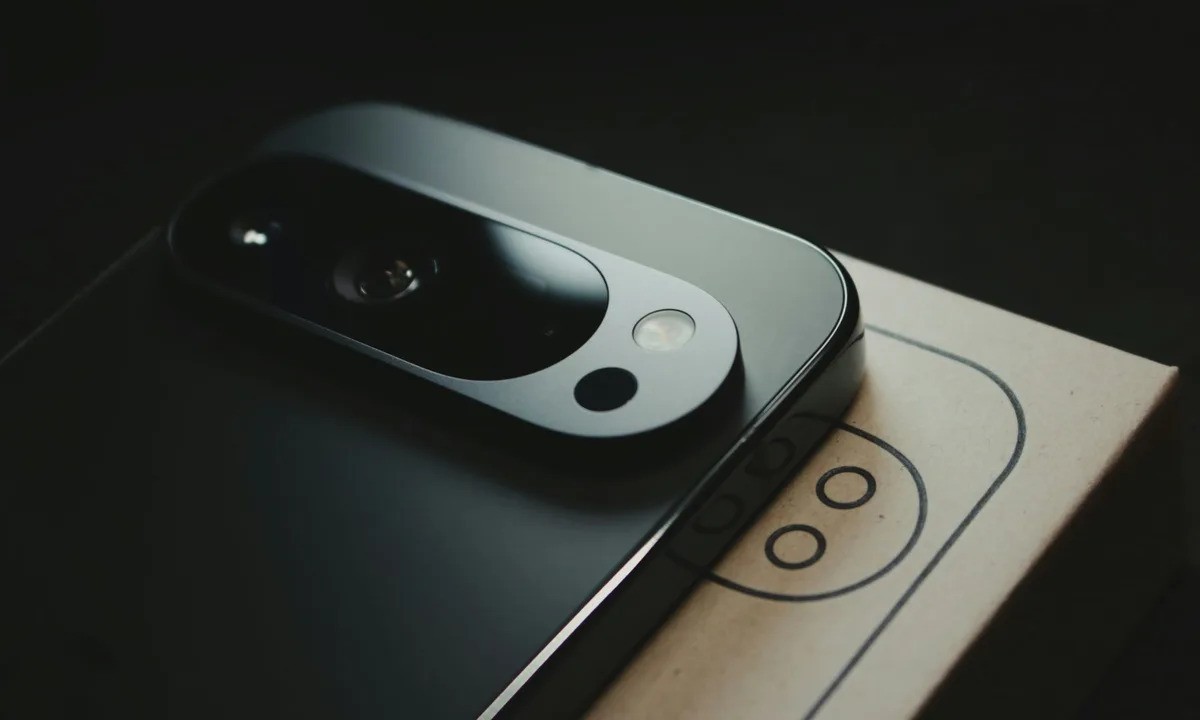
Google is exploring a new way to make smartphone battery repairs less stressful, especially for foldable devices. A recently surfaced Pixel patent describes a battery system that avoids permanent adhesive, aiming to stay stable even as a phone bends, folds, and flexes over time. The filing was first highlighted in a report by Hypertxt, shedding light on how future Pixel devices might become easier to service.
Battery replacement remains one of the most common phone repairs, and it is also one of the most delicate. In many modern smartphones, batteries are glued firmly into the frame. Removing them often requires heat, solvents, and careful prying, which increases the risk of damage. Google’s patent focuses on reducing those risks by rethinking how the battery is physically secured inside the device.
It is important to note that this is a patent application, not a confirmed product. The document does not mention a specific Pixel model, release timeline, or market availability. As with many patents, there is no guarantee the concept will ever appear in a commercial device.
Why adhesive struggles in foldable phones
Foldable smartphones face a very different set of challenges compared to traditional slab-style phones. Hinges create constant micro-movements, frames flex repeatedly, and internal components experience ongoing mechanical stress. Over time, this movement can weaken adhesive bonds, especially when holding something as large and critical as a battery.
In rigid phones, adhesive works well because the internal structure stays mostly static. In foldables, that same adhesive can degrade, leading to uneven pressure, grounding concerns, and potential electrical instability. When it comes time to replace the battery, weakened adhesive can also make removal more dangerous, increasing the chances of bending or puncturing the cell.
Google’s patent highlights these issues directly, framing adhesive as a long-term reliability concern rather than just a repair inconvenience.
A different approach to battery retention
Instead of relying on glue, Google proposes a physical retention system. The patent illustrations show a structured frame that cradles the battery using mechanical supports and fastening points. This design is intended to keep the battery from shifting or twisting as the phone moves through repeated folds.
Electrical contact is maintained through pressure-based connections rather than adhesive bonding. By letting structure do the work instead of glue, the battery can remain secure while still being removable when service is required.
If this design makes it into a real device, it could simplify battery replacements for repair technicians and reduce the risk for everyday users. However, there is a clear tradeoff. Mechanical retention systems take up physical space, and the patent does not explain how this might affect overall thickness or battery capacity.
What signals to watch next
Patents offer insight into a company’s thinking, but real confirmation comes later. The most meaningful signs will appear in teardown reports and official repair guides. Fewer glued components, more visible fasteners, and clearer access paths would indicate that Google is moving in a more repair-friendly direction.
As one of the most influential players in the smartphone market, Google has the ability to shape broader industry trends. If this approach proves practical, it could align well with the growing momentum behind right-to-repair initiatives and encourage other manufacturers to rethink how tightly components are sealed inside their devices.
For now, the idea remains a concept on paper, but it offers a clear glimpse into how future Pixel phones could balance durability, flexibility, and easier long-term maintenance.