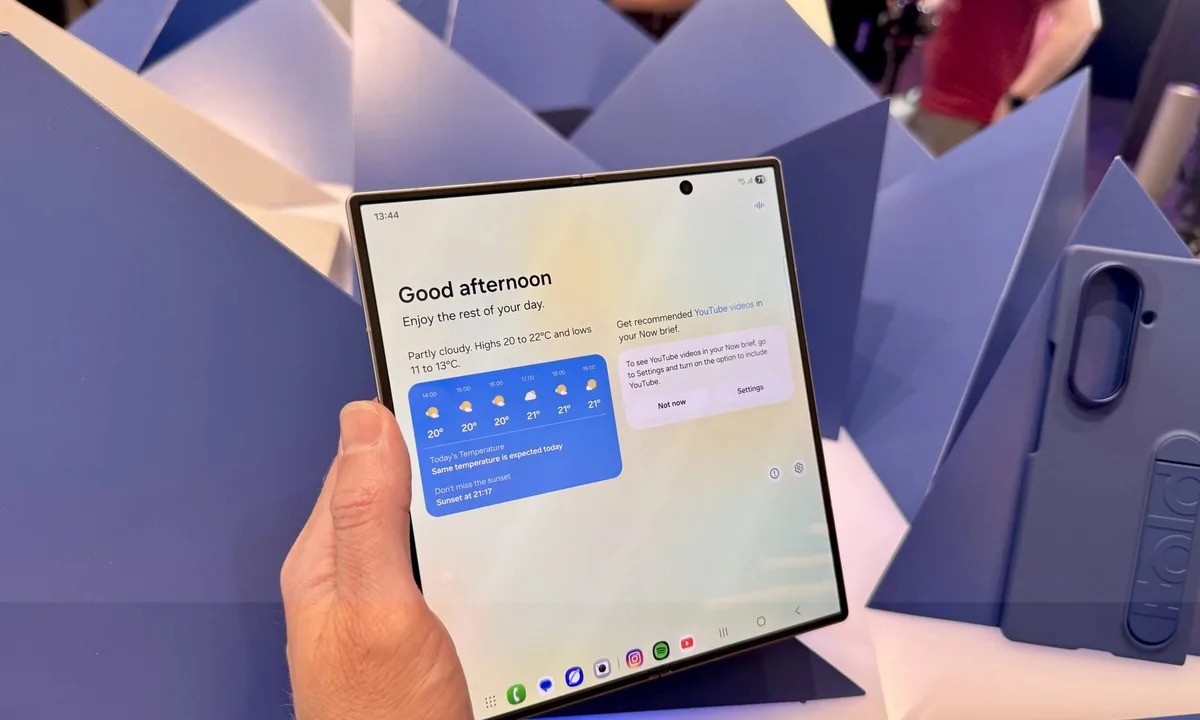
Samsung appears to be gearing up for a meaningful shift in foldable display design, and the Galaxy Z Fold 8 could be the first device to showcase it. Fresh industry chatter suggests the company is working on a new display structure that could dramatically reduce the visible crease, one of the longest-standing complaints around foldable phones.
The discussion gained momentum after Samsung Display presented a nearly wrinkle-free foldable OLED panel during CES 2026, sparking speculation that the technology is ready for commercial use. Observers believe this upgraded panel is being prepared specifically for Samsung’s next premium foldable, expected to launch later this year.
Compared with the current Galaxy Z Fold 7, early reports indicate the upcoming display could feature a crease that is roughly 20 percent shallower. While that figure may sound incremental on paper, even a small reduction can translate into a noticeably smoother surface when the device is unfolded. For users who treat the Fold like a tablet, this change could significantly improve everyday usability.
A closer look at how Samsung could reduce the crease
At the heart of this potential improvement is a rethink of how the display layers are stacked. Traditional foldable screens rely on a single layer of ultra thin glass on the top cover window. According to details shared by industry insiders and cited by Dealsite, Samsung may be experimenting with a dual ultra thin glass structure instead.
This approach reportedly adds an additional glass layer beneath the OLED panel, reinforcing the display from both sides. By distributing pressure more evenly during folding and unfolding, the panel is less likely to develop deep or permanent creases over time. The idea is not to eliminate flexibility, but to control how stress travels through the display when the hinge is in motion.
There is also growing attention around the internal backplate, which sits between the OLED panel and the hinge mechanism. Sources familiar with Samsung Display’s research suggest the company is using laser drilling techniques to create microscopic perforations in this layer. These tiny openings are designed to help the panel flex more naturally at the fold point, easing strain in the exact area where creases usually appear.
If implemented successfully, this combination of a dual ultra thin glass structure and a redesigned backplate could result in a screen that looks flatter, feels smoother, and ages more gracefully after thousands of folds.
Why Samsung might favor this approach
One reason Samsung is likely taking this route is practicality. Ultra thin glass is already a familiar material within Samsung’s supply chain, making it more accessible and cost effective than experimental alternatives. Rather than reinventing foldable displays from scratch, this strategy focuses on refining existing technology to push performance further.
While Samsung has not officially confirmed the final specifications of the Galaxy Z Fold 8, the appeal of this setup is clear. A less visible crease not only improves aesthetics but also reinforces the idea that foldables can function as true productivity devices rather than novelty gadgets.
Beyond the display itself, Samsung is expected to make refinements in other areas users have been asking for. Reports hint at broader usability improvements for the Galaxy Z Fold 8, along with potential camera upgrades across Samsung’s foldable lineup, including the Galaxy Z Flip 8. Together, these changes could make Samsung’s next generation of foldables feel more mature and polished.
If this new display technology makes its way into the final product, the Galaxy Z Fold 8 could come closer than ever to delivering a seamless tablet-like experience when opened, with a crease that fades into the background instead of demanding attention.
For more context on Samsung’s foldable roadmap, you can explore related updates from Samsung’s official newsroom and coverage from CES 2026 at Digital Trends and other major technology outlets.