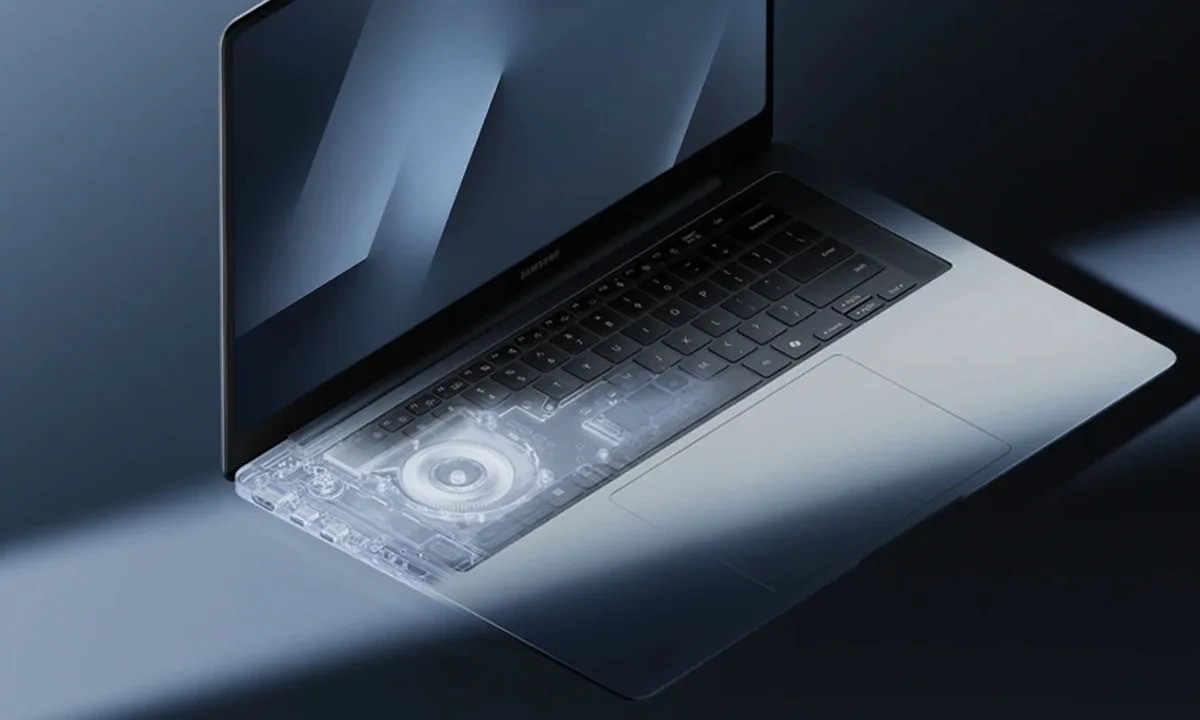
Samsung has quietly published Korean pricing for its upcoming Galaxy Book6 Pro lineup, and the numbers are immediately drawing attention. Compared to previous Pro launches, the new pricing lands noticeably higher, signaling a shift in how Samsung is positioning this generation.
According to the official Korean listings, the 14-inch Galaxy Book6 Pro starts at 3,410,000 KRW, while the 16-inch version is priced at 3,510,000 KRW. When converted, that places both models roughly 20 percent above the launch pricing of the prior Pro generation. For buyers who track Samsung’s laptop cycles closely, this represents a meaningful reset in expectations.
This is not a placeholder announcement either. Samsung’s Korean product page confirms that sales are scheduled to begin on January 27, making these figures a real indicator of where the Book6 Pro sits in the market. Shoppers will be able to review actual configurations rather than theoretical spec sheets.
A key factor behind the higher entry price is the hardware Samsung is pairing with these first configurations. Both the 14-inch and 16-inch models are listed with 32GB of LPDDR5X memory and a 1TB NVMe SSD as standard. Powering the system is Intel’s latest Core Ultra X7 processor from the Series 3 lineup, supported by Intel Arc graphics. Intel has positioned this chip family as a major step forward for performance and efficiency, particularly for AI-focused workloads.
What stands out is that Samsung is not showing a lower-tier option at launch. There is no 16GB memory configuration or smaller storage variant to bring the starting price down. The Galaxy Book6 Pro pricing buyers see today is already tied to premium specifications, which helps explain the immediate jump compared to earlier models.
This pricing shift changes the buying equation. At over 3.4 million KRW, some customers who previously stretched their budget to reach a Pro model may start comparing alternatives. That could include discounted Galaxy Book5 Pro units, non-Pro Galaxy Book models, or competing Windows ultrabooks from other manufacturers. Samsung appears comfortable placing the Book6 Pro squarely in a higher bracket rather than trying to compete on entry-level appeal.
The new lineup is also associated with Intel’s Panther Lake platform, which has been widely discussed as a foundation for the next wave of performance-oriented thin laptops. Samsung leaning into this architecture suggests a long-term strategy focused on power users rather than casual buyers.
What remains unclear is whether Samsung plans to introduce more affordable trims later. The current materials do not confirm if configurations with less memory or storage will follow after launch. For many shoppers, that unanswered question will be just as important as the headline price itself.
For buyers in Korea, these numbers should be treated as firm reference points rather than temporary listings. Anyone considering the Book6 Pro should evaluate whether 32GB of memory and 1TB of storage align with their actual usage needs, since that is the configuration Samsung is emphasizing from day one.
Outside Korea, it is too early to assume the same pricing structure will apply. Samsung has not yet announced US or other regional pricing, and past launches have shown noticeable variation between markets. Those watching from abroad may want to wait for local listings and compare them against remaining stock of the Galaxy Book5 Pro or even the Galaxy Book4 Pro once Korean orders open later this month.