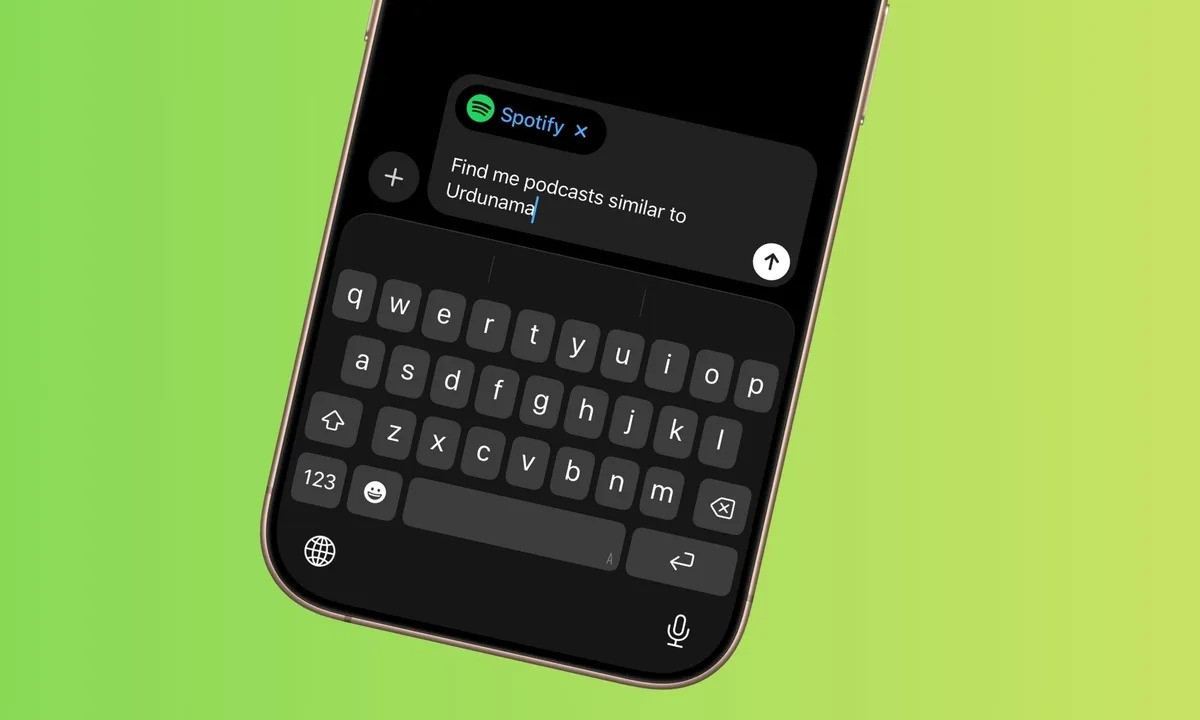
Spotify quietly introduced its ChatGPT integration just a few months ago, but the impact has already been significant. The conversational AI is reshaping how listeners find new podcasts, moving discovery away from traditional searches and recommendation feeds and toward something far more personal.
Recently, I opened ChatGPT and asked it to suggest podcasts similar to Urdunama. Within moments, it created a tailored list that felt uncannily accurate. I never opened the Spotify app, never scrolled through endless recommendations, and never adjusted filters. Despite that, every suggestion matched my interests almost perfectly.
That experience highlights a broader shift in listening habits. According to Spotify, nearly 80 percent of podcast recommendations are now being delivered through conversational AI interactions. For many users, this approach is starting to replace familiar discovery methods altogether.
A conversational approach to discovery
Spotify has invested heavily in podcasts and audiobooks over the past few years, while also expanding into video content. These efforts have paid off. Podcast listening time continues to rise, plays have become a key performance metric for creators, and new monetization opportunities are emerging across the platform.
As Spotify pushes forward, AI driven discovery has become an increasingly important part of that strategy. Instead of relying solely on algorithmic suggestions or manual searches, listeners are turning to ChatGPT to surface shows that match their current mood, interests, or curiosity.
Spotify shared with Digital Trends that more than 80 percent of recommended podcast episodes now come from shows that are completely new to the listener. This signals a notable change, especially in a space where debates about which platform has the best recommendation engine have gone on for years.
Why algorithms are no longer enough
Streaming algorithms have long shaped listener loyalty. Spotify has spent years refining its recommendation systems and offering users more control over how they discover music and podcasts. Still, algorithms tend to rely heavily on listening history and engagement data, which does not always reflect what a listener wants at a specific moment.
That is where conversational AI makes a difference. ChatGPT introduces a layer of context that algorithms alone struggle to capture. Instead of guessing based on past behavior, it responds directly to what users ask for in real time.
The groundwork for this shift was laid in late 2025, when Spotify announced that users could link their Spotify accounts with ChatGPT to receive personalized music and podcast recommendations.
Once connected, users can simply call Spotify within a ChatGPT conversation, describe what they are in the mood for, and receive curated podcast suggestions instantly. Free users can access recommendations, while Premium subscribers can generate full playlists built around those suggestions.
Convenience plays a major role
Convenience is one of the biggest reasons this new discovery model is gaining traction. Spotify reports that 93 percent of podcast listeners expect the platform to help them find their next favorite show. Conversational AI fits neatly into that expectation.
Instead of trial and error searches, forum browsing, or endless scrolling, listeners can describe exactly what they want. ChatGPT handles the rest, making discovery feel more intentional and less repetitive.
This shift also aligns with how podcasts work as a medium. Podcasts are conversational by nature, and discussions about them across the internet are often driven by context, opinions, and community dialogue rather than simple metadata.
Context matters more than ever
Spotify already uses transcription and chapter tagging for podcast episodes, similar to features seen on YouTube. However, discovery goes beyond analyzing audio content alone. Public conversations, social media discussions, and expert recommendations all contribute to how people decide what to listen to next.
AI systems like ChatGPT are particularly effective at processing this broader context. By pulling from multiple conversational signals, they can surface recommendations that feel more thoughtful and relevant.
ChatGPT is not the only AI assistant capable of doing this. Google’s Gemini can also integrate with Spotify and offer similar functionality.
AI powered discovery is opening up a new way to explore podcasts on Spotify, placing more control in the hands of listeners and turning discovery into a natural conversation rather than a guessing game.