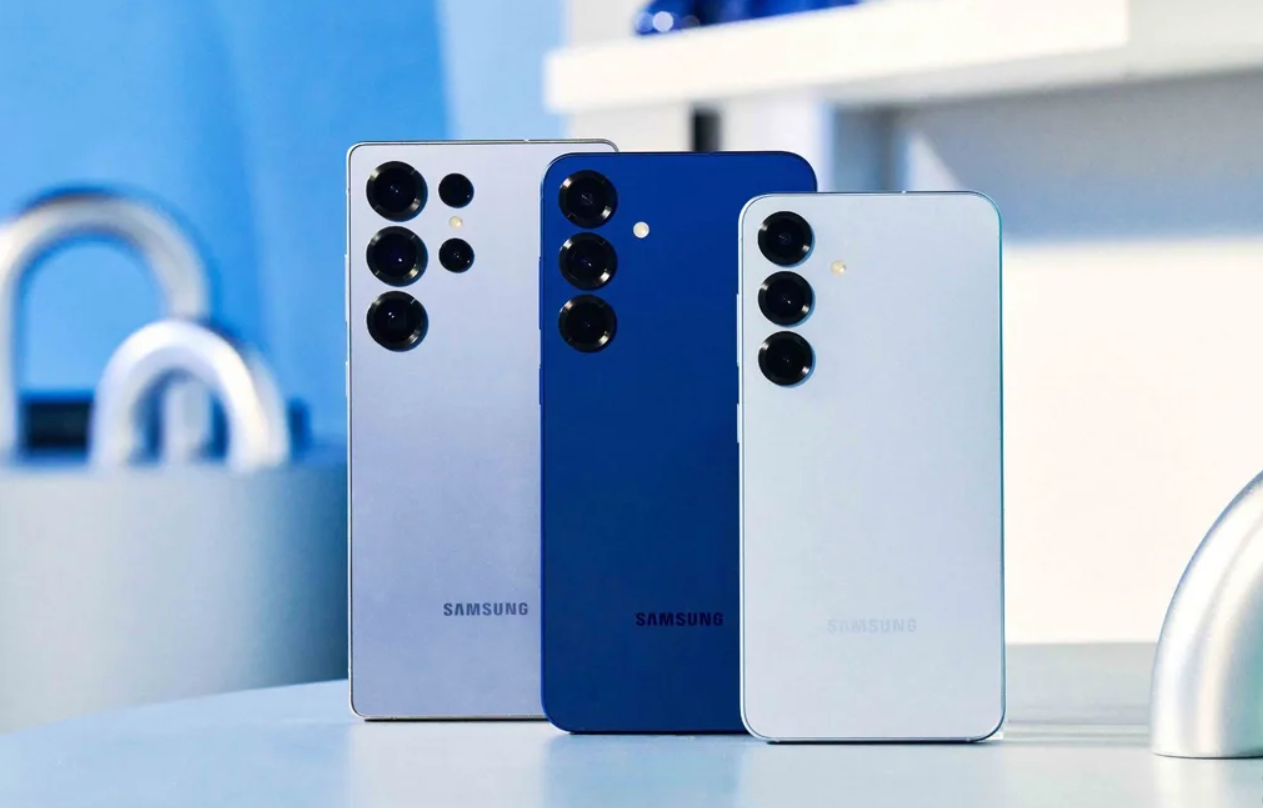
We are now only weeks away from the expected debut of Samsung’s next flagship lineup, and the Galaxy S26 series is already generating discussion well ahead of schedule. A new retail leak suggests Samsung may finally reverse a long-criticized limitation on its base models, but the move could come with trade-offs that are not immediately obvious.
According to a report from Sammy Guru, which references a Finnish retailer listing, the standard Galaxy S26 is expected to ship with 256GB of internal storage as its entry-level option. That would mark a notable shift from Samsung’s recent strategy, where the base Galaxy S25 launched with just 128GB, while the Plus and Ultra models started at 256GB.
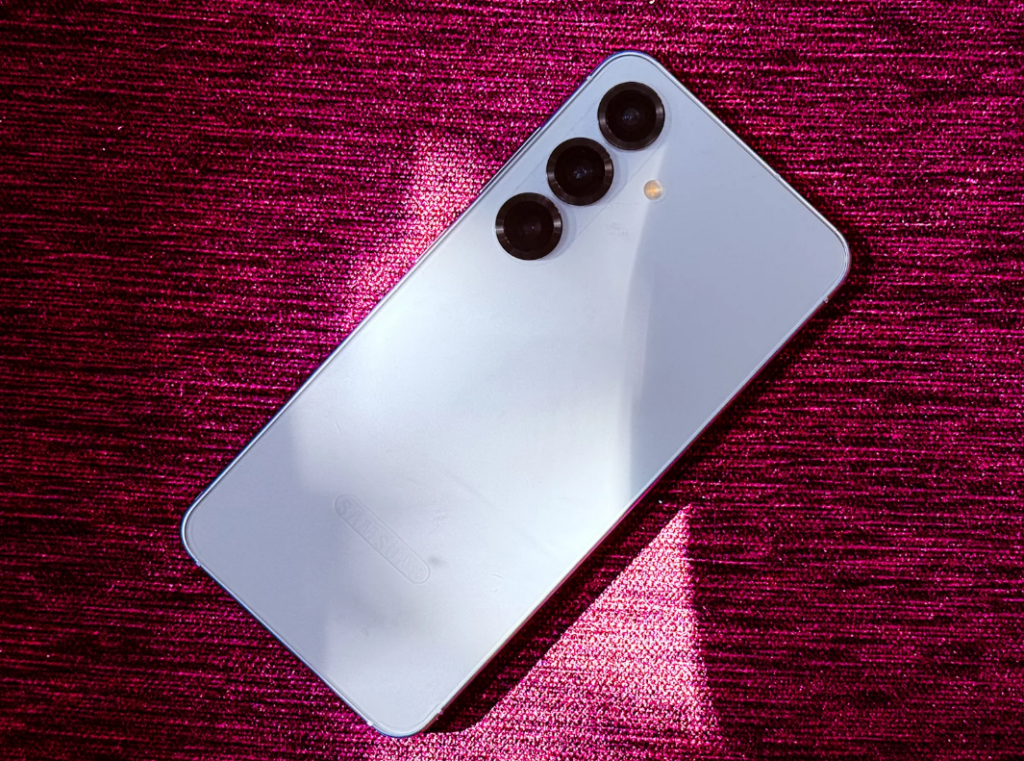
If accurate, the change would effectively eliminate the lowest storage tier from Samsung’s flagship lineup. On paper, this looks like a clear win for buyers who have long argued that 128GB no longer makes sense for premium smartphones, especially as camera capabilities, AI features, and system requirements continue to expand.
Under the leaked configuration, both the Galaxy S26 and Galaxy S26 Plus would reportedly be offered in 256GB and 512GB variants. The Galaxy S26 Ultra would go further, with three options: 256GB, 512GB, and a 1TB model aimed at power users. This structure closely mirrors what Samsung already does with its higher-end devices, but extending it to the base model could significantly change how the lineup is positioned.
The more complicated question is pricing. At present, Samsung sells the Galaxy S25 with 128GB of storage for $799.99, while the 256GB version costs $859.99. Removing the lower tier creates uncertainty around where the Galaxy S26 will land. Samsung could hold the $799.99 starting price and quietly absorb the storage increase, similar to how Apple handled its pricing with the iPhone 17. Alternatively, the company could use the upgrade as justification to push the base price higher.
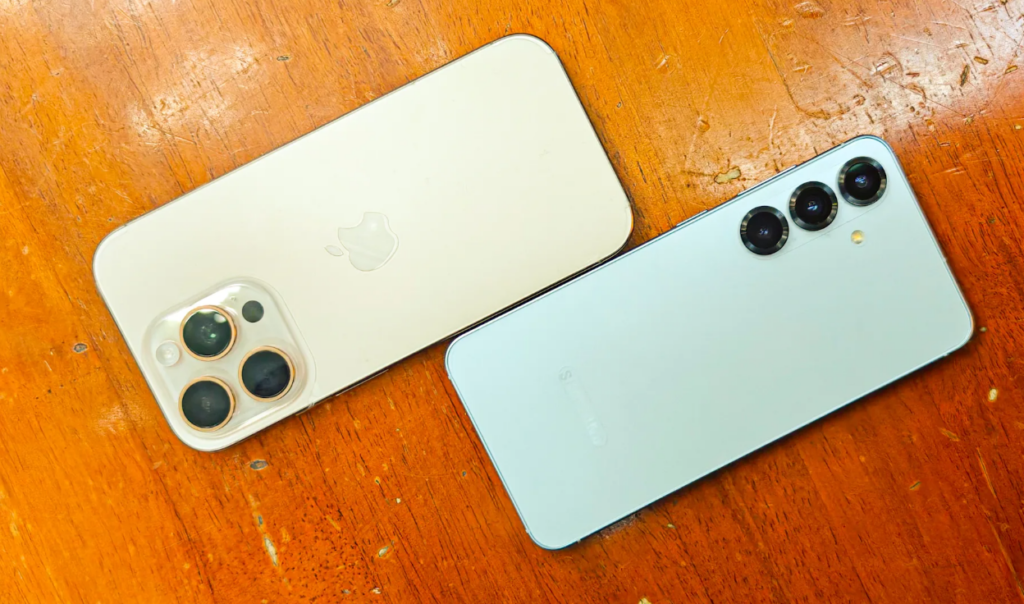
This concern becomes more relevant when viewed through the lens of rising memory costs. Recent industry reports have pointed to increasing pressure on smartphone manufacturers due to NAND and DRAM supply constraints. In that environment, companies are often incentivized to prioritize higher-capacity models that deliver better margins, even if it limits affordable options for consumers.
From that perspective, the Galaxy S26’s storage bump could be less about generosity and more about navigating supply realities. Selling only higher-capacity variants allows manufacturers to streamline production while maintaining profitability, particularly during periods of component volatility.
Beyond storage, the same leak also sheds light on the color options expected for the Galaxy S26 lineup. All three models are said to be available in Black, White, Sky Blue, and Cobalt Violet. Notably absent from the list are finishes like Silver Shadow and Pink Gold, which have appeared on recent Ultra models. While Samsung often reserves certain colors for online exclusives or later releases, the omission could signal a more restrained color strategy this year.
Separately, recent images of Samsung’s upcoming Qi2 wireless power bank have surfaced online, fueling speculation that the accessory could debut alongside the Galaxy S26 series. The move would align with Samsung’s broader push toward next-generation wireless charging standards, particularly as more accessories begin to support Qi2 compatibility.
Taken together, these leaks paint a picture of a Galaxy S26 lineup that is evolving in subtle but meaningful ways. A higher storage baseline addresses a long-standing complaint, yet it also raises valid concerns about affordability and choice. As with many early leaks, the full impact will only become clear once Samsung officially reveals its pricing and final configurations.
For now, the reported changes suggest Samsung is recalibrating its flagship strategy, balancing consumer expectations against the economic realities of modern smartphone manufacturing.