Apple has officially confirmed what industry watchers have been anticipating for months. The company’s next-generation version of Siri will be powered by Google’s Gemini AI models, marking a significant shift in how Apple plans to modernize its voice assistant and compete in the rapidly evolving artificial intelligence landscape.
Earlier reports had already hinted at behind-the-scenes talks between Apple and Google around AI collaboration. Now, Apple has made it official. Google Gemini will serve as the foundation for Siri’s upcoming AI capabilities, representing the most substantial transformation the assistant has seen since its original launch.
The confirmation came via a statement shared with CNBC, where Apple explained that it evaluated multiple technologies before settling on Google’s AI platform. According to the company, Gemini offered the most capable base to support Apple Foundation Models while opening the door to more advanced user experiences across Apple’s ecosystem.
Why Apple turned to Google for Siri’s AI upgrade
This partnership did not appear overnight. Apple had already teased a more intelligent and context-aware Siri during WWDC 2024, promising improvements such as better understanding of personal data, awareness of on-screen content, and deeper integration across apps and services. Those features, however, faced delays, with Apple later acknowledging that development was taking longer than expected.
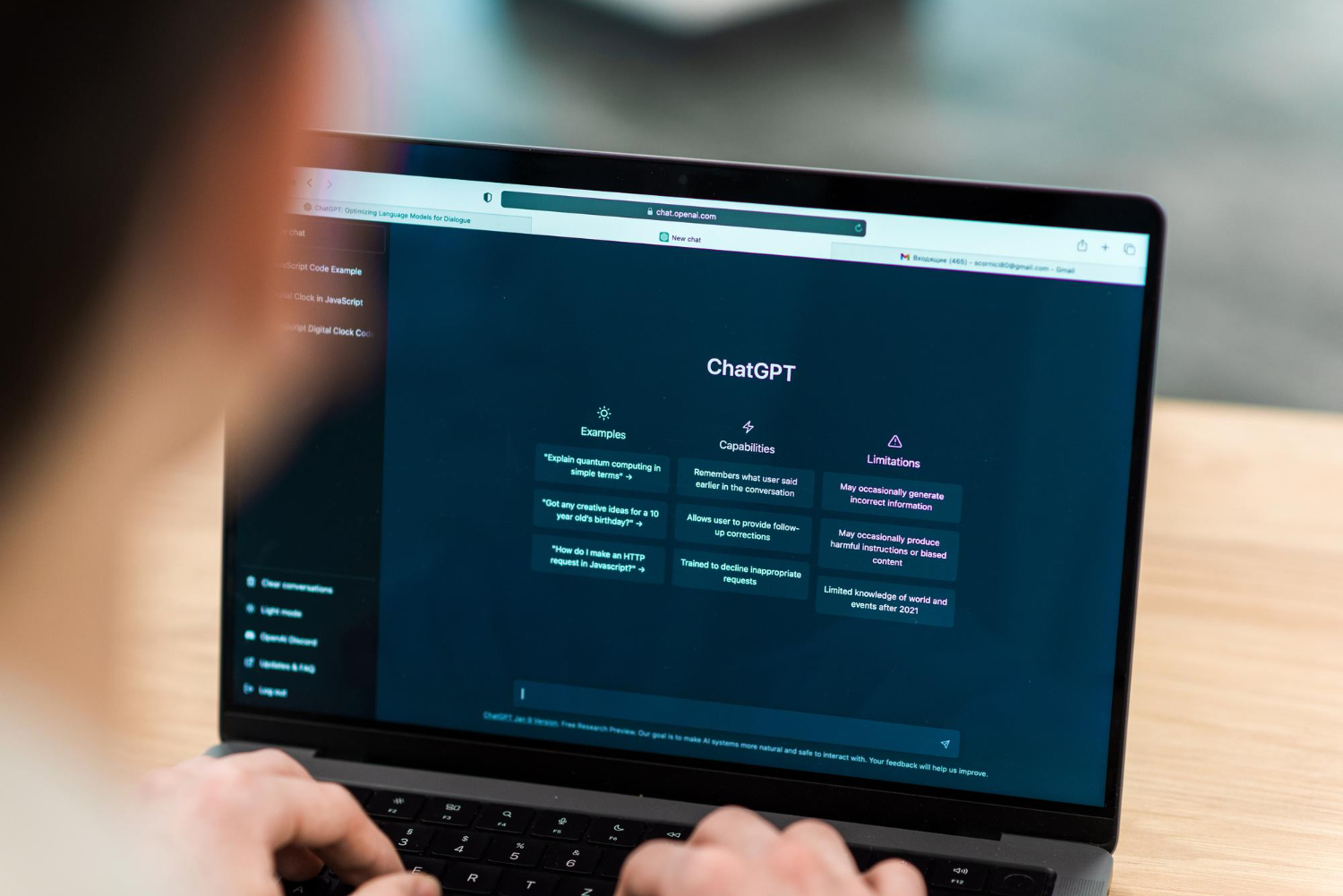
During that pause, competitors surged ahead. AI assistants powered by large language models, including Google Gemini and OpenAI’s ChatGPT, rapidly raised expectations for conversational AI. Tasks that once confused Siri, such as multi-part questions, natural follow-ups, and broader web-based queries, became standard features elsewhere.
By adopting Gemini, Apple gains access to a mature language model backed by Google’s vast and continuously updated knowledge systems. This shift directly addresses long-standing limitations in Siri’s ability to handle complex requests, deliver nuanced answers, and synthesize information from multiple sources.
Reports from CNBC suggest that the collaboration will extend beyond Siri alone. Google’s Gemini models and cloud infrastructure are expected to support future Apple Foundation Models, laying groundwork for additional Apple Intelligence features across iOS, iPadOS, and macOS.
The upgraded Siri is expected to debut later this year with iOS 26.4, potentially arriving in the March or April update window. While Apple has not provided a precise release date, internal timelines point toward a rollout that aligns with broader Apple Intelligence enhancements.
How Gemini fits alongside Apple’s existing AI tools
Apple has clarified that this move does not replace its current integration with ChatGPT. Apple already uses ChatGPT for specific advanced queries, particularly those requiring extended reasoning or creative responses. How Gemini and ChatGPT will coexist long term remains unclear, but Apple appears focused on leveraging the strengths of multiple AI systems rather than relying on a single provider.
In practical terms, Gemini is expected to power Siri’s core conversational intelligence, while other AI tools may continue to handle specialized tasks behind the scenes. This hybrid approach allows Apple to improve Siri without fully surrendering control over its broader AI strategy.
Beyond Siri, Google Gemini is also expected to play a role in upcoming Apple Intelligence features that aim to make devices more proactive and personalized. From smarter notifications to deeper app-level automation, the collaboration could influence how Apple users interact with their devices on a daily basis.
Relying on a longtime rival may seem unconventional, but the move reflects Apple’s urgency to deliver meaningful AI improvements. With Gemini’s capabilities now in place, Siri’s long-awaited reboot finally appears within reach, even if it means borrowing expertise from one of Apple’s biggest competitors.