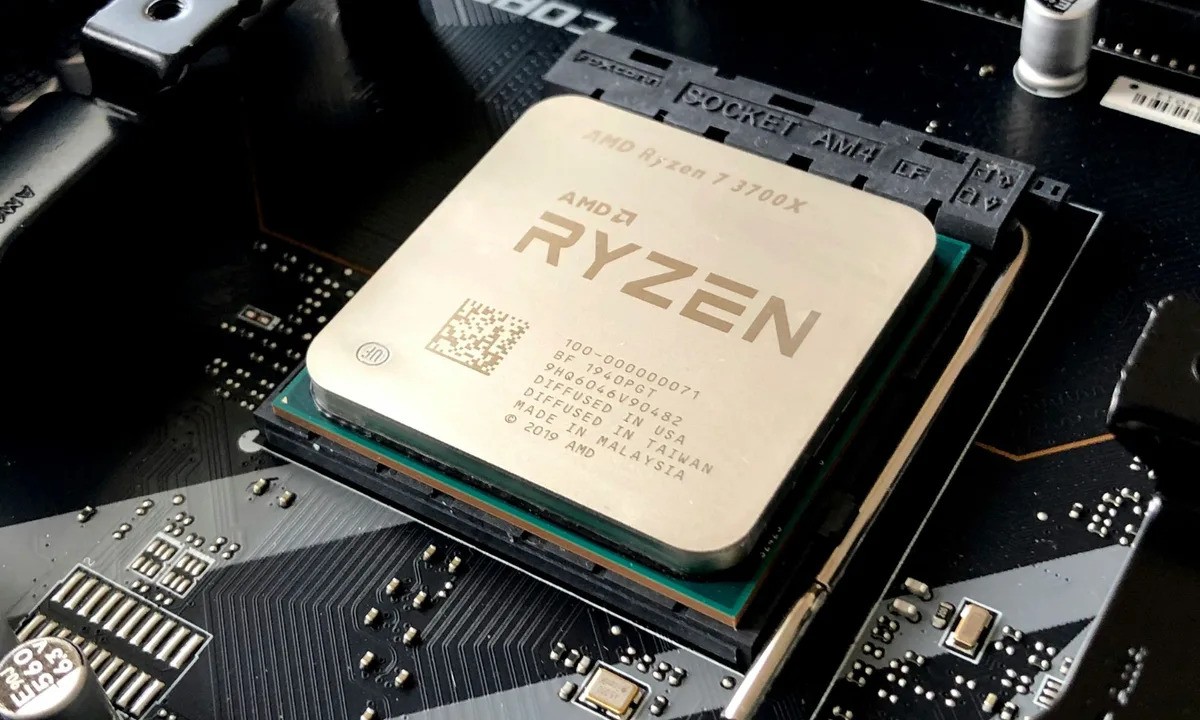
Graphics card prices rarely jump overnight anymore. Instead, they tend to creep upward in subtle ways. Entry-level models disappear, premium variants dominate listings, and suddenly the idea of fair pricing feels like a thing of the past. A new report suggests that AMD and Nvidia GPUs may be heading down that familiar path once again.
Rising memory costs have already pushed several PC and laptop makers to tweak retail pricing earlier this year, as seen across multiple markets. Now, according to a report published by China Times, major Taiwanese graphics card partners are preparing to adjust prices for upcoming AMD and Nvidia RTX 50 series GPUs.
The report claims that MSI has already rolled out a second round of price revisions tied to Nvidia’s RTX 50 lineup. Asus and Gigabyte are expected to follow with similar updates before the end of the month. Industry sources quoted in the report describe this shift as the early phase of a broader price increase cycle for both AMD and Nvidia graphics cards.
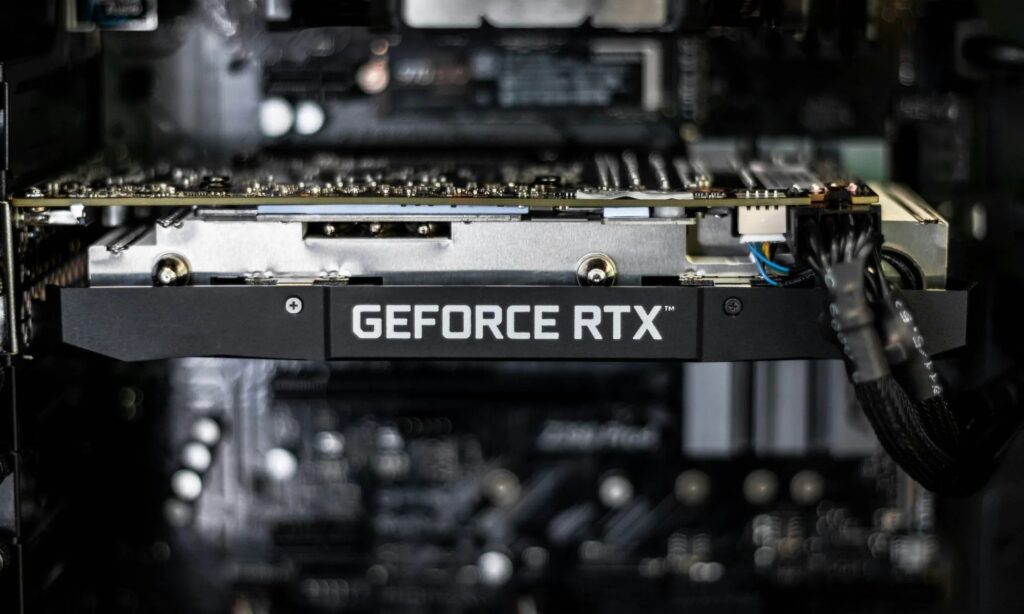
Why GPU prices may rise without any official announcement
The primary pressure point appears to be memory. Costs for DDR6 and DDR7 VRAM modules, which are now standard across modern graphics cards, have increased sharply. As a result, AMD and Nvidia have reportedly raised wholesale or supply prices by roughly 10 to 15 percent depending on the model.
What happens next largely depends on board partners. Manufacturers must decide whether to absorb those higher costs internally or pass them on to buyers through higher retail prices. Historically, companies like Asus, Gigabyte, and MSI rarely announce new MSRPs publicly. Instead, changes surface quietly across store listings.
Shoppers usually notice the shift through subtle signals. Budget versions vanish from shelves, premium SKUs become more common, and older stock priced at previous levels is slowly delisted. Comparing current listings with prices from just a few weeks earlier often reveals the pattern.
Regional price increases are already taking shape
According to the same report, GPUs based on AMD’s RX 9000 series have already seen price increases ranging from 10 to 18 percent in parts of Europe and China. Nvidia’s RTX 50 series cards equipped with higher VRAM capacities, particularly 16GB models, are reportedly seeing even steeper adjustments between 15 and 20 percent.
More details on the RX 9000 lineup can be found through this overview of AMD’s RDNA 4 graphics cards. On the Nvidia side, price pressure appears strongest on higher-end models that rely on costlier memory configurations.
Nvidia’s strategy favors lower VRAM models
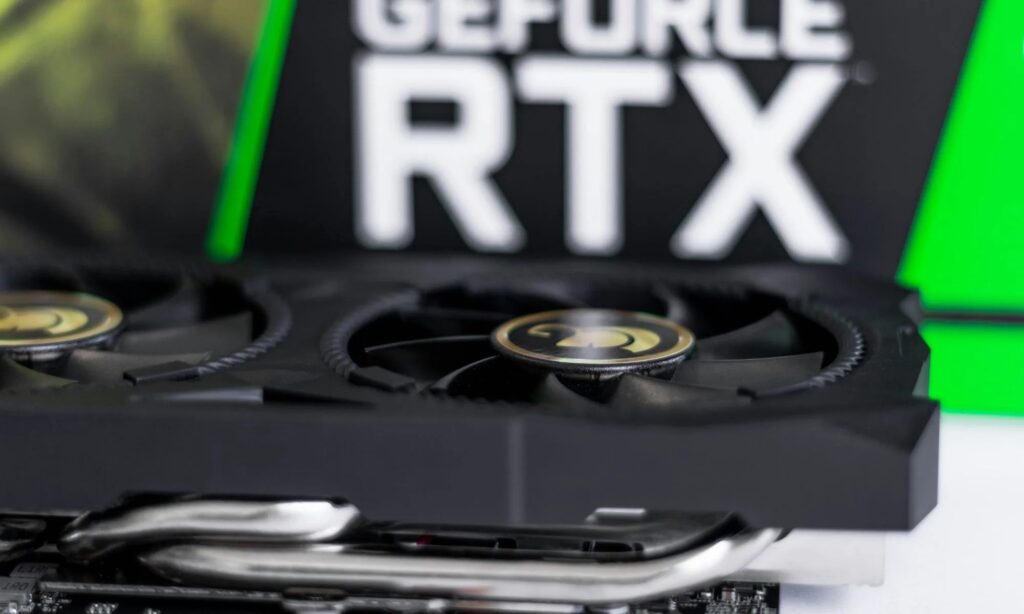
Nvidia is said to be responding strategically by prioritizing RTX 50 series cards with lower memory capacities. Models such as the RTX 5060 and 5060 Ti, both built around 8GB VRAM configurations, are cheaper to manufacture and easier to sell at stable prices. Because of that, they are less likely to see aggressive price jumps in the near term.
Higher-tier GPUs like the RTX 5080 and RTX 5090 are not being discontinued, but their availability may become more limited. When they do appear in retail channels, they may carry noticeably higher price tags compared to earlier listings. Reviews and performance breakdowns of these models already highlight their premium positioning in the lineup.
For now, board partners have acknowledged the growing cost pressures but have not finalized a clear roadmap for handling retail pricing across popular models. As has often been the case, any real changes are likely to surface gradually through online stores rather than official announcements.