Singles Day, observed annually on November 11th, has transformed from a lighthearted Chinese university tradition into a global celebration of independence, personal growth, and self-appreciation. While the date has become synonymous with massive retail events, its original meaning centers on something far more valuable: the recognition that happiness and fulfillment can flourish from within, regardless of relationship status. Mental health professionals from BetterHelp and other therapeutic communities emphasize that cultivating self-love remains one of the most powerful investments anyone can make in their overall well-being.
The Origins and Meaning of Singles Day
The celebration began in 1993 when students at Nanjing University in China created a lighthearted counter-celebration to Valentine’s Day. They chose November 11th, or 11/11, because the four number ones symbolize individuals standing tall in their independence. What started as informal dormitory gatherings has since expanded worldwide, evolving into a cultural phenomenon that promotes self-care, personal growth, and the idea that being single is something to celebrate rather than stigmatize.
The holiday’s core message resonates strongly with mental health principles. Singles Day encourages people to embrace their autonomy, appreciate their own company, and recognize that personal fulfillment doesn’t require external validation from romantic partners. This philosophy aligns closely with what therapists working with BetterHelp have long advocated: that healthy self-love forms the foundation for all other relationships and achievements in life.
Understanding Self-Love Through a Therapeutic Lens
Self-love encompasses more than occasional spa days or retail therapy. According to BetterHelp’s clinical resources, true self-love involves treating yourself with kindness, compassion, and acceptance. The platform’s experts define it as the practice of caring for yourself the way you would care for someone you deeply love, acknowledging both strengths and imperfections without harsh judgment.
Research has consistently demonstrated connections between self-love, self-esteem, and overall life satisfaction. BetterHelp’s counselors note that individuals with healthy self-regard tend to establish better boundaries, make decisions aligned with their values, and maintain more fulfilling relationships with others. The therapeutic community emphasizes that self-love isn’t selfish or narcissistic; rather, it represents a necessary foundation for psychological health and the capacity to genuinely connect with others.
Why Self-Compassion Matters for Mental Health
Mental health professionals increasingly recognize self-compassion as a powerful resource for enhancing well-being. Kristin Neff, a leading researcher in this field referenced across therapeutic educational materials, identifies three core components of self-compassion: self-kindness, common humanity, and mindfulness. These elements work together to help individuals navigate difficulties without becoming derailed by negative self-talk or unrealistic expectations. Research published in the World Psychiatry journal confirms that self-compassion serves as a highly effective tool for alleviating suffering in psychotherapy settings.
Self-compassion involves offering understanding to yourself during moments of insufficiency, disappointment, or distress. This approach differs from self-esteem, which often depends on external achievements or comparisons to others. Self-compassion remains constant regardless of circumstances, providing a stable internal resource during challenging times.
Studies published in peer-reviewed journals indicate that people who practice self-compassion experience lower levels of anxiety and depression while demonstrating greater resilience in the face of adversity. Therapeutic approaches that incorporate self-compassion training have shown effectiveness in treating various mental health concerns, making it a valuable tool for both prevention and treatment.
Practical Ways to Celebrate Self-Love on Singles Day
Mental health experts recommend using Singles Day as an opportunity to establish or reinforce self-care practices that extend throughout the year. BetterHelp’s resources on celebrating self-love suggest several evidence-based approaches that individuals can incorporate into their routines.
Journaling represents one particularly powerful practice. Writing about experiences, feelings, and accomplishments helps process emotions and build self-awareness. The Oxford Handbook of Health Psychology has associated expressive writing forms with significant health improvements and enhanced well-being. Therapists often recommend keeping a self-esteem journal where individuals document daily successes, no matter how small, to build confidence over time.
Affirmations offer another accessible tool for cultivating self-love. Statements such as “I am trying my best, and my best is good enough” or “I deserve to meet my goals and dreams” can gradually shift internal narratives from criticism to acceptance. While affirmations may feel awkward initially, consistent practice helps rewire thought patterns toward greater self-appreciation.
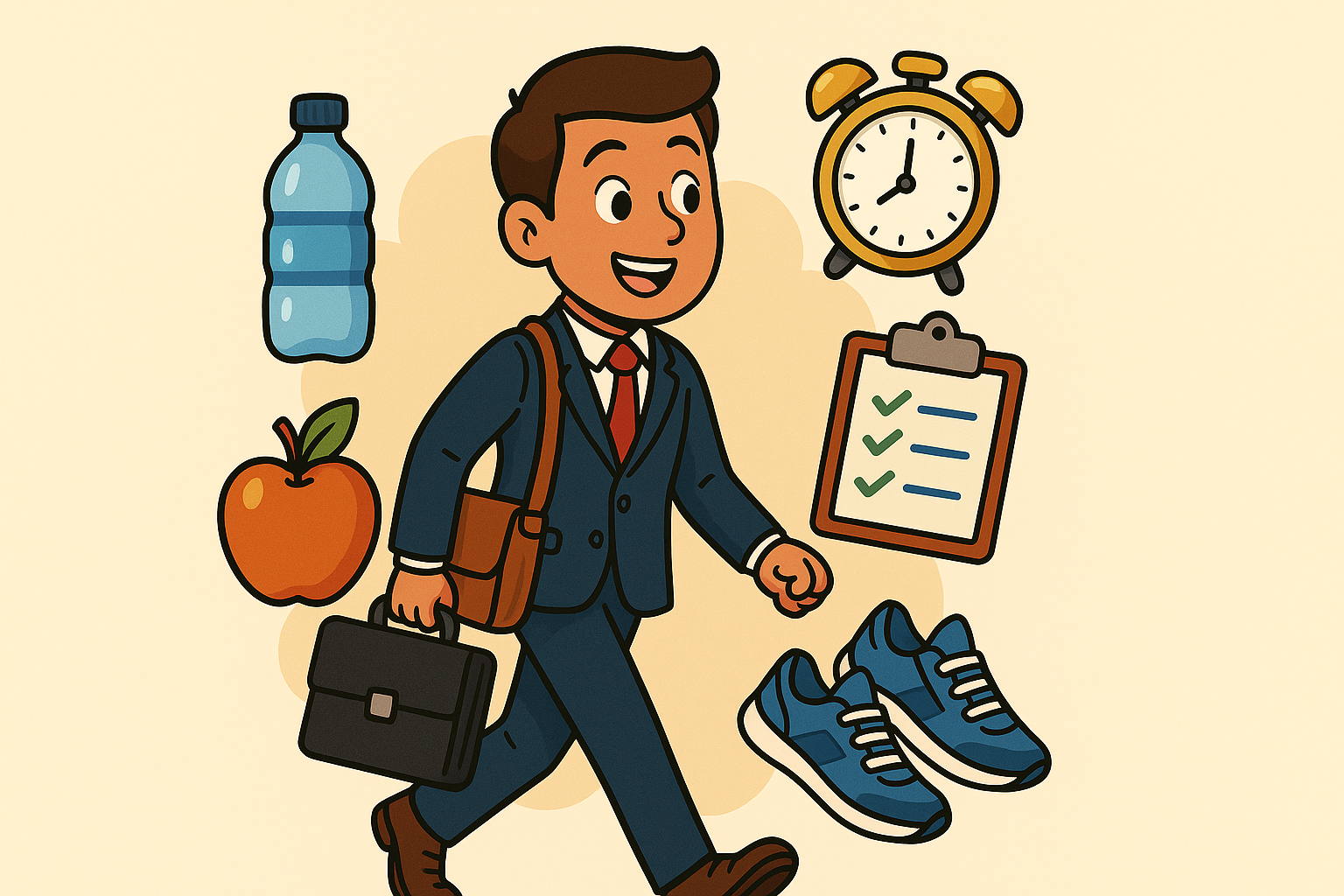
Physical self-care activities also contribute to emotional well-being. Research from Stanford University’s Center for Compassion and Altruism Research demonstrates that human connection and self-care represent vital aspects of mental and physical health. Exercise, adequate sleep, nutritious eating, and relaxation practices all signal to yourself that you matter and deserve attention.
The Connection Between Self-Love and Relationship Health
Licensed counselors consistently observe that individuals who struggle with self-love often encounter difficulties in their relationships with others. When people don’t value themselves, they may seek external validation through codependent behaviors or accept treatment from others that doesn’t reflect their true worth. Therapist Aid resources explain that self-compassionate people believe they are good, well-meaning, and competent, which allows them to view mistakes as isolated incidents rather than personal failings.
Conversely, healthy self-regard enables individuals to establish appropriate boundaries, communicate needs effectively, and choose partners who treat them well. Mental health professionals note that self-confidence and self-acceptance are attractive qualities that contribute to more satisfying romantic partnerships when individuals do choose to pursue them.
The Singles Day celebration reinforces the idea that contentment doesn’t depend on relationship status. Research cited by mental health organizations indicates that single people can be just as happy and fulfilled as those in relationships, particularly when they maintain strong connections with themselves, friends, and family members.
Seeking Professional Support for Self-Love Challenges
While many people can develop greater self-love through personal practices, some individuals benefit from professional guidance. BetterHelp’s network of over 30,000 licensed mental health professionals includes counselors who specialize in self-esteem, self-worth, and related concerns. These practitioners use evidence-based approaches such as cognitive behavioral therapy to help clients identify and change negative thought patterns that undermine self-acceptance.
Online therapy platforms have made mental health support more accessible than ever. BetterHelp offers multiple communication options, including video sessions, phone calls, live chat, and messaging, allowing individuals to engage with therapy in ways that suit their comfort levels and schedules. This flexibility proves particularly valuable for those who may feel hesitant about traditional in-person appointments.
Clinical outcomes data suggest that therapy can effectively cultivate self-compassion. Studies have shown that participants in online therapeutic interventions report increases in happiness and self-compassion alongside decreases in stress, depression, and emotional difficulties. According to the American Psychological Association, self-care involves providing adequate attention to one’s own physical and psychological wellness, making professional support a valuable component of any comprehensive self-love practice.
Creating Lasting Change Beyond Singles Day
While November 11th offers a dedicated occasion to celebrate independence and self-appreciation, mental health experts encourage treating self-love as an ongoing practice rather than a single-day event. HelpGuide’s wellbeing resources recommend practicing self-compassion and aiming to be patient and kind to yourself while maintaining exercise and healthy sleep habits to support both physical and mental wellness.
The relationship someone develops with themselves ultimately influences every other aspect of their life. By investing in self-love, individuals build resilience that helps them weather challenges, pursue meaningful goals, and create fulfilling connections with others. Whether single or partnered, everyone benefits from cultivating this fundamental form of care and appreciation.
Singles Day serves as an annual reminder that every person deserves kindness, compassion, and celebration, especially from themselves. As mental health awareness continues to grow globally, embracing this message represents not just a holiday tradition but a pathway toward lasting psychological well-being. The four ones of November 11th symbolize not loneliness but rather the strength, independence, and completeness that each individual carries within themselves every day of the year.