Apple may be exploring a completely different direction for wearables, one that moves away from wrists and screens and leans heavily into artificial intelligence. New reporting suggests the company is developing a compact, AI-powered pin designed to sit on clothing or bags, potentially redefining how users interact with Apple’s ecosystem throughout the day.
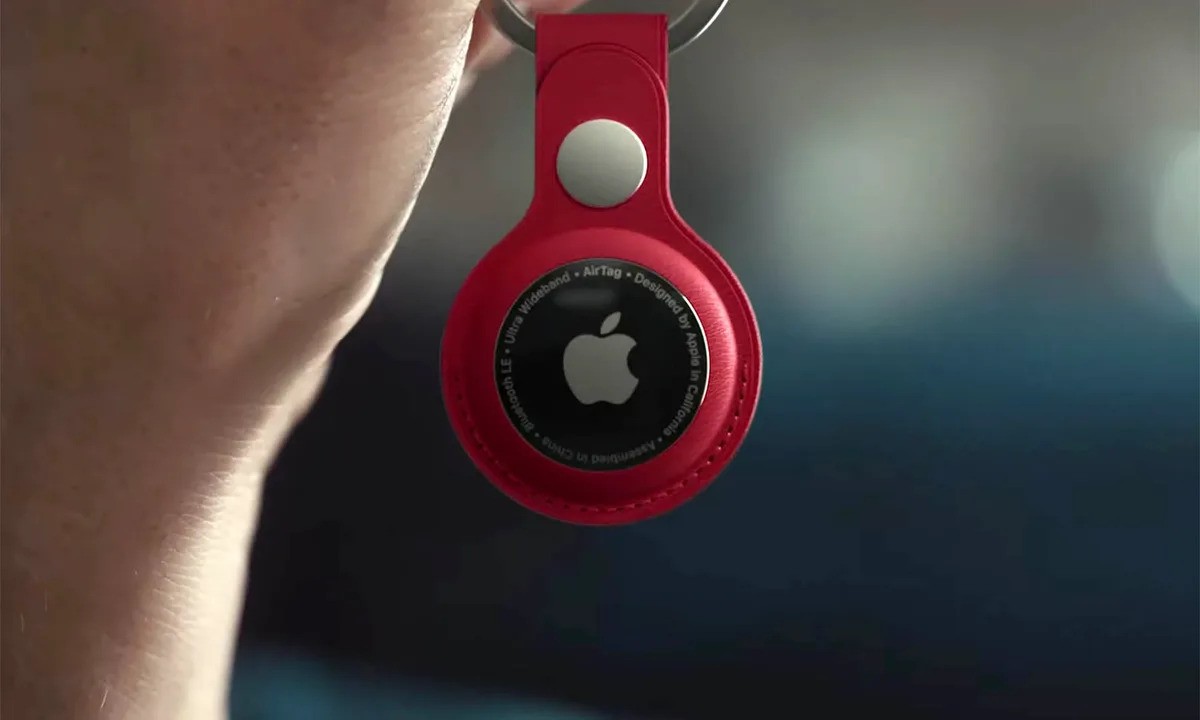
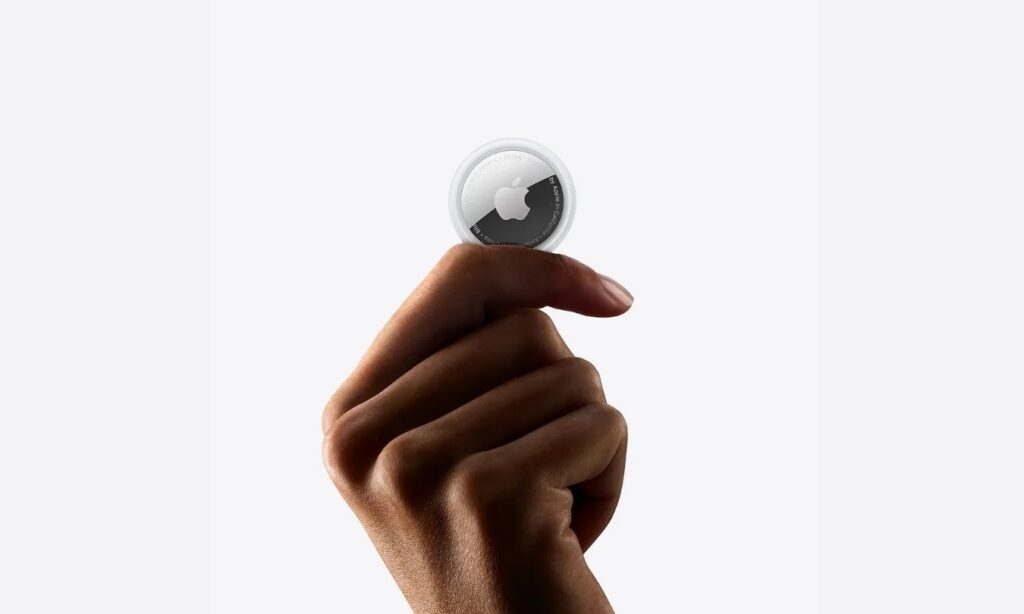
According to details shared by The Information, the rumored device is roughly the size of an AirTag and shaped like a slim circular disc. Despite its small footprint, it is said to include a surprisingly advanced set of components, including multiple cameras, microphones, and a built-in speaker, all housed in a thin aluminum and glass body. If the project makes it to market, it would likely rely on Apple’s next-generation Siri experience, expected to arrive alongside iOS 27 as the company continues its push toward more capable AI features.
At this stage, the wearable is reportedly still in early development. Engineers are said to be testing concepts, while executives evaluate whether the product makes sense commercially. Sources familiar with the effort claim Apple is targeting a potential 2027 launch, although the timeline could easily shift or be scrapped altogether depending on technical progress and market conditions. A release would place Apple in direct competition with other companies experimenting with AI-first wearables, including efforts emerging from OpenAI and other players in the space.
What the AI pin could look like
The device itself is described as a flat, circular piece that is only slightly thicker than an AirTag. On the front, two cameras are expected, one standard lens and one wide-angle lens, enabling the pin to capture photos and video from the wearer’s perspective. Along the edges, three microphones would handle voice input and ambient audio, while an integrated speaker could deliver spoken responses, alerts, or translations.
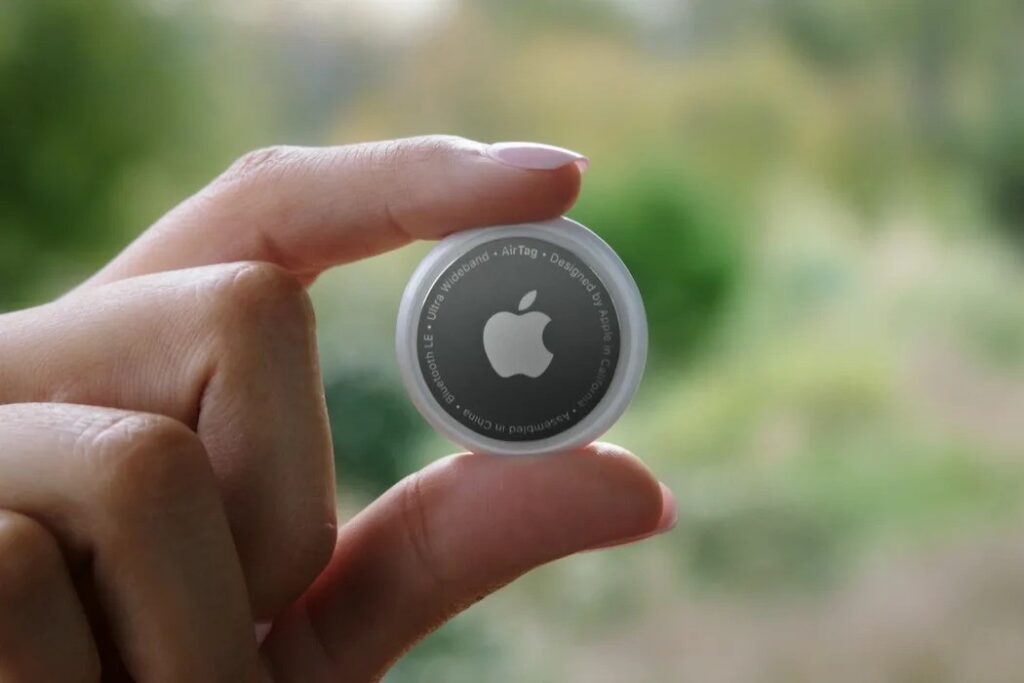
A physical button is also part of the reported design, giving users a tactile way to trigger actions without relying entirely on voice commands. On the back, the pin may feature a magnetic inductive charging system similar to the one used by the Apple Watch, allowing for simple snap-on charging without exposed ports.
These hardware choices point toward a device built for contextual awareness rather than passive tracking. With cameras and microphones working together, the AI pin could understand what the user is seeing and hearing in real time, opening the door to hands-free assistance, live translation, visual recognition, or quick information retrieval without pulling out a phone.
Its small size also suggests Apple wants to clearly separate this product from existing wearables like the Apple Watch. Instead of living on the wrist, the pin could attach to clothing, jackets, or bags, offering a more subtle and flexible way to interact with AI throughout the day.
Apple’s broader AI strategy
While Apple has not publicly acknowledged the AI pin, the project aligns with the company’s broader efforts to overhaul Siri into a more conversational and capable AI system. Apple has already confirmed deeper integration with large language models, including partnerships that bring Google’s Gemini technology into parts of its software stack across iPhone, iPad, and Mac.
This shift reflects Apple’s recognition that AI assistants are becoming central to how users interact with devices. A dedicated AI wearable could act as an always-available interface, reducing reliance on screens while keeping users connected to Apple’s services.
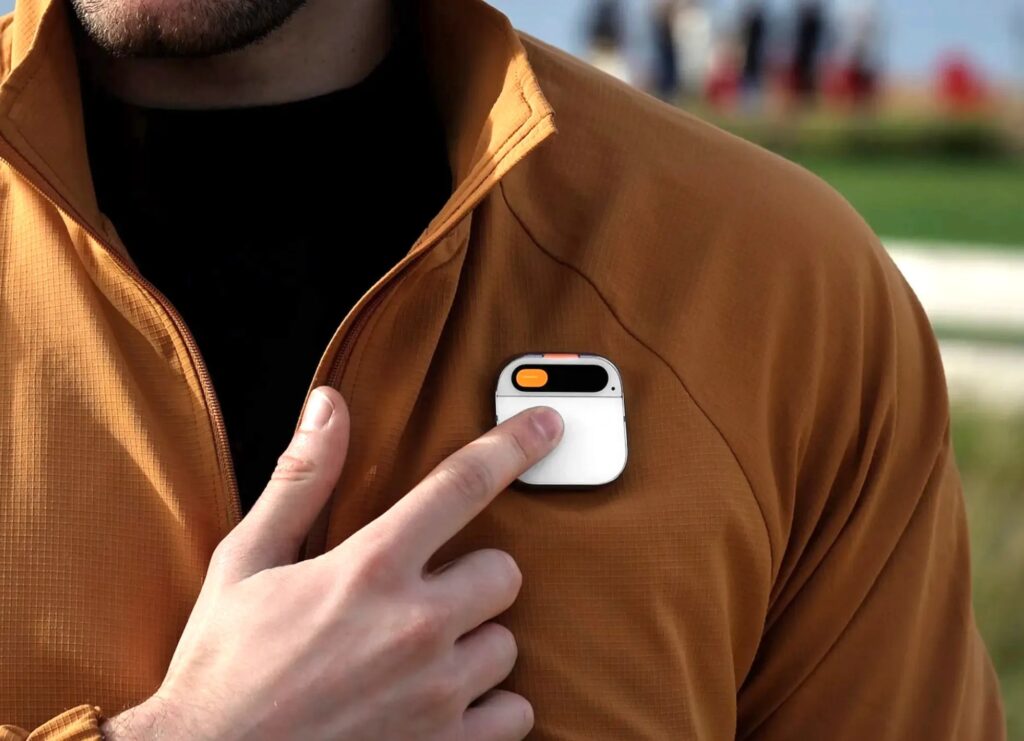
That said, Apple faces real challenges in convincing consumers that an AI pin offers value beyond what smartphones and smartwatches already provide. Previous attempts in this category have struggled. Humane’s AI Pin, for example, generated early excitement but ultimately faltered due to performance issues, limited battery life, and unclear everyday use cases, leading to the company winding down the product. Motorola has also showcased similar concepts recently, but widespread adoption remains uncertain.
Apple’s history shows that even high-profile projects are not guaranteed to ship. The company famously canceled products like the AirPower charging mat and eventually abandoned its long-running car initiative. As a result, the rumored AI pin remains very much a concept until Apple decides it is ready for an official announcement.
For now, the idea offers an intriguing glimpse into how Apple might envision the future of wearables, one where AI becomes less about tapping screens and more about seamless, ambient assistance woven into daily life.