LG is preparing to step into the spotlight at CES 2026 with a bold new vision for home automation, and it centers on a robot designed to do far more than vacuum floors or respond to voice commands. The company has announced plans to showcase LG CLOiD, a multi-functional home assistant robot that reflects its broader push toward what it calls a Zero Labor Home. The idea is simple but ambitious: reduce the daily effort required to run a household by letting intelligent machines handle routine tasks in the background.
According to LG, CLOiD is not meant to be a novelty device or a single-purpose helper. Instead, it is positioned as a central hub for managing different aspects of home life, from physical chores to smart home coordination. The robot is scheduled to make its public debut at CES 2026 in Las Vegas, signaling that LG sees this technology as close to real-world readiness rather than a distant concept.
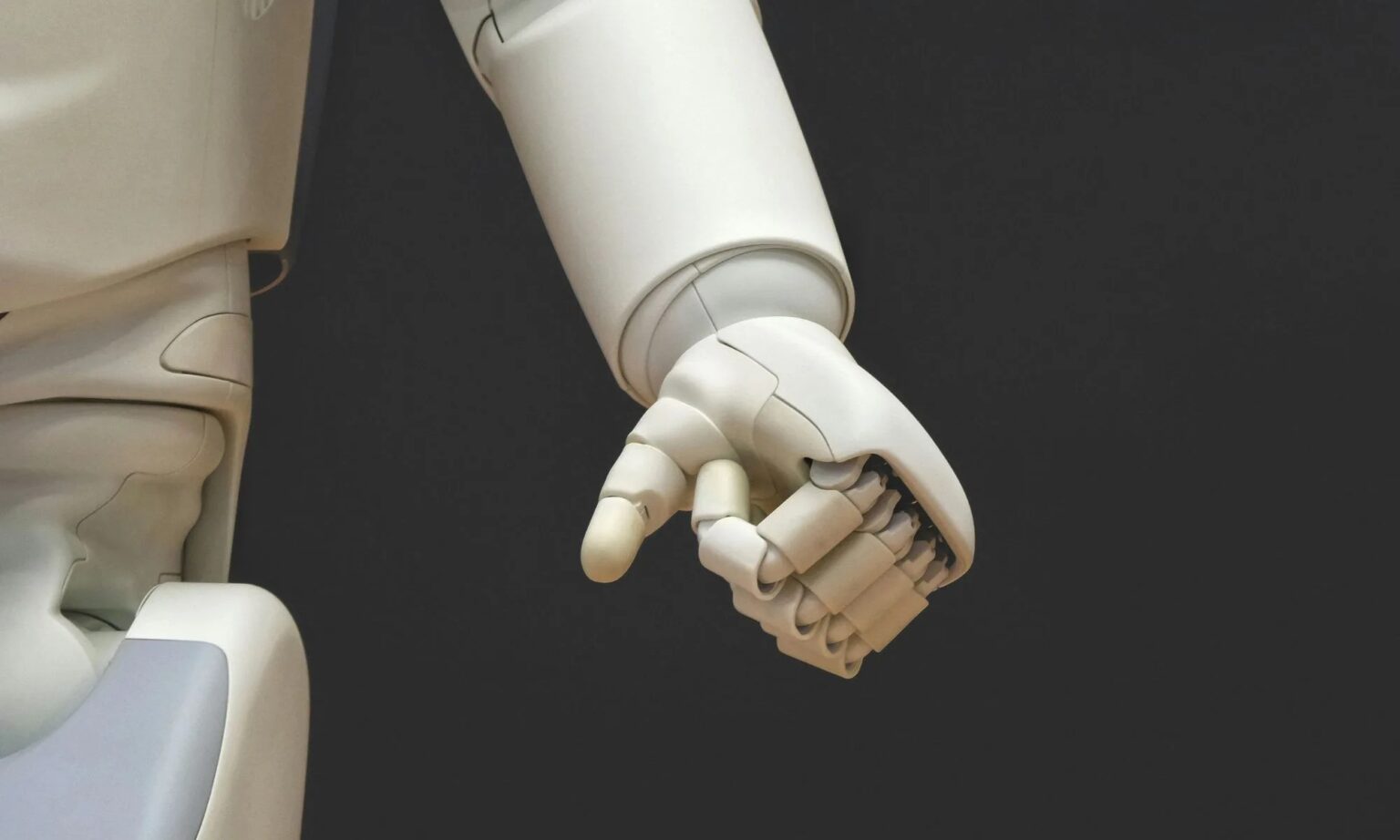
Unlike the familiar disc-shaped robot vacuums or rigid service robots commonly seen today, CLOiD features a humanoid-inspired design with two fully articulated arms. Each arm includes seven degrees of freedom, allowing movements that closely resemble the range and flexibility of a human arm. At the end of each arm are five independently moving fingers, giving the robot the fine motor control needed to handle objects like dishes, towels, or household tools. These are the kinds of tasks that have traditionally been difficult for robots due to the need for precision and adaptability.
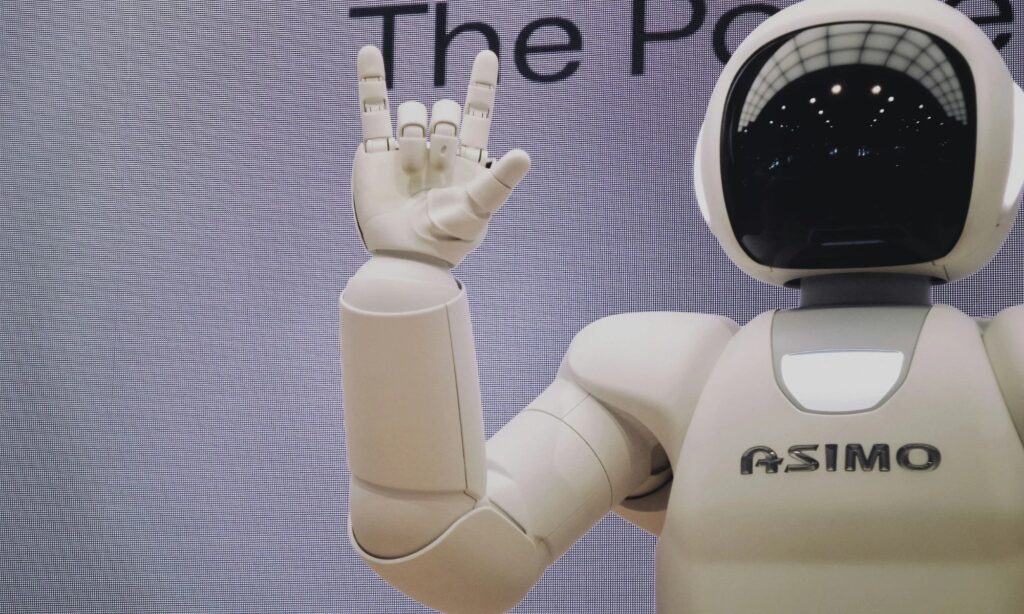
The robot’s form is not just about mechanics. LG has equipped CLOiD with a head unit that houses its primary computing hardware, along with a display, camera, speakers, and various sensors. This setup enables the robot to communicate using facial expressions, voice responses, and visual cues, making interactions feel more natural and less like issuing commands to a machine. Sensors help CLOiD navigate around furniture, avoid obstacles, and understand its surroundings in real time.
At the core of CLOiD’s capabilities is an AI system LG refers to as Affectionate Intelligence. Rather than operating on fixed rules alone, this platform allows the robot to learn from daily routines and user behavior. Over time, CLOiD can adjust how it responds, anticipate needs, and tailor its assistance based on individual household habits. The goal is to create a personalized experience that improves the longer the robot is part of the home.
This adaptive approach sets CLOiD apart from many existing smart home devices, which typically rely on predefined commands or limited automation scripts. By continuously learning, the robot aims to act more like a proactive assistant than a reactive tool. LG suggests that this could lead to smoother coordination with other connected devices, such as lighting systems, appliances, and climate controls, all managed through a single intelligent presence.
LG’s commitment to robotics goes beyond a single product announcement. The company has established a dedicated HS Robotics Lab to focus on developing in-house technologies and accelerating innovation in this space. It has also partnered with leading robotics firms in South Korea and internationally to strengthen its expertise and ensure that CLOiD evolves into a practical consumer product rather than remaining an experimental prototype. More details about LG’s broader robotics strategy can be found on the company’s official innovation page.
While LG has not yet disclosed pricing details or an exact release timeline, bringing CLOiD to CES suggests the company is moving closer to commercialization. Industry observers expect future updates to reveal more about specific use cases, supported tasks, and how the robot will integrate with existing smart home ecosystems. As interest in home robotics continues to grow, LG appears determined to position itself at the center of that shift.
For consumers, CLOiD represents a glimpse into a future where intelligent machines quietly handle everyday responsibilities, freeing up time and mental energy. Whether it is loading a dishwasher, managing connected devices, or learning daily routines, LG’s upcoming robot points toward a more automated and responsive home environment that feels increasingly within reach.