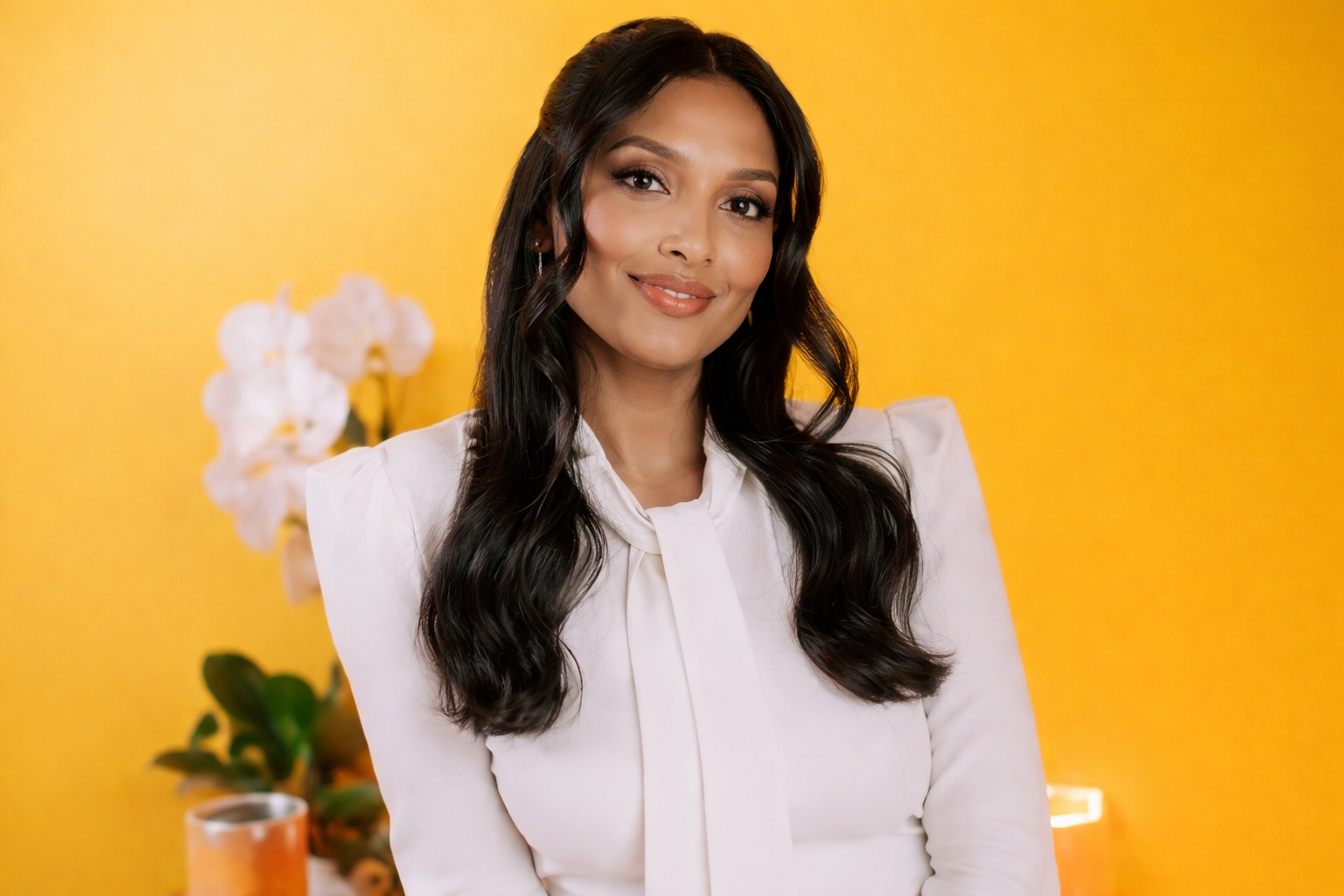
Deepica Mutyala did not build Live Tinted by starting with a product and then searching for an audience. She did it the other way around. She built trust first, paid attention to what people were actually struggling with, and turned that insight into a beauty brand that felt personal from the start.
That is what makes her story stand out.
In a crowded beauty market, plenty of brands talk about inclusivity. Far fewer are built from real conversations with people who have spent years feeling overlooked. Live Tinted grew because it was rooted in those conversations long before it became a full product line. The brand was shaped by questions around representation, colorism, hyperpigmentation, dark circles, and the everyday frustration of trying to find beauty products that actually worked for a wide range of skin tones.
The result was not just another makeup company. It became a modern beauty brand with a clearer point of view, a stronger emotional connection, and a community that felt like it had a seat at the table.
Who Is Deepica Mutyala and Why Her Story Connected So Quickly
Before Live Tinted became a recognized beauty brand, Deepica Mutyala became known for a viral 2015 video that showed people how to use red lipstick to color correct dark under eye circles. On the surface, it looked like a clever beauty tip. But the reason it hit so hard went deeper than that.
For many viewers, especially women with deeper or underrepresented skin tones, the video felt like proof that someone finally understood a problem the beauty industry had not taken seriously enough. It was not just about makeup technique. It was about being seen.
That early moment gave Deepica something more valuable than attention. It gave her insight into what people were missing from mainstream beauty. She saw how many consumers were hungry for advice, language, and products that reflected their real experiences. Instead of letting that moment fade, she turned it into the foundation of something bigger.
Why Live Tinted Started as a Community Before It Became a Brand
One of the smartest things Deepica Mutyala did was resist the urge to rush into product launches. Live Tinted first took shape as a community centered on beauty, culture, identity, and representation. That decision mattered because it gave the brand a real voice before it ever had inventory.
This community-first start changed everything.
It meant the brand was not guessing what people wanted. It was listening. It was watching what conversations kept coming up. It was paying attention to what people complained about, what they could not find, and what they wished beauty brands would stop ignoring.
That approach created trust early. People did not feel like they were being marketed to by a company that had suddenly discovered inclusivity as a trend. They felt like they were part of a space that already understood them.
A lot of startups try to manufacture loyalty after a launch. Live Tinted built loyalty before the launch even happened.
The Gap in Beauty That Deepica Mutyala Refused to Ignore
The beauty industry has gotten better at talking about diversity, but for a long time the gap between marketing and real product development was obvious. Many consumers with medium, tan, olive, brown, and deeper skin tones were expected to work around problems instead of having those problems solved.
That showed up in different ways.
Products for hyperpigmentation and dark circles were often not designed with deeper complexions in mind. Sunscreen frequently left a white cast. Shade conversations often focused on surface-level range without addressing whether formulas were actually usable across skin tones. The deeper issue was not only a lack of shades. It was a lack of understanding.
Deepica Mutyala built Live Tinted around that gap. She was not trying to create broad, vague beauty products for everyone in theory. She was trying to create thoughtful products for people whose needs had been pushed to the side for too long.
That clarity gave the brand its edge. Live Tinted was not simply selling beauty. It was solving overlooked beauty problems.
How Listening to the Audience Shaped Live Tinted’s First Product
When Live Tinted launched Huestick in 2019, it did not feel random. It felt earned.
That is because the product came out of years of community insight. The conversations around color correction, uneven skin tone, and real-world usability had already been happening. By the time the product arrived, it made sense to the audience.
That is what happens when a founder listens before building.
Huestick was designed as a multitasking product that could work across eyes, lips, and cheeks, but what really made it stand out was its connection to a problem many people already knew Deepica cared about. It directly tied back to color correcting concerns like dark circles and hyperpigmentation. In other words, the first product was not just attractive branding. It was a clear response to a known need.
That kind of product launch does more than drive curiosity. It makes customers feel understood.
Why Huestick Was the Right First Product
There is a reason Huestick became such an important part of the Live Tinted story.
It reflected the brand’s core philosophy in one product. It was practical, easy to understand, and directly connected to concerns that traditional beauty brands often treated as an afterthought. Instead of starting with a crowded category where the brand would have to fight for attention, Deepica Mutyala chose a product that felt specific and useful.
That focus helped Live Tinted stand out.
The beauty world is full of launches that look impressive but do not really say much. Huestick said a lot. It told customers that this brand understood correction as well as color. It understood that beauty routines are often shaped by skin concerns, not just trends. And it understood that people wanted products that could do more than sit prettily on a shelf.
The product’s success also proved that community feedback was not a soft brand value. It was a serious business advantage.
Building Trust Through Representation Instead of Marketing Hype
A big part of Live Tinted’s growth came from how the brand approached representation.
For some companies, representation shows up only in campaign imagery. For Deepica Mutyala, it was built into the way the brand talked, the problems it prioritized, and the customers it centered. That difference matters.
People can tell when a brand is borrowing the language of inclusivity without changing anything meaningful underneath it. They can also tell when a founder is speaking from lived experience and using that experience to build something more thoughtful.
That is one reason Live Tinted earned such strong loyalty. The brand was not relying on marketing hype alone. It was building trust through relatability, cultural awareness, and product choices that felt consistent with its mission.
This trust also helped the brand create a deeper emotional connection. Customers were not only buying a makeup or skincare item. They were buying into a brand that made them feel noticed.
How Live Tinted Expanded Beyond One Product Without Losing Its Core Identity
A lot of founder-led brands struggle after their first breakout hit. They either stay too narrow or expand so quickly that the original vision gets blurry. Live Tinted managed that next phase more carefully.
After Huestick, the brand moved into other categories while keeping the same problem-solving mindset. It continued focusing on products that addressed real consumer frustrations rather than chasing every possible trend. That made the expansion feel coherent.
Products like Hueguard extended the same mission into sun protection, especially for people who wanted effective SPF without the dreaded white cast. Superhue pushed further into skincare by addressing the long-term concern of uneven tone and post-acne marks. The broader line still felt like Live Tinted because it stayed connected to the same audience needs that shaped the brand in the first place.
That kind of expansion matters for long-term growth. It shows a brand is not trapped by one hero product, but it also knows how to grow without losing its identity.
From Community Favorite to Retail Growth
Another important chapter in the Live Tinted story is retail.
Getting onto major shelves matters because it changes who can discover a brand and how often they interact with it. For a beauty company, retail expansion is not just about sales volume. It is about legitimacy, convenience, and visibility.
Live Tinted moved from being known online and through community buzz to becoming more widely available through major beauty retailers such as Ulta Beauty, with expansion into Sephora Canada helping widen its reach. That step gave the brand a chance to meet shoppers where they already were while introducing new customers to its point of view.
Retail can be risky for mission-driven brands because broader visibility sometimes weakens what made them feel special in the first place. But in Live Tinted’s case, retail worked because the brand already had a strong identity before it scaled. The audience knew what it stood for.
The Role of Funding and Scale in Live Tinted’s Growth Story
Community gave Live Tinted its foundation, but growth at a larger level still required capital, infrastructure, and a sharper operating strategy.
As the company matured, it raised outside funding that helped support product innovation, team growth, and category expansion. That step is important in founder stories because it shows the move from a promising brand to a more durable business.
Funding did not create the brand’s relevance. The community had already done that. But investment gave Live Tinted more room to scale what was already working.
That distinction is worth paying attention to. Some brands raise money first and hope to discover product-market fit later. Deepica Mutyala built strong signals of demand before leaning further into scale. That made the business story more compelling and probably more resilient too.
What Made Deepica Mutyala’s Community First Approach Different
The phrase community-first gets used so often that it can start to sound empty. In the case of Deepica Mutyala and Live Tinted, it meant something practical.
It meant community was not a decorative layer added on top of the brand. It shaped the brand voice. It influenced product design. It guided which problems deserved attention. It made the audience feel like participants instead of targets.
That approach also helped the brand avoid a common mistake. Many companies assume they can build emotional connection through content alone. Live Tinted showed that emotional connection becomes much stronger when the product itself reflects what the audience has been saying all along.
In that sense, community-first thinking was not just about brand warmth. It was about strategic clarity.
Lessons Entrepreneurs Can Learn From Deepica Mutyala and Live Tinted
There are a few reasons this founder story keeps resonating beyond the beauty industry.
First, Deepica Mutyala proved that a strong brand can begin with a conversation, not just a product idea. When people feel overlooked, the brand that listens closely already has an advantage.
Second, she showed that representation is not only a branding message. It can also be a product development strategy. When founders understand a real customer pain point at a deeper level, they can create products that feel more relevant right away.
Third, Live Tinted is a good example of how modern brands can grow without sounding generic. The company expanded into new categories, raised funding, and entered major retail spaces, but it kept returning to the same core idea. Make beauty that sees people more clearly.
That consistency is a big part of why the brand has stayed memorable.
For entrepreneurs, the bigger lesson is simple. Building a loyal audience is easier when people feel heard before you ask them to buy anything. That does not mean community replaces execution. It means community gives execution a much smarter starting point.